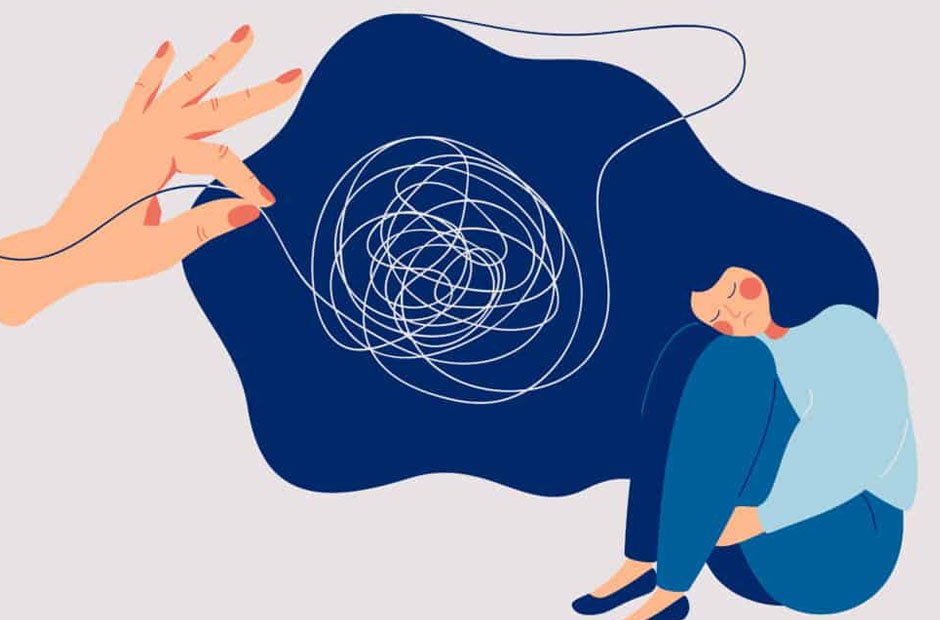
Depression affects millions of people worldwide, and while traditional treatments like antidepressants and talk therapy work for many, a significant number struggle with treatment resistant depression. For these people, new approaches are providing hope and demonstrating the potential to improve quality of life in ways that conventional methods sometimes can’t.
Ketamine Therapy: Rapid Relief for Severe Depression
Ketamine has emerged as a breakthrough for individuals whose depression doesn’t respond to standard medications. Unlike traditional antidepressants, which target serotonin or norepinephrine, ketamine works on the brain’s glutamate system. This mechanism enhances neural plasticity, allowing the brain to rewire negative thought patterns more effectively.
One of the most notable benefits of ketamine therapy is its speed. Many patients experience symptom relief within hours or days, compared to the weeks typically required for conventional medications. Due to its specialized administration, patients often receive treatment at a ketamine clinic for depression, where trained medical professionals carefully monitor the process to ensure safety and effectiveness.
Psychedelic Assisted Therapy: Reframing Thought Patterns
Psychedelic assisted therapy is another emerging option for treatment-resistant depression. Substances like psilocybin, when paired with structured psychotherapy, have shown promise in helping patients confront and reframe negative thought patterns. Early research indicates that this approach may lead to long-lasting improvements in mood and emotional resilience.
Although still under clinical investigation and not yet widely available, psychedelic therapy represents a paradigm shift. It emphasizes psychological insight and emotional processing as much as neurochemical changes, offering a holistic complement to traditional treatments.
Neuromodulation Techniques: Targeting the Brain Directly
For patients who don’t respond to medications, neuromodulation techniques are providing non-drug-based alternatives.
- Transcranial Magnetic Stimulation (TMS): TMS uses magnetic pulses to stimulate specific brain regions associated with mood regulation. It’s non-invasive and performed without anesthesia, making it a viable alternative for those who wish to avoid medication side effects.
- Electroconvulsive Therapy (ECT): Modern ECT is safer and more precise than early forms, remaining one of the most effective interventions for severe, treatment resistant depression.
Both TMS and ECT exemplify how direct modulation of brain activity can produce significant improvements when other treatments fail.
Personalized and Integrative Approaches
Recent advances in genetics, neuroimaging, and digital health tools are helping clinicians tailor treatments to individual patients. Personalized care plans consider not only biological factors but also lifestyle elements such as sleep, nutrition, exercise, and stress management.
Digital tools, including mood tracking apps and online therapy platforms, are complementing traditional care by providing continuous support and cognitive behavioral interventions outside the clinic. While not a replacement for in person care, these technologies improve access and continuity, especially for patients in underserved areas.
Rounding Things Up
For those living with treatment resistant depression, new approaches are providing renewed hope. From rapid acting ketamine therapy to psychedelic assisted treatment, neuromodulation techniques, and personalized care strategies, the landscape of depression treatment is evolving. These advances offer not only scientific innovation but also the promise of meaningful relief and improved quality of life for people who have struggled for years with limited options.