Sacramento homes can feel perfectly comfortable in one room and frustratingly uneven in the next. Intense summer sun, older construction details, additions, and changing household routines all affect how heating and cooling move through a home. The best solution is not always replacing the entire central system. Often, it starts with identifying exactly where and when comfort breaks down.
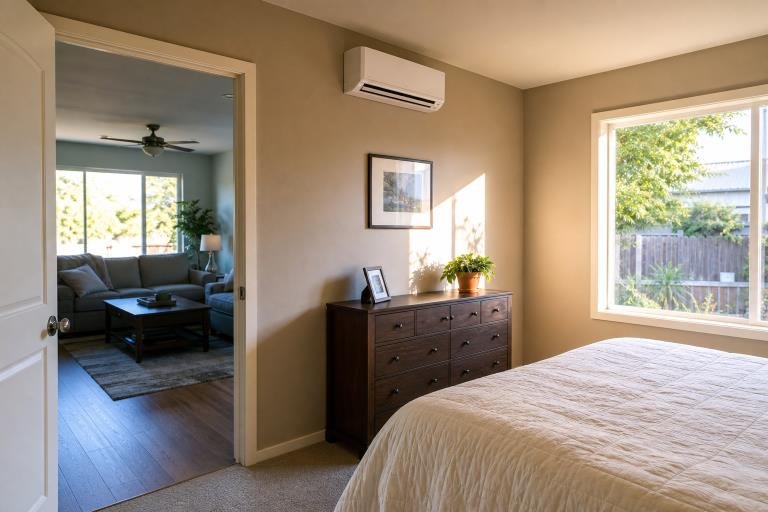
For targeted spaces that are difficult to connect to ductwork, mini split installation can be a practical option. Elite Mechanical Systems serves Sacramento, Placer, Truckee, and Yolo County with residential and commercial HVAC work. Its service page explains the details that matter for ductless projects, including system sizing, zone planning, indoor and outdoor unit placement, testing, and final setup, all of which are important for dependable room-by-room comfort.
Why Sacramento Homes Often Have Uneven Temperatures
Uneven temperatures usually come from a combination of heat gain, airflow, and home design. A west-facing bedroom may become uncomfortable every afternoon because sunlight warms the glass, walls, and roof above it long before the rest of the home feels hot. Upstairs rooms can trap heat, while shaded rooms or rooms with limited airflow may stay cooler than expected.
Older homes may have insulation gaps, leaky doors, aging windows, or ducts that were not designed for later additions. Converted garages, enclosed patios, and detached offices can be especially challenging because they may not be connected to the original heating and cooling system. Sacramento’s long cooling season can also expose weaknesses in central HVAC equipment that seemed manageable during milder weather.
Start With a Room-by-Room Comfort Check
Before selecting equipment, track the problem. A simple comfort check can help distinguish an HVAC issue from a building-envelope issue.
- Write down which rooms feel too warm, too cool, stuffy, or humid.
- Note the time of day and outside conditions when the issue is most noticeable.
- Check for weak airflow, closed registers, blocked vents, and dirty filters.
- Inspect windows, exterior doors, attic access points, and exterior walls for obvious heat gain or air leaks.
- Pay attention to whether the central system runs for long periods without reaching the thermostat setting.
This process provides useful details for an HVAC professional and may prevent spending money on equipment when shading, sealing, duct repair, or insulation would address part of the problem.
Match the Heating and Cooling Method to the Space
Central HVAC remains a strong choice when a home has well-designed ductwork and fairly even comfort throughout. It can serve the entire house from one system, although poorly balanced ducts or far-away rooms can still create hot and cold spots.
Ductless systems are useful when a particular room needs independent control or when extending ducts would require major remodeling. Heat pumps can provide both cooling and heating from one system, making them a year-round option. In many homes, the best answer is a combination of building improvements and equipment that suits the specific room rather than a one-size-fits-all replacement.
Where Ductless Heating and Cooling Can Make Sense
Ductless equipment can be worth considering for detached rooms, home offices, finished garages, workshops, new additions, converted spaces, and older Sacramento homes with limited room for new ductwork. It can also help when a bedroom needs a different temperature than the main living area or when a small commercial space has separate operating hours and comfort needs.
A single-zone setup serves one space, while a multi-zone system can serve several rooms with separate indoor units. The right arrangement depends on the layout, insulation, electrical capacity, usage patterns, and how independently each room needs to be controlled.
Why Proper Sizing Matters More Than Buying the Biggest Unit
Equipment capacity should reflect more than square footage. Windows, ceiling height, insulation, room orientation, occupancy, appliances, and Sacramento’s climate all affect the load. An oversized system can cycle on and off too frequently, while an undersized system may run continuously during a heat wave without delivering enough comfort.
Either problem can affect operating costs, temperature consistency, and equipment life. A professional load review is more useful than choosing a unit based only on room dimensions or a neighbor’s system size.
Consider Sacramento’s 2026 Energy and Rebate Landscape
California’s 2025 Building Energy Efficiency Standards took effect on January 1, 2026. They apply to new construction and applicable additions and alterations, with an emphasis on efficient equipment, improved controls, building performance, and heat-pump technologies.
In the Sacramento area, incentives may also affect the timing and scope of an upgrade. SMUD has announced 2026 rebates of up to $3,000 for qualifying gas-to-electric heat-pump HVAC conversions and $1,000 for eligible electric-to-electric heat-pump HVAC upgrades. Rules, qualifying equipment, contractor requirements, and available funding can change, so verify current details through SMUD’s heat-pump rebate announcement before signing a contract.
Improve the Home Before Upgrading the Equipment
Heating and cooling equipment work best when the home can hold conditioned air. Replace clogged filters, keep furniture away from registers and indoor units, and seal visible gaps around windows and doors. Add insulation where practical, especially near attic areas or rooms under a hot roof. Exterior shading, awnings, blinds, and solar screens can reduce afternoon heat gain in sun-exposed rooms.
It is also worth asking whether duct leakage, disconnected ducts, or poor return-air design contribute to uneven temperatures. Correcting those issues can improve an existing system and make a future upgrade easier to size accurately.
Questions to Ask Before Hiring an HVAC Professional
- How will the system size be determined?
- Does the estimate include permits, electrical work, drainage, and refrigerant connections?
- Where will indoor and outdoor units be placed?
- How will airflow, noise, and appearance be addressed?
- What maintenance does the system require?
- Which current incentives may apply?
- What equipment and workmanship warranties are included?
- How will the completed system be tested?
Common Sacramento Homeowner Questions
Can One System Heat and Cool More Than One Room?
Yes. Multi-zone systems can serve several rooms, while single-zone systems serve one area. The right choice depends on the layout, insulation, and desired level of temperature control.
Are Ductless Systems Only for Older Homes?
No. They can also work well in new additions, garages, offices, workshops, and rooms with unique comfort needs.
Does a Heat Pump Work During Sacramento Winters?
Heat pumps provide both heating and cooling, but they should be selected and sized for the home’s design conditions and expected winter temperatures.
How Often Should the System Be Maintained?
Follow the manufacturer’s schedule and check filters more often during heavy summer use, wildfire smoke events, dusty conditions, or nearby construction.
A Practical 2026 Comfort Plan for Sacramento Homes
- Identify the rooms with the biggest comfort problems.
- Check filters, vents, windows, insulation, shading, and ducts.
- Compare repairs, home improvements, and equipment options.
- Review applicable rebates before committing to a project.
- Request detailed estimates and confirm sizing, placement, permits, testing, warranties, and maintenance.
Better Sacramento home comfort does not always require a full HVAC replacement. A careful room-by-room review can reveal a smaller, more practical solution. When new equipment is needed, thoughtful sizing, placement, and preparation can help create steadier comfort through summer heat and winter cool spells.