Key Takeaways
- Seasonal maintenance helps reduce the food, water, and shelter pests look for around St. Louis homes.
- Sealing gaps, controlling moisture, and keeping outdoor areas tidy are useful prevention habits in every season.
- Standing water, overgrown vegetation, and clutter can create favorable conditions for common pests.
- Repeated activity, visible damage, or unexplained odors may indicate that a closer inspection is needed.
St. Louis homeowners experience changing weather throughout the year, from humid summers and heavy rain to cool winters that send pests looking for protected indoor spaces. A practical prevention routine adapts to those changes instead of relying on a single cleanup or treatment.
For households that need help identifying persistent activity or building a service plan, Pointe Pest Control provides local pest control support for St. Louis homes. Whether the concern is insects near the foundation, rodents in a garage, or mosquitoes in the yard, prevention begins with understanding what attracts pests in the first place.
Why Seasonal Pest Prevention Matters in St. Louis
Pests need basic resources: food, water, shelter, and a way inside. Rain can leave damp areas near foundations and gutters. Summer heat can increase outdoor insect activity. When temperatures fall, small cracks around pipes, doors, vents, and utility lines can become entry points for pests seeking warmer conditions.
A clean kitchen is important, but indoor cleanliness alone cannot prevent every problem. Landscaping that touches siding, firewood stacked against the house, damaged screens, loose weatherstripping, and plumbing leaks can all make a property more inviting. Regular attention is usually less disruptive than waiting until pests are established in hidden areas.
Winter: Check Warm, Hidden Areas
Winter is a useful time to inspect parts of the home that receive less attention. Check basements, crawl spaces, attics, garages, utility rooms, and storage areas for droppings, nesting material, chewed cardboard, damaged food packaging, shed insect skins, or unusual odors.
- Seal openings around pipes, vents, foundation joints, windows, and exterior doors.
- Replace worn door sweeps and repair screens or vent covers that have gaps.
- Store pantry foods in durable, sealed containers rather than thin bags or open boxes.
- Keep firewood raised off the ground and away from exterior walls.
- Reduce storage clutter so signs of activity are easier to notice.
Spring: Remove Moisture and Outdoor Shelter
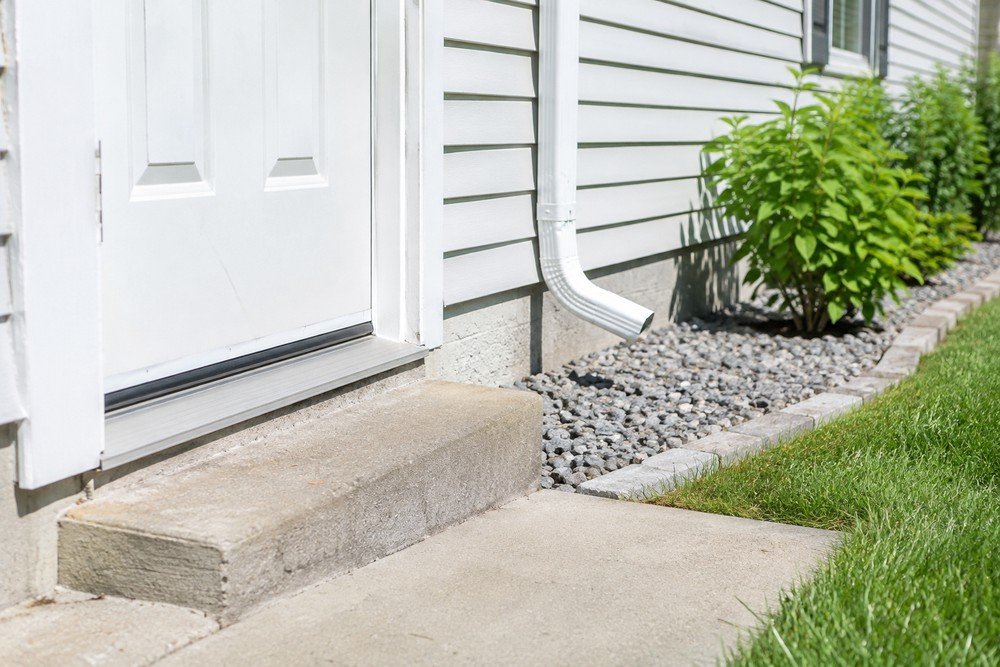
Spring rain and new plant growth make moisture management especially important. Clean gutters, ensure downspouts direct water away from the foundation, and repair any dripping faucets or plumbing leaks. Clear wet leaves, thick mulch buildup, and decaying debris that collect close to the house.
A candid documentary-style photo of a St. Louis homeowner inspecting a damp area near the foundation after spring rain, with wet leaves, a gutter downspout, and overgrown shrubs visible in natural overcast light.
Trim shrubs, vines, and tree branches back from walls, windows, and rooflines. This creates a clearer inspection path and reduces the number of sheltered routes to the structure. St. Louis-area residents should also remember that tick activity can occur outside peak summer months. Warm, humid days can support tick activity, so protective clothing, repellents used as directed, and tick checks remain worthwhile during outdoor work.
Summer: Control Water, Food, and Outdoor Exposure
Summer is the time to focus on standing water and outdoor food sources. Walk the property after rain and empty water from buckets, toys, flowerpot saucers, tarps, wheelbarrows, and other containers. Change the birdbath water regularly, keep outdoor pet areas clean, and ensure trash and recycling bins have secure lids.
- Clean spills promptly on patios, decks, grills, and outdoor eating areas.
- Inspect sheds, play equipment, shaded landscaping, and woodpiles for signs of insect or rodent activity.
- Repair window and door screens before leaving them open for ventilation.
- Wear protective clothing and use an appropriate repellent according to its label when spending time in brushy, grassy, or wooded areas.
Removing water is one of the most direct mosquito prevention steps a homeowner can take. The City of St. Louis advises residents to drain standing water around the yard each week, especially from containers, gutters, and tarps that can hold rainwater.
Fall: Stop Pests Before They Move Indoors
Cooler weather can push insects and rodents toward sheltered indoor spaces. Before that seasonal shift, inspect exterior walls for cracks, loose siding, damaged screens, and gaps beneath doors. Keep fallen leaves from building up against the foundation, and move stored items away from the basement, garage, and attic walls so those areas can be inspected.
Check holiday decorations, boxes, stored furniture, and firewood before carrying them indoors. Pantry goods should remain sealed, and expired foods should be removed. These basic steps can limit hiding places and make fresh pest evidence easier to spot.
A Simple Monthly Prevention Checklist
- Walk around the exterior and look for new cracks, gaps, damaged screens, or drainage concerns.
- Check for standing water after rain and correct areas where water repeatedly collects.
- Inspect door sweeps, vents, pipe openings, and weatherstripping.
- Look for droppings, webbing, chew marks, insect trails, or piles of sawdust-like material.
- Clean pantry shelves, remove expired food, and seal dry goods.
- Trim vegetation that touches the home or blocks airflow near the foundation.
- Photograph unusual activity and note the date, location, and type of damage observed.
Common Warning Signs That Need Attention
One insect near an open door is not always a major concern. Patterns deserve more attention. Watch for repeated sightings in the same room, fresh holes in cardboard or wood, grease marks along walls, scratching sounds, persistent musty odors, damaged insulation, or pests that return after basic cleanup.
Stinging insects near entrances, rodents in living areas, repeated bites, or visible damage to wood, wiring, food, or stored belongings are also reasons to act promptly. If a pest cannot be identified, avoid guessing with multiple products. Correct identification helps determine the most appropriate next step.
How to Choose Safer Prevention Methods
Start with nonchemical measures whenever possible: sanitation, repairs, moisture control, sealing, and landscape maintenance. If a pesticide product is used, follow its label exactly, do not mix products, and do not apply more than directed. Keep products away from food, children, pets, and surfaces where they are not intended for use.
Targeted action is generally more useful than applying products throughout a home without a clear reason. An inspection can be valuable when activity keeps returning or when the source is hidden.
When a Professional Inspection Makes Sense
Consider a professional inspection when basic prevention steps have not reduced activity, when damage is visible, or when rodents, biting pests, or stinging insects are present. Professional help may also be appropriate for rental properties, shared buildings, food-service areas, or homes with residents who have particular health or safety concerns.
Frequently Asked Questions
What is the best month to start pest prevention?
Any month is a good time to begin. Winter inspections can reveal entry points and hidden nesting areas, while spring and summer maintenance helps manage moisture and outdoor pest pressure.
Does a clean home still need pest prevention?
Yes. Clean habits reduce available food, but pests may enter through cracks, vents, plumbing openings, packages, landscaping, and stored items.
How often should standing water be checked?
Check after rainfall and routinely during warm weather. Empty, cover, or remove containers that can collect water.
When should a homeowner stop using do-it-yourself products?
Reassess when the pest is unidentified, the issue recurs, damage is visible, or a product has not worked as directed on the label.
Conclusion
A seasonal pest prevention plan helps St. Louis homeowners stay alert to changing conditions throughout the year. By controlling moisture, protecting food, sealing entry points, maintaining the yard, and regularly checking hidden areas, households can make pest activity easier to identify and manage before it becomes a larger problem.