The Vulnerability of Tangible History: Why Physical Items Deteriorate
Our history, our triumphs, and our most cherished memories often reside in tangible objects. From academic awards proudly displayed in school halls to personal collections passed down through generations, these items are more than just possessions; they are vessels of stories, achievements, and identity.
However, time is a relentless force. Physical collectibles and achievements are inherently vulnerable to deterioration, loss, and space constraints. We understand the challenges organizations and individuals face in safeguarding these precious artifacts. Whether it’s the meticulous care required for preserving numismatic collectibles or the careful handling of delicate family heirlooms, dedicated effort is essential.
In this extensive guide, we will explore the critical issues surrounding the preservation of achievements and collectibles. We’ll delve into the unique threats to physical items, then pivot to modern solutions, particularly how digital preservation offers a powerful answer to many traditional problems. We will cover practical methodologies, best practices, and innovative ways to ensure these legacies remain vibrant and accessible for current and future generations.
Physical artifacts, no matter how robust they seem, are constantly at war with time and the environment. The very materials they are made from are susceptible to degradation, leading to a slow but inevitable decline. This natural process is accelerated by improper storage, environmental fluctuations, and neglect, posing significant challenges for anyone striving to maintain a collection or an institutional legacy.
Metal objects, such as trophies and coins, are prone to corrosion and tarnish when exposed to oxygen, moisture, and pollutants. Paper documents, photographs, and certificates yellow, become brittle, and fade due to light exposure and acidic content. Plastics, common in many modern awards and collectibles, can become brittle, discolored, and structurally unstable over time through chemical degradation. Wood components, often found in trophy bases or antique furniture, are susceptible to warping, cracking, and mold growth in fluctuating humidity. Even the adhesives holding items together will eventually fail, leading to structural instability.
To combat these pervasive threats, effective preservation strategies must address environmental controls, primarily through consistent climate control, and include proactive measures such as Integrated Pest Management (IPM). Without these, the stories embedded within these objects risk fading into obscurity.
Environmental Threats to Rare Coins and Paper Memorabilia
The delicate nature of rare coins and paper memorabilia demands specific environmental considerations. Ultraviolet (UV) light, even indirect sunlight or fluorescent lighting, is a primary culprit in fading inks, embrittling paper, and causing irreversible chemical changes in materials. Relative humidity (RH) is another critical factor; high humidity encourages mold growth and accelerates corrosion, while excessively low humidity can cause materials to become brittle and crack. Temperature fluctuations, especially rapid ones, stress materials, leading to expansion and contraction that can cause structural damage.
For those dedicated to preserving numismatic collectibles, understanding these environmental impacts is paramount. Expert resources offer invaluable guidance on proper handling and storage techniques. For paper items, acid-free sleeves and archival boxes act as crucial barriers against environmental contaminants and internal acidity. Similarly, anti-tarnish strips can be placed with silver coins to absorb airborne pollutants, significantly slowing the tarnishing process. By creating a stable, controlled environment, we can dramatically extend the lifespan of these irreplaceable historical artifacts.
The Degradation of Academic and Athletic Trophies
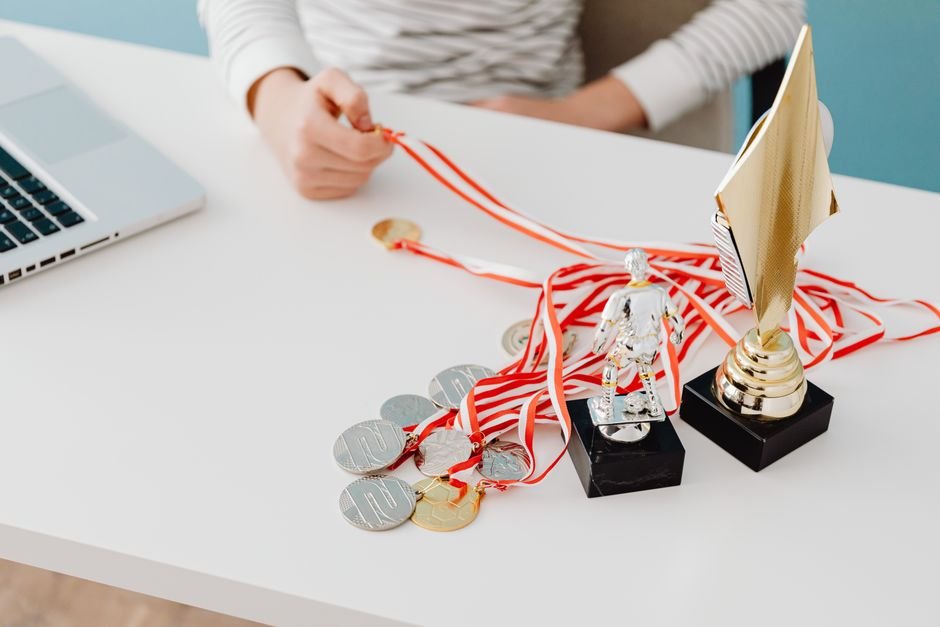
Schools and organizations face unique challenges in preserving their vast collections of academic and athletic trophies. These awards, often made from a combination of metals, plastics, and wood, are vulnerable to a range of deterioration processes. The plastics used in older trophies, particularly from the 1960s to 1980s, often undergo chemical degradation, leading to brittleness, discoloration, and eventual structural failure. Silver plating on trophies can tarnish, obscuring engravings, while brass components oxidize, losing their luster. Wooden bases can warp, crack, or even rot if exposed to moisture.
Beyond physical decay, schools face the loss of institutional knowledge. As staff members retire or move on, the stories behind specific achievements, the names of forgotten coaches, or the context of discontinued programs often disappear. This informal documentation is rarely transferred, leaving future generations with an impressive but often anonymous collection of hardware. The sheer volume of awards exacerbates this problem. A typical comprehensive high school athletic program, for instance, generates 30-50 trophies annually, accumulating 900-1,500 over 30 years. Traditional trophy cases, holding only 30-50 items, quickly become overwhelmed, forcing many awards into forgotten storage rooms, closets, or even maintenance areas. This “hidden trophy problem” means that a significant portion of an institution’s legacy remains unseen and unappreciated.
Modern Methodologies for Preserving Achievements and Collectibles
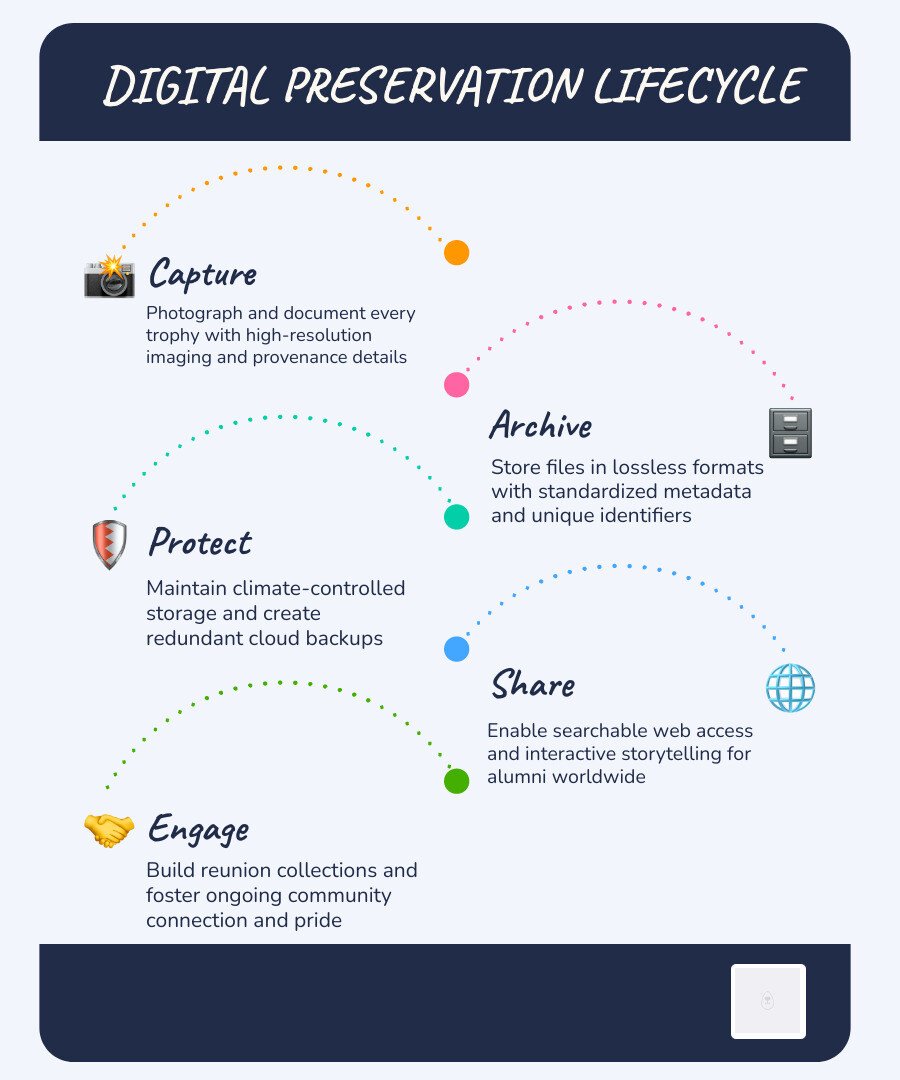
The digital age offers powerful new methodologies to address the inherent vulnerabilities of physical artifacts. Digital preservation is not merely about scanning an item; it’s a comprehensive approach that creates high-fidelity, accessible, and enduring records. We advocate a hybrid preservation model that combines selective physical care with robust digital archiving. This strategy ensures that while original items are protected, their essence and stories are made widely available and immune to physical decay.
At the core of effective digital preservation are meticulously defined metadata standards that ensure every piece of information about an artifact is consistently cataloged and easily retrievable. We utilize lossless formats for digital captures, guaranteeing the highest quality and fidelity to the original. Furthermore, implementing cloud redundancy means that digital assets are stored in multiple secure locations, safeguarding them against data loss and technological obsolescence. This multi-faceted approach transforms static objects into dynamic, searchable, and perpetually accessible records.
Systematic Inventory and Photography Standards
The first step in any robust digital preservation project is a systematic inventory coupled with professional photography. This process begins with a comprehensive audit of all physical items, often revealing 20-40% more trophies or collectibles than initially expected, including forgotten awards from discontinued programs. Each item should be assigned a unique identifier, creating a foundational record for all subsequent documentation.
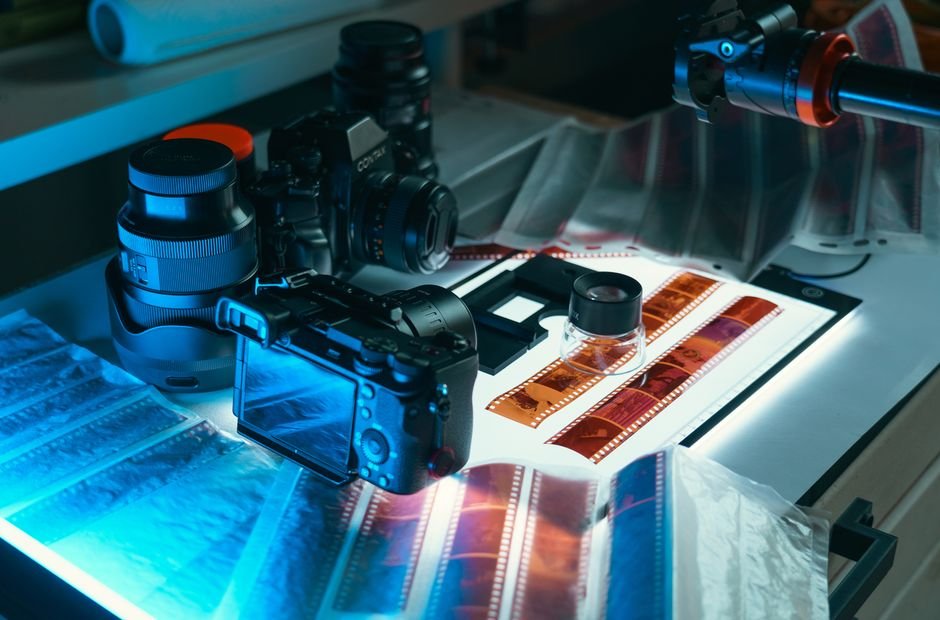
For photography, establishing rigorous standards is crucial. We recommend using a mCamera with a minimum resolution of 12 megapixels, or a professional DSLR, to capture intricate details. Diffused LED lighting, rather than direct flash, is essential to prevent glare on metallic surfaces and ensure even illumination. A neutral, consistent background (e.g., white or grey) helps isolate the object and maintain visual uniformity across the collection. Multiple angles, including full views, close-ups of engravings or unique features, and size reference images, should be captured. For collectors interested in specific series, such as Morgan silver dollars or Peace silver dollars, detailed photography can highlight mint marks, condition, and subtle design variations that are critical for identification and valuation. Visual examples of the detail required for numismatic documentation can guide this process. These high-quality images form the visual backbone of the digital archive, allowing for detailed examination without handling the physical item.
Documenting Provenance and Contextual Narratives
Beyond visual capture, the true value of digital preservation lies in documenting the rich stories and context surrounding each item. This involves creating detailed provenance notes that trace an item’s history, ownership, and journey. For family heirlooms, these notes might include “family recollection” details, carefully distinguishing between verified facts and anecdotal memories. We recommend adding source lines for each piece of information, noting who provided it and when, to build a reliable documentation chain.
For academic achievements, documenting the achievement context is vital. This includes not only the recipient’s name, date, and competition level but also broader narratives such as team rosters, coach names, season summaries, and even supplementary materials like yearbook clippings or newspaper articles. This level of detail transforms a simple record into a rich, multimedia storytelling experience. For institutions focused on preserving academic achievements, this digital cataloging ensures that students’ and teams’ hard-earned success is celebrated with the depth it deserves. Platforms offer insights into how academic milestones are recognized, emphasizing the importance of accurate and comprehensive documentation. This meticulous approach to data entry and contextual storytelling ensures that the emotional and historical significance of each collectible or achievement is preserved alongside its physical attributes.
Digital Transformation: Solving the Physical Constraints of Institutional Displays
Traditional physical displays, while beautiful, are inherently limited by space and static presentation. They quickly become overwhelmed by growing collections, forcing institutions to make difficult choices about what to display and what to store. Digital transformation offers a solution that overcomes these constraints and unlocks new possibilities for engagement and recognition.
The shift to digital enables unlimited recognition capacity, meaning every single achievement, no matter how old or obscure, can be showcased. This fosters equitable recognition across all programs, genders, and eras, moving beyond the “trophy case bias” that often favors only the most recent or prominent sports. By making achievements accessible to a wider audience, digital platforms significantly enhance alum engagement and community connection, transforming a passive display into an interactive historical archive.
The Mathematics of Trophy Accumulation
The challenge of physical trophy accumulation is a stark reality for many institutions. Consider the numbers:
Feature Traditional Physical Trophy Cases Digital Preservation Systems (July 2026) Capacity 30-50 items Unlimited (thousands, millions) Annual Trophy Gen. 20-40 new items 20-40 new items (easily integrated) 30-Year Accumulation 900-1,500 items 900-1,500+ items (all accessible) Display Space Required Expands with collection Minimal (kiosk, website) Storage Costs (10-yr) $17,000 – $37,000 $21,200 – $41,000 (with exponentially greater capability) Interaction Time 15-30 seconds 3-5 minutes (average) Accessibility On-site only Global, 24/7 web access Deterioration Risk High Minimal (digital copies) Discovery Rate Low (static, limited context) High (searchable, multimedia) This table clearly illustrates the mathematical impossibility of maintaining comprehensive physical displays. While traditional cases hold only a fraction of a school’s athletic history, digital systems can house and display every item. This means that every varsity sport, every individual award, and every team achievement can be celebrated, rather than being hidden away in storage. The initial cost of digital preservation might be comparable or slightly higher over a 10-year period, but the exponential increase in capability, accessibility, and engagement far outweighs this cost.
Interactive Features and Community Connection
Digital trophy collections are inherently more engaging than static physical cases. They transform a passive viewing experience into an interactive journey through history. Key interactive features include:
- Searchable Discovery:Visitors can search by athlete name, sport, year, coach, or achievement type, allowing for personalized exploration. This is a stark contrast to traditional cases where specific items are often hard to locate.
- Multimedia Storytelling:Digital displays can incorporate high-resolution photos, videos of games or ceremonies, audio clips of interviews, and detailed narratives. This rich content brings achievements to life in a way a physical trophy alone cannot.
- Remote Stakeholder Access:Web-based platforms mean alums, parents, and community members from anywhere in the world can access and explore the collection 24/7. This dramatically expands the reach of institutional pride. Schools implementing digital preservation report that alumni spend 5-10 minutes exploring digital displays, compared to 15-30 seconds in traditional cases.
- Personalized Collections:Alumni can create custom “reunion collections” highlighting achievements from their specific graduation years, fostering a deeper sense of connection and nostalgia.
- Student Section Pride:Current students can easily research past achievements, connecting them to a broader legacy and inspiring future success. This builds a powerful sense of student section pride and institutional continuity.
By leveraging these interactive capabilities, digital preservation doesn’t just store achievements; it actively celebrates them, making them relevant and accessible to current students, alums, and future generations.
Best Practices for Long-Term Preservation Projects
Implementing a successful preservation project, whether physical or digital, requires a strategic approach grounded in best practices. Our goal is to ensure that these efforts are sustainable, high-quality, and truly safeguard the legacy for the long term.
At the foundation of physical preservation lies the use of archival quality materials, such as acid-free boxes and folders. Environmental controls, such as silica gel packets, help regulate humidity in enclosed spaces. For displayed items, rotational display practices can limit light exposure and wear on sensitive pieces. Beyond the physical, successful projects require scheduled care routines, regular inspections, and, crucially, stakeholder engagement. Involving alum students, staff, and community members in the preservation process fosters ownership and ensures the collection’s relevance.
Handling and Storage Protocols for High-Value Items
For high-value or particularly delicate items, stringent handling and storage protocols are non-negotiable. When handling any collectible, we always recommend wearing lint-free gloves to prevent the transfer of oils and dirt from skin. Items should be held by their edges or non-embellished parts to minimize direct contact with surfaces.
Storage environments should maintain a uniform temperature and relative humidity to prevent material stress and degradation. For specific items like silver coins, anti-tarnish strips should be used in conjunction with inert, airtight holders. Integrated Pest Management (IPM) strategies, including non-toxic pest traps and regular environmental monitoring, are essential to protect against biological threats. We also advise preparing emergency salvage kits containing items such as gloves, masks, absorbent materials, and plastic sheeting to respond effectively to unforeseen events, such as water damage. For digital assets, implementing robust version control and cloud redundancy ensures that records are secure and recoverable.
Establishing a Sustainable Digitization Roadmap
A sustainable digitization project requires a clear roadmap that moves beyond initial enthusiasm to long-term commitment. We advocate for a phased implementation, starting with priority content (e.g., most valuable, most vulnerable, or most frequently requested items) to build momentum and demonstrate value.
Quality control is paramount throughout the process, from photography to data entry. This includes regular audits and adherence to established standards to ensure accuracy and consistency. Careful selection of the technology platform is another critical decision; choosing a scalable, user-friendly, and future-proof system is vital to avoid obsolescence. Planning for continuous enhancement means allocating resources for ongoing content addition, updates, and technological upgrades. Finally, fostering community collaboration – involving volunteers, alums, and local experts – can provide invaluable support and expertise, making the project more resilient and impactful.
Frequently Asked Questions about Preserving Achievements and Collectibles
How should I store high-value silver coins and paper certificates at home?
For high-value silver coins, store them in individual, inert holders (such as non-PVC flips or slabs from reputable grading services) within archival-quality, acid-free boxes. Include silica gel packets within the box to absorb excess moisture, and anti-tarnish strips for silver. Keep these boxes in a location with a stable, uniform temperature (ideally 65-75°F) and moderate relative humidity (40-50%). Avoid attics, basements, or garages where conditions fluctuate wildly.
For paper certificates and documents, use individual acid-free polyester sleeves or folders, then store them flat in archival-quality, acid-free boxes. Keep these boxes in a cool, dark, and dry interior closet, away from direct sunlight or fluorescent lights. If displaying, use UV-filtering glazing in frames to protect against light damage. Regular monitoring for any signs of mold or pests is also crucial.
What should schools do with physical trophies after implementing a digital display?
Most organizations adopt a hybrid approach. The digital display becomes the comprehensive, searchable archive, while a selective physical display maintains a curated collection of iconic or historically significant trophies. This allows for the best of both worlds: preserving the tactile presence of key achievements while making the entire legacy accessible.
For the vast majority of physical trophies, schools have several options:
- Comprehensive Digital Archiving:Ensure every trophy is thoroughly digitized and documented before making any decisions about the physical item.
- Selective Physical Display:Maintain a smaller, rotating physical display in prominent locations.
- Community Gifting:Offer less significant or duplicate trophies to alums, former athletes, or community members who have a connection to the achievement.
- Secure Storage:Store remaining physical trophies in climate-controlled, archival conditions if space and budget allow, as a physical backup.
- Responsible Deaccessioning:In some cases, after full digital preservation, institutions may choose to deaccession physical items that are not historically significant or are beyond repair, following established guidelines.
The key is that the digital archive ensures the achievement’s story is never lost, regardless of the physical trophy’s fate.
How does digital preservation improve alums and community engagement?
Digital preservation dramatically enhances alums and community engagement by making institutional history accessible and interactive in ways traditional displays cannot.
- Searchable Archives:Alumni can easily search for their own names, teams, or specific events, instantly reconnecting with their past achievements. This personalized experience is highly engaging.
- Remote Web Access:With a web-based digital archive, alums from the community living anywhere in the world can access the collection 24/7. This is particularly valuable for those who cannot physically visit the institution.
- Interactive Storytelling:Digital platforms can integrate photos, videos, audio, and narratives to bring achievements to life. Alums can share these rich stories with their families, fostering intergenerational connections.
- Reunion Collections:Digital systems enable the creation of customized collections for reunion groups, highlighting achievements from specific graduating classes or eras and fostering a sense of shared history and pride.
This enhanced accessibility and interactivity transform a static collection into a vibrant, living history that continuously engages and connects the institution with its broader community.
Conclusion
The journey of preserving achievements and collectibles is a profound act of safeguarding history, identity, and inspiration. From the intricate care required for preserving numismatic collectibles to the comprehensive digital archiving of academic triumphs, our commitment ensures that these legacies endure. Physical objects are inherently vulnerable, but through meticulous care, environmental control, and the transformative power of digital preservation, we can overcome these challenges.
By embracing modern methodologies such as systematic inventory, rigorous photography standards, and rich contextual documentation, we not only protect the physical items but also amplify their stories. Digital transformation, with its unlimited capacity and interactive features, solves the perennial problems of space and accessibility, fostering deeper alums engagement and community connection.
Preserving these achievements is an investment in legacy planning and generational sharing. It ensures that the hard-won successes of the past continue to inspire current students and future generations. Through a thoughtful hybrid approach that combines the best of physical care with the boundless potential of a digital legacy vault, we can ensure our collective history remains vibrant, accessible, and eternally celebrated.