Key Takeaways
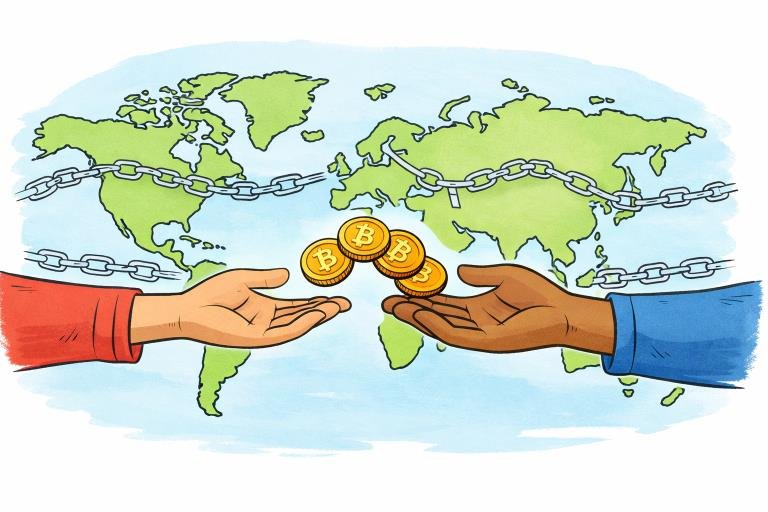
- Advancements in digital technology are revolutionizing cross-border transactions, making them faster and more efficient.
- Blockchain technology is playing a pivotal role in enhancing the security and transparency of international payments.
- Strategic partnerships between financial institutions and technology providers are driving innovation in cross-border payment solutions.
The Evolution of Cross-Border Transactions
Global commerce thrives on efficiency and reliability, especially when businesses must transact across borders. Historically, cross-border transactions have posed a variety of challenges, including lengthy settlement periods, costly intermediaries, and limited transparency. As the modern business landscape continues to globalize, there has been an increasing demand for rapid, seamless payment processes. Innovative cross-border payment systems have come to the forefront, offering robust digital solutions that help tackle these longstanding obstacles with real-time capabilities and greater visibility.
Digitalization has redefined how companies and individuals move money around the world. Electronic transaction platforms and mobile banking have contributed to a dramatic reduction in costs and processing times for international payments. These new digital corridors empower companies of all sizes to manage foreign currency flows, pay international suppliers, and expand into new markets with speed and confidence.
The pandemic further underscored the importance of frictionless cross-border payments, pushing financial institutions to accelerate their adoption of technology-driven platforms. As a result, today’s systems are more agile and better protected against error and fraud, supporting everything from e-commerce growth to family remittances with much higher efficiency.
According to a recent McKinsey report, the global payments industry is experiencing double-digit growth, driven by digital cross-border solutions.
Blockchain: A Game-Changer in International Payments
Blockchain technology has introduced a new era for cross-border payments. Unlike conventional banking rails, blockchain provides a decentralized, tamper-proof ledger, ensuring every transaction is secure and traceable. For global businesses, this means fewer intermediaries and the potential to process international payments in minutes, even on weekends and bank holidays.
An exemplary advancement is the integration of J.P. Morgan’s Kinexys Digital Payments blockchain within Corpay Cross-Border. This solution enables foreign exchange conversions around the clock, allowing organizations to access extended trading hours and obtain settlements far faster than traditional fiat currency rails could offer. Clients benefit from accelerated and transparent cross-border transactions, driving new levels of operational agility and cost savings.
Strategic Partnerships Driving Innovation
Collaboration between financial institutions and technology innovators has emerged as a critical force in transforming international payment systems. Take, for example, the alliance between Mastercard and Corpay. This partnership brings together Mastercard’s global reach and payment processing expertise with Corpay’s advanced technological solutions, making it easier for corporate clients to access a wide array of payment options and manage international funds transfers efficiently.
Such strategic partnerships are vital for addressing the complexities of regulatory requirements and market fragmentation, which often hinder seamless cross-border transactions. The synergy between these organizations highlights the importance of combined expertise, fostering creative approaches, and delivering comprehensive global payment solutions to diverse business needs. More on the evolving fintech landscape can be found in reputable sources such as Reuters.
Real-World Applications and Success Stories
Enhanced cross-border payment capabilities are being deployed across sectors, from trade finance to tourism, empowering organizations to operate on a truly global scale. A standout example is Axis Bank’s adoption of J.P. Morgan Kinexys, which introduced 24/7 global USD clearing for commercial clients. This game-changing innovation allows round-the-clock access to cross-border payments, unprecedented in traditional banking cycles, and opens the door to improved operational efficiency and customer satisfaction.
From small startups to established multinational enterprises, the adoption of rapid international settlement solutions is streamlining payroll, procurement, and supplier payments. According to McKinsey, the global payments industry is experiencing double-digit growth, driven by digital cross-border solutions.
Challenges and Considerations
Despite rapid advancements, the path to fully optimized digital cross-border payments contains obstacles. Regulatory scrutiny across jurisdictions remains stringent, with financial institutions required to uphold robust know-your-customer (KYC) and anti-money laundering (AML) protocols. Data privacy and security concerns remain top of mind, particularly as cyber threats grow in sophistication alongside increasing digital adoption.
Interoperability is another concern: aligning diverse payment systems and standards worldwide can hinder smooth integration. Businesses entering new markets or transacting in exotic currencies must invest in solutions that ensure consistent compliance, security, and operational coherence across borders.
The Future of Cross-Border Transactions
The cross-border payments industry is on the brink of further innovation, particularly as automation, artificial intelligence, and machine learning continue to advance. These technologies are poised to drive greater efficiency, error detection, and real-time decision-making. Additionally, ongoing enhancements to blockchain and distributed ledger technologies will further reduce settlement times and enhance transactional transparency.
In the near future, open banking initiatives and tokenized asset settlements are expected to become mainstream. As industry stakeholders continually refine networks and regulations, cross-border payment systems will become more inclusive, more secure, and better positioned for new digital commerce opportunities. For an in-depth discussion on fintech’s impact on the payment ecosystem, visit the Financial Times.
Conclusion
The integration of advanced digital solutions into cross-border transactions is accelerating a transformative era for global commerce. By embracing state-of-the-art technologies such as blockchain and fostering strategic partnerships between banks and technology providers, organizations can remove friction, cut costs, and deliver unprecedented speed and transparency to international payments. As technology evolves, staying proactive will be vital for businesses and financial institutions eager to excel in the global economy.