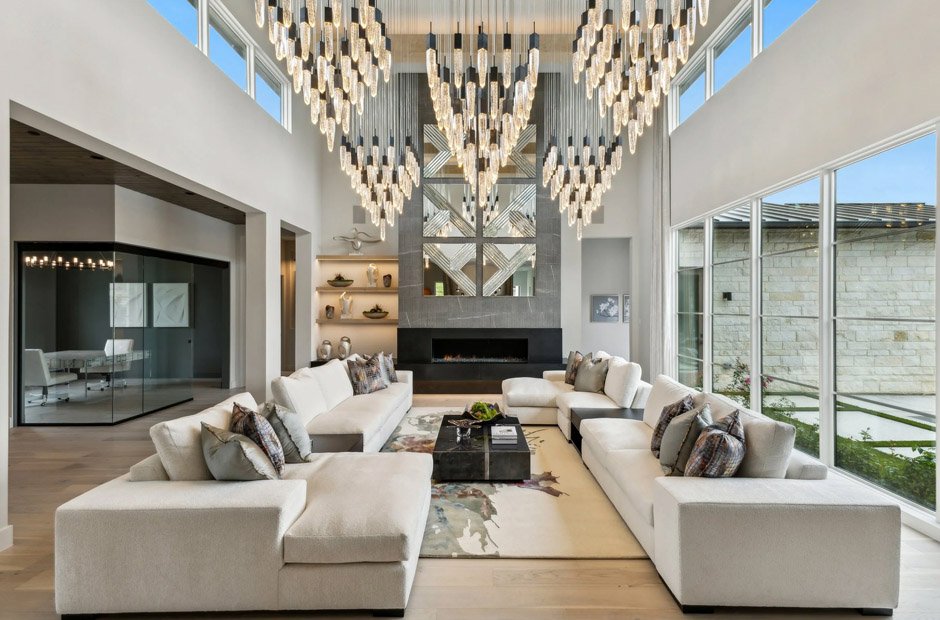
When it comes to designing a home that feels both inviting and visually stunning, the importance of architectural details cannot be overstated. These elements, ranging from crown moldings to carefully chosen fixtures, serve not only as decorative accents but also as defining features that give a living space character, depth, and personality. In essence, architectural details transform a house from a simple structure into a true home.
Enhancing Aesthetic Appeal Through Design
Architectural details contribute significantly to the overall aesthetic of a living space. Features like archways, wainscoting, and coffered ceilings can elevate a room’s design, making it feel more sophisticated and thoughtfully crafted. These details often reflect the homeowner’s personal style, whether that’s modern minimalism, classic elegance, or rustic charm. Even small touches, such as decorative trims around doors or built-in shelving, can create visual interest and make spaces feel more intentional and complete.
In addition, architectural details can help highlight certain aspects of a room. For example, a statement fireplace mantel can become a focal point in a living room, while intricate ceiling moldings can draw the eye upward, giving the impression of a taller, more open space. By strategically incorporating these elements, designers can craft environments that feel harmonious and balanced.
Functionality Meets Beauty
While aesthetics are crucial, architectural details also often serve practical purposes. Moldings and trims can protect walls from wear and tear, while built-in storage solutions can reduce clutter and improve a room’s functionality. Windows, for example, are not just openings for light; they are architectural features that influence the flow of natural illumination and ventilation throughout the home. Choosing the right window installation can dramatically enhance both the look and feel of a space, merging functionality with style seamlessly.
In kitchens and bathrooms, detailed cabinetry, countertops, and fixtures aren’t merely decorative; they make daily tasks more convenient and enjoyable. The right combination of form and function ensures that architectural elements do more than just please the eye, they actively contribute to how residents experience and use their homes.
Creating a Sense of Cohesion
One of the most understated yet impactful roles of architectural details is their ability to create cohesion within a home. Consistency in design elements such as trim styles, door finishes, and lighting fixtures helps unify different rooms, making transitions feel smooth and intentional. This continuity can enhance the sense of flow in an open-concept layout, where each area needs to complement the others without feeling disjointed.
Moreover, architectural details can help balance proportions within a space. For instance, adding wainscoting to a dining room or detailed cornices in a living area can create visual weight where needed, making a room feel well-proportioned and comfortable. When thoughtfully executed, these details contribute to an overall sense of harmony, ensuring that every corner of a home feels part of a cohesive whole.
Personalization and Timelessness
Another key benefit of architectural details is the opportunity for personalization. From bespoke shelving units to intricately designed stair railings, these elements allow homeowners to leave a unique imprint on their living spaces. At the same time, classic details such as crown molding or hardwood floors offer timeless appeal, ensuring that a home remains elegant and relevant for years to come.
By carefully considering the interplay between style, function, and proportion, homeowners and designers can use architectural details to craft spaces that are both beautiful and livable. Every arch, trim, and fixture contributes to an environment that reflects personal taste while standing the test of time.
Conclusion
Architectural details are far more than mere decoration; they define the character of a home, enhance its functionality, and bring cohesion to every room. By thoughtfully incorporating elements like moldings, archways, and well-chosen windows, homeowners can create living spaces that are not only visually appealing but also practical and timeless. In the end, it’s the careful attention to these details that turns a house into a truly beautiful and welcoming home.