Key Takeaways
- Root canal therapies offer both pain relief and prevention of further dental complications.
- Technological advances such as nanoparticles and regenerative medicine are revolutionizing the way root canals are performed and their outcomes.
- Maintaining natural teeth through effective therapy can influence health factors like blood sugar and cholesterol levels.
- Root canal procedures are linked to tangible improvements in quality of life by restoring normal dental function and comfort.
Today’s dental advancements have transformed root canal therapy from a procedure many people dread into a vital part of modern oral health care. As our understanding of dental science deepens, it becomes clear that root canal treatments do much more than just relieve pain; they play a significant role in supporting whole-body health. For patients considering endodontics, the newest scientific discoveries promise even safer, more efficient results, while innovative research highlights how oral health impacts broader wellness.
Root canal therapy remains a reliable, routine solution to preserve natural teeth that are affected by deep-seated infection or decay. In recent years, its benefits have expanded far beyond the traditional expectation of pain relief, now offering lasting effects on systemic conditions like diabetes and heart health. As technology and research drive continual improvement in dental care, procedures like root canals stand at the intersection of innovation and health optimization.
Understanding Root Canal Therapy
Root canal therapy involves the careful removal of infected or damaged pulp tissue located inside a tooth. Dental professionals then clean, disinfect, and fill the space to prevent reinfection and preserve the tooth’s structure. This not only allows patients to keep their natural teeth but also eliminates the breeding grounds for bacteria that could threaten both oral and systemic health. The use of local anesthesia and advanced instruments has made this procedure more comfortable and predictable for patients of all ages.
Root canal treatment often serves as the last line of defense before tooth extraction, with a primary focus on saving teeth whenever possible. The comprehensive approach emphasizes long-term preservation of oral health by addressing the root cause of pain, infection, and inflammation, rather than just the symptoms. Successful interventions not only restore chewing efficiency but also maintain the alignment and function of neighboring teeth.
Systemic Health Benefits
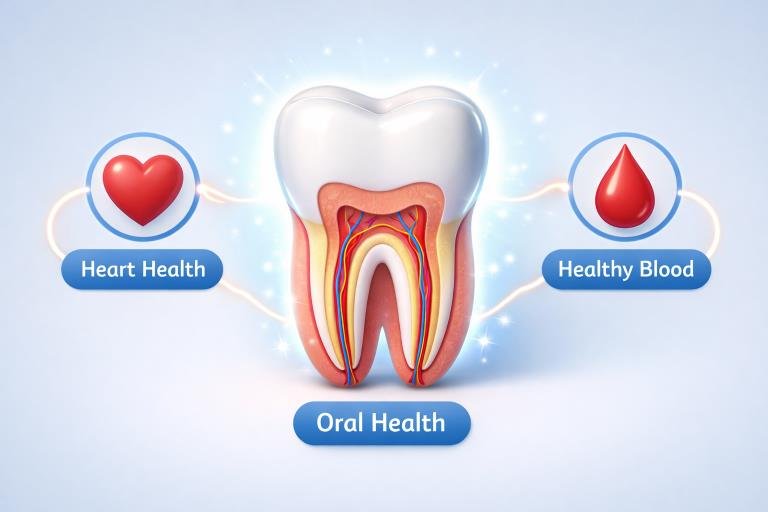
Root canal therapies have far-reaching implications for overall health. A groundbreaking study highlighted by The Guardian demonstrated that people who underwent root canal procedures experienced significant improvements in blood sugar control over two years, which may provide an added layer of protection against developing type 2 diabetes. The same research indicated positive shifts in cholesterol and fatty acid profiles, suggesting that treating oral infections may offer unexpected cardiovascular benefits.
In addition to metabolic advantages, root canal treatments also play a critical role in limiting the spread of harmful bacteria from the mouth to other areas of the body. Oral infections can actively contribute to chronic inflammation and raise the risk of systemic diseases such as cardiovascular disease, respiratory infections, and certain types of cancer. Thus, effective root canal therapy not only preserves oral health but also acts as a preventive strategy for future medical complications.
Innovations in Root Canal Treatments
Technology is rapidly reshaping how root canal therapy is performed. One of the most promising developments is the incorporation of nanoparticles into endodontic treatments. These microscopic particles can penetrate and dismantle stubborn bacterial biofilms that traditional methods sometimes fail to eliminate. Studies posted on Phys.org illustrate that nanoparticles significantly decrease the risk of recurrent infection, promote better healing, and improve the prognosis of challenging cases.
Another innovation that has garnered attention is advanced 3D imaging, which helps dental professionals visualize root canal anatomy in greater detail. Cone-beam computed tomography (CBCT) now aids practitioners in locating hard-to-see canals and ensuring thorough cleaning and filling of the tooth structure. This leads to both higher success rates and lower chances of post-procedure discomfort or complications.
Tissue Regeneration: A Future Alternative?
The future of root canal therapy could look very different thanks to regenerative medicine. Scientists are experimenting with ways to trigger the growth of stem cells within the tooth, fostering the regeneration of lost pulp tissue. Early research featured by ScienceDaily reports that advancements in tissue engineering may eventually allow dentists to restore pulp vitality, dentin, and even bone inside a previously infected tooth.
This approach could ultimately lead to a scenario where natural tooth structures are completely restored, reducing the need for synthetic fillers or repeat procedures. Although these innovations are still in development, the promise of bioengineered tissue represents a leap forward in patient care and dental preservation.
Patient-Centered Outcomes
While technical advancements matter, patients often judge the value of a dental procedure by the improvements they notice in daily life. Multiple surveys have reported that root canal therapy restores confidence in eating, minimizes persistent pain, and enables a natural appearance. A recent publication in the Journal of Endodontics found that patients overwhelmingly feel more comfortable and less self-conscious after a successful root canal, which translates to better emotional and social well-being.
Long-term satisfaction also depends on comprehensive dental care following treatment, including regular cleanings and ongoing evaluation for signs of reinfection or underlying issues. These proactive steps help ensure durable results and a lasting return to normal function and comfort for all patients who undergo root canal therapy.
Conclusion
Root canal therapy stands at the intersection of tradition and innovation within dentistry. What was once seen as a purely reactive measure has now become a cornerstone of preventive health, impacting not just the mouth but the entire body. Through ongoing research and technological breakthroughs, root canal treatments are more effective, comfortable, and beneficial than ever before. Prioritizing endodontic care today may provide life-changing advantages well beyond the dentist’s chair.