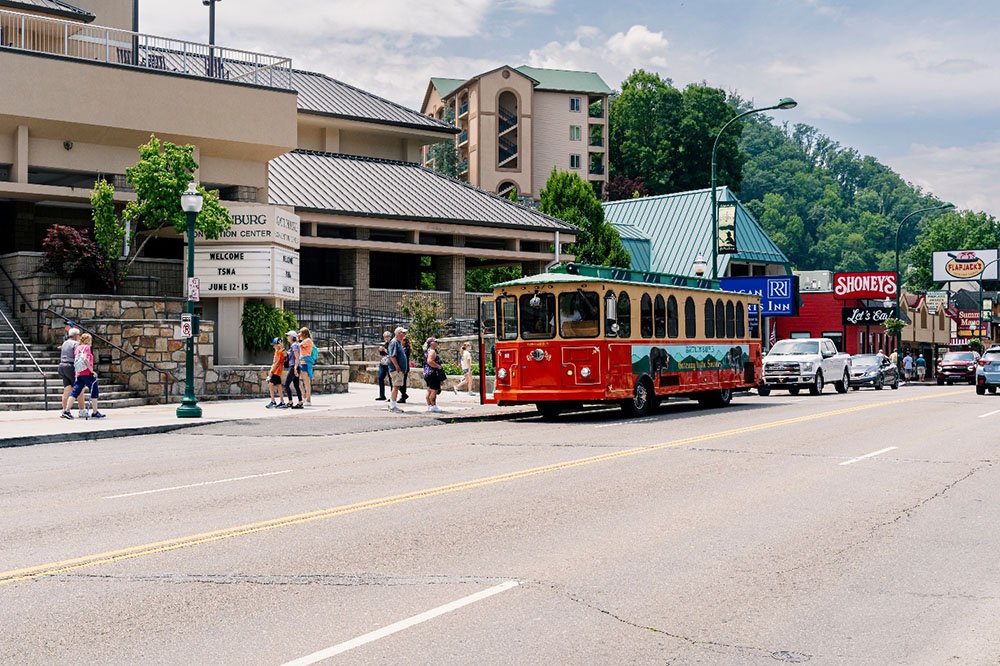
Family trips create space for connection, discovery, and shared stories that last for years. Destinations like Gatlinburg naturally spark excitement because they blend scenic surroundings, interactive attractions, and family-friendly entertainment in one place. Still, even the most promising getaway can test a child’s patience. Long drives, crowded walkways, and changes in routine can quickly shift the mood. Parents who focus on keeping kids engaged throughout the journey often find the experience far more enjoyable for everyone.
Successful family travel blends preparation with flexibility. Clear communication helps children feel secure. Interactive experiences keep curiosity alive. Downtime prevents exhaustion from turning into frustration. Small choices give kids a sense of ownership, which strengthens cooperation.
Set Clear Expectations Before the Trip
Children handle travel better when they understand what lies ahead. A simple conversation about the itinerary can ease uncertainty and build anticipation. Parents can describe how long the travel day will be, what kind of activities are planned, and when breaks will happen.
Tone plays an important role during these conversations. Calm explanations encourage cooperation more effectively than strict warnings. Parents can positively explain behavior expectations, such as reminding kids that patience during travel leads to more time for fun activities later.
Choose Activities That Spark Curiosity
Food-centered stops often create memorable moments because they appeal to multiple senses. Visiting a local sweet shop, especially one known for handmade treats like fudge, can transform a simple outing into something far more interactive. A sweet shop visit can turn into an engaging experience when kids watch the preparation process and anticipate the reward.
You can explore Gatlinburg fudge shops with the kids and sample a wide variety of homemade flavors while watching fresh batches being made right in front of you. Stops like Ole Smoky Candy Kitchen and Kilwin’s Chocolates in downtown Gatlinburg offer classic fudge flavors and demonstrations that make sampling even more fun for little visitors. The experience feels lively and immersive, which keeps children focused and excited.
Pack Smart Entertainment for Transit Time
Travel days require their own strategy. Long stretches in a car or on a plane can test even the most patient child. A prepared entertainment kit makes a noticeable difference. Books, coloring supplies, small puzzles, and travel-sized games provide variety without creating clutter. Audiobooks and kid-friendly podcasts add another layer of engagement, especially during extended drives. Listening together can spark family discussions and shared laughter.
Simple games such as scavenger hunts encourage kids to observe their surroundings. Parents can create a checklist of common roadside sights to spot during the journey. Storytelling rounds, where each person adds a sentence to an ongoing tale, keep minds active and creativity flowing.
Build a Flexible Daily Schedule
Overpacked schedules often lead to exhaustion and tension. A balanced plan keeps the trip enjoyable for everyone. One or two main activities per day usually provide enough structure without overwhelming the family. Free time plays an important role in this balance. Open windows in the schedule allow for spontaneous discoveries or extended moments at a favorite spot.
Rest breaks matter just as much as activities. Younger children benefit from predictable quiet periods, while older kids appreciate time to recharge in their own way. A flexible schedule adapts to shifting energy levels and prevents minor changes from turning into major frustrations.
Encourage Kids to Participate in Planning
Children respond positively when they feel heard. Giving them a voice in planning strengthens cooperation and enthusiasm. Parents can offer two activity options and let kids choose between them. This simple decision-making opportunity builds confidence and encourages engagement.
Older children can research a fun fact about an upcoming attraction or suggest a snack to try. Small responsibilities, such as holding a map or checking off completed activities, add a sense of purpose. These tasks help kids feel like contributors instead of passengers.
Balance Group Time With Individual Attention
Family trips often focus on shared experiences, yet individual attention still matters. Each child brings a different personality, pace, and set of interests. Parents who recognize these differences create a smoother dynamic throughout the trip.
Short one-on-one moments can make a big impact. A quick walk to grab a snack, a brief conversation during a quiet break, or a few minutes spent exploring a small shop together helps a child feel seen. These simple interactions reduce competition for attention and lower the chances of sibling tension.
Turn Everyday Moments Into Learning Opportunities
Travel naturally introduces new sights, sounds, and stories. Parents can use these moments to spark curiosity without turning the trip into a classroom session. Casual conversations about local traditions, nature, or architecture make learning feel effortless.
Open-ended questions encourage children to think and share observations. Asking what they notice about a building, a landscape, or a cultural detail keeps them mentally engaged. These discussions deepen their understanding and help them process what they see.
Protect Downtime and Comfort
Excitement can quickly turn into exhaustion without proper rest. Protecting downtime ensures that energy levels remain stable throughout the trip. Regular breaks allow children to reset and avoid emotional overload.
Familiar comfort items provide stability in new environments. A favorite pillow, stuffed animal, or bedtime routine creates a sense of security. Consistency with sleep schedules, when possible, helps prevent crankiness the following day.
Traveling as a family works best when engagement remains the central focus. Clear expectations set the tone before the journey begins. Interactive experiences keep curiosity alive. Prepared entertainment makes transit smoother. Flexible schedules reduce pressure. Shared planning builds excitement and cooperation.
Individual attention, light learning, and protected downtime complete the picture. Each element supports a balanced rhythm that keeps children happy and involved. Strong family trips do not depend on constant motion or packed itineraries. Meaningful connection grows through thoughtful preparation, steady communication, and moments of shared discovery. Parents who approach travel with intention create experiences that feel smooth, memorable, and genuinely enjoyable for everyone.