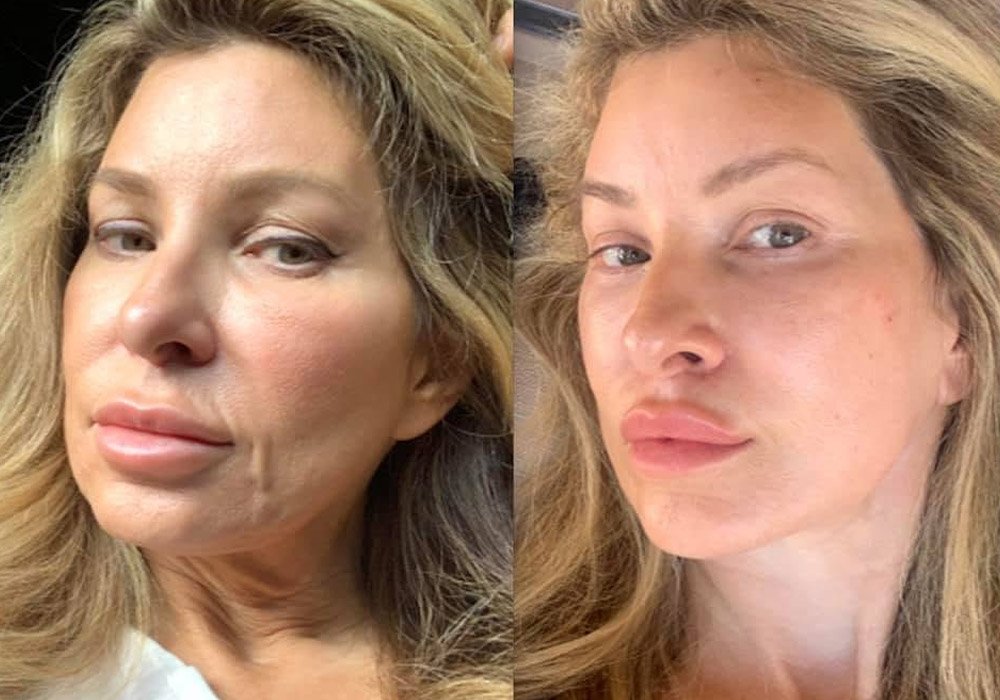
The most successful aesthetic transformations often leave people wondering what has changed. Rather than creating a dramatically different appearance, natural-looking results tend to make someone appear refreshed, rested, and more confident while still looking unmistakably like themselves. Achieving this kind of outcome depends on a thoughtful combination of realistic expectations, careful planning, and an individualized approach.
Respecting Your Natural Features
A natural aesthetic transformation should work with the features you already have rather than trying to replace them. Facial proportions, bone structure, skin quality, and individual characteristics all play an important role in determining which treatments may be suitable.
The goal is often to create greater balance and harmony. This could mean subtly addressing areas that have changed with age while preserving the qualities that make a face unique. Following trends too closely can sometimes produce results that feel disconnected from a person’s natural appearance, particularly when the same approach is applied to everyone.
Choosing Subtle, Proportionate Changes
More treatment does not necessarily mean a better result. In many cases, restraint is one of the most important factors in achieving a natural transformation.
Small, carefully considered adjustments can sometimes make a significant difference without drawing obvious attention to the treatment itself. The ideal level of change depends on the individual, which is why a personalized consultation is so important.
For those considering facial surgery, choosing the best facelift surgeon in Chicago for their individual needs may involve looking for a specialist who prioritizes balanced results, understands facial anatomy, and takes the time to discuss realistic outcomes.
Looking at the Face as a Whole
Natural-looking transformations rarely focus on one feature in complete isolation. The face is made up of interconnected areas, and changes to one part can influence the overall appearance.
For example, addressing concerns around the lower face without considering the neck may sometimes create an imbalance. Similarly, changes around the eyes or brows should complement the rest of the face. A comprehensive approach can help ensure that different features continue to look harmonious together.
Considering How the Face Ages
Everyone experiences facial aging differently. Genetics, sun exposure, lifestyle habits, skin elasticity, and changes in facial volume can all influence how a person looks over time.
A natural transformation should therefore address the individual’s specific concerns rather than following a standard formula. Understanding where volume has been lost, where skin has become less firm, and how facial contours have changed can help guide a more tailored treatment plan.
Maintaining Realistic Expectations
Aesthetic treatments can enhance appearance, but they cannot create perfection or stop the aging process entirely. Having realistic expectations is an important part of feeling satisfied with the outcome.
Good communication during the consultation process can help establish what is achievable and ensure that the treatment plan reflects the individual’s priorities. It also provides an opportunity to discuss recovery, longevity, and how results may evolve over time.
Ultimately, a natural-looking aesthetic transformation is about refinement rather than reinvention. By respecting individual features, making proportionate changes, and taking a personalized approach, it is possible to achieve results that feel refreshed and balanced without looking overdone.