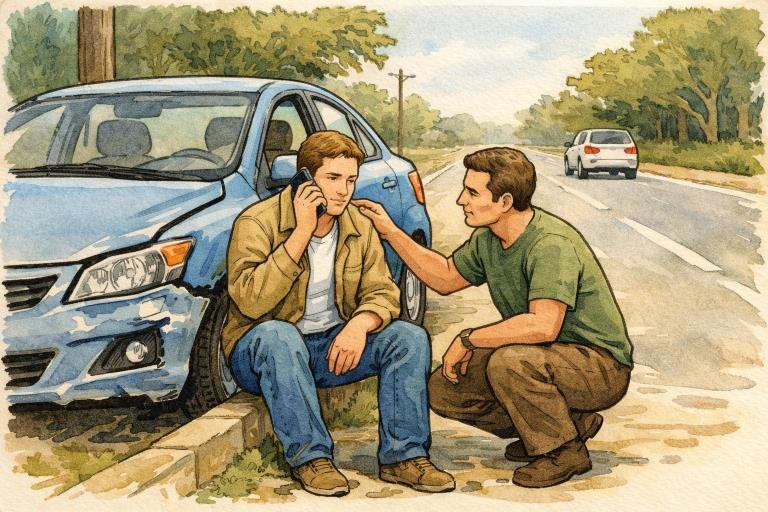
Key Takeaways
- Prioritize your safety and seek medical attention immediately after a hit and run accident.
- Gather and document as much information as possible to strengthen your case.
- Report the incident to the police and your insurance company without delay.
- Work with knowledgeable legal professionals to pursue your rights and potential compensation.
Being involved in a hit-and-run accident in New Jersey can be a disorienting and stressful experience. Taking immediate, informed action can make all the difference for your safety, potential insurance claims, and any legal action that may follow. Understanding the right steps to take ensures you do not jeopardize your rights or miss important opportunities for compensation. In uncertain situations, guidance from experienced Monmouth County car accident attorneys can help you through the aftermath with confidence.
New Jersey law requires all drivers to stay at the scene of an accident. In a hit-and-run, one party fails to fulfill this legal obligation, leaving victims frustrated and confused about what to do next. Despite the chaos, keeping calm and acting methodically is essential for protecting your well-being and interests.
Ensure Safety and Seek Medical Attention
Your first priority after any hit-and-run accident should be to ensure your own safety and the safety of any passengers. Move to a safe area away from traffic if possible, and check for injuries. Even if you feel fine initially, certain injuries may not present symptoms immediately. It is important to contact emergency services so medical professionals can conduct a thorough evaluation, which also creates a record of injuries connected to the accident.
In addition to calling emergency services, be alert for signs of shock or trauma in yourself or others involved. Elevated stress levels in the moments after a crash can mask pain or make it difficult to recall the sequence of events. If anyone at the scene appears disoriented, is experiencing difficulty breathing, or has visible wounds, request assistance and don’t attempt to move them unless they are in immediate danger from traffic or fire. Maintaining calm can help others around you stay composed while waiting for first responders to arrive.
Gather Information and Document the Scene
If you are physically able, begin documenting the scene as soon as possible. Take photos or videos of your vehicle, any damage sustained, visible injuries, debris, and skid marks. Try to memorize or write down any details about the fleeing vehicle, such as make, model, color, license plate number, and direction it left. Witness statements can be extremely valuable, so ask nearby individuals if they saw anything and can share their contact information.
Make note of any traffic or security cameras in the vicinity that may have captured the incident. Recording the time and precise location of the accident can help investigators retrieve relevant footage later. Additionally, jot down your observations about the weather, road conditions, and anything unusual that could affect the investigation, such as malfunctioning traffic signals or obstructions like parked vehicles that may have limited your visibility or contributed to the accident.
Quickly noting all details, while they are still fresh, strengthens your case later. For additional safety tips and recommendations, consider the advice available through resources from the National Highway Traffic Safety Administration.
Report the Accident to the Police
In New Jersey, you are required to report all car accidents involving injuries, fatalities, or property damage exceeding $500. For a hit and run, call the police immediately and provide all the information you have gathered. A formal police report becomes a crucial piece of documentation for both your insurance claim and any subsequent legal action. Be factual but detailed when describing what happened, and request a copy of the police report for your records.
It is important to stay at the scene until law enforcement arrives, unless you require emergency medical care. If you leave too soon, especially before filing a report, you could inadvertently put yourself at legal risk. Once police are on the scene, cooperate fully, avoid speculating about the other driver’s motives, and stick to the facts as you remember them. Let officers know of any surveillance systems nearby that may have recorded the crime, as this may aid their investigation and improve your chances of identifying the at-fault motorist.
Notify Your Insurance Company
Inform your auto insurance company of the accident as soon as practicable, providing the same information you shared with the authorities. Many policies in New Jersey include uninsured motorist (UM) coverage, which can help cover damages when the other driver cannot be found. Review your coverage with your insurer and follow their procedures closely to avoid impacting your claim. Timely notification is vital, as delays can sometimes result in denials of coverage.
During your conversation with your insurance company, carefully document the claim number, the names of the representatives handling your case, and all significant communication. Provide supporting evidence, including photographs, police report details, and medical documentation, to demonstrate the extent of damages and injuries. Understanding your policy’s deadlines and requirements ensures you meet all obligations and maximize potential benefits. If the insurer requests a recorded statement, consider consulting an attorney beforehand to protect your interests.
Seek Legal Guidance and Next Steps
Consulting with attorneys experienced in New Jersey hit-and-run cases can make a significant difference in the outcome of your case. Specialists know how to deal with insurance companies, pursue investigations to identify the responsible party, and ensure you pursue every available route for compensation. While the legal process can be overwhelming, you do not have to navigate it alone. Consider the additional perspectives on handling car accidents from major resources like Consumer Reports.
A lawyer can also help you evaluate alternative sources of compensation, such as pursuing a civil lawsuit against an unidentified driver listed as a John Doe, or seeking coverage under state crime victim funds in certain situations. They can explain the legal deadlines (statutes of limitations) specific to hit and run cases and may connect you with professionals for ongoing medical treatment or counseling. Remember, consulting an attorney early can preserve evidence, clarify your options, and relieve much of the stress involved in pursuing accountability for your losses.
Conclusion
Dealing with a hit-and-run accident in New Jersey can be unsettling, but taking the right steps after the accident is vital for protecting your well-being, finances, and legal rights. Always prioritize your safety, gather evidence, report the incident, contact your insurance company, and seek legal help when needed. This approach empowers you to move forward with clarity and a stronger chance for the justice and compensation you deserve.
Even after the immediate aftermath, keep thorough records of all accident-related expenses, including medical bills, vehicle repairs, rental cars, and lost wages. Track any correspondence with insurance companies and law enforcement, and update your legal team if you receive new information. The path to recovery may be long, but attention to detail and a proactive strategy greatly increase the likelihood of a satisfying resolution. With the support of medical professionals and compassionate legal guidance, you can focus on healing and regaining peace of mind following a hit-and-run accident.