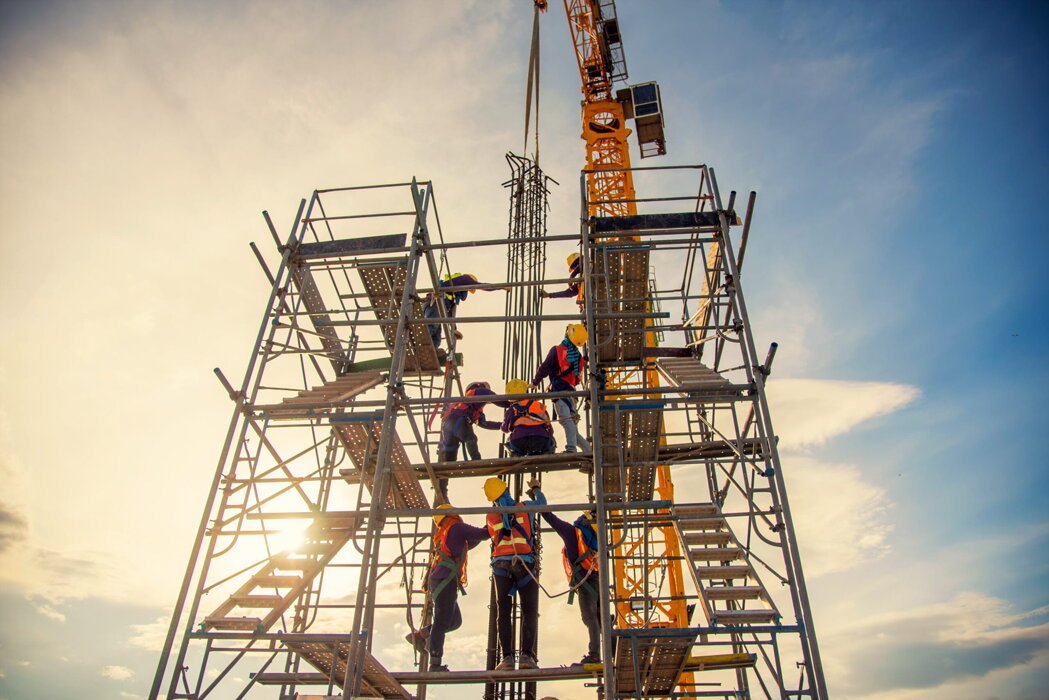
Do you know who is responsible if someone gets hurt on a construction site? Construction accidents can cause serious injuries and big costs. The law has rules to decide who must pay.
Understanding these rules can protect workers, contractors, and property owners. It also helps avoid long court cases and confusion. Knowing your rights and duties is very important in construction work.
Safety rules and insurance are part of liability too. Each accident is different, so the law looks at details carefully. Learning about liability keeps everyone safer and prepared. Read on now to see what the law says about construction accidents and protect yourself.
Liability Basics
Liability in construction means knowing who is responsible for accidents. It can include workers, contractors, and property owners. The law decides who must pay for injuries or damages. Fault is often based on carelessness or broken safety rules. Some accidents are covered by insurance, while others are not. Workers may be protected by workers’ compensation.
Contractors have a duty to follow safety regulations. Property owners must keep the site safe for everyone. Liability can change depending on the situation. Legal claims can happen if someone is hurt. Understanding these basics helps prevent problems and protect everyone.
Worker Duty
Workers must follow safety rules on construction sites. They need to wear helmets, gloves, and other protective gear. Paying attention to instructions helps prevent accidents. Workers should report unsafe conditions quickly. They must handle tools and machines carefully.
Ignoring safety rules can make them partly responsible for injuries. Training helps workers know how to stay safe. Keeping the work area clean prevents accidents. Workers should look out for their co-workers’ safety too. Understanding their duties keeps everyone safer and reduces legal problems.
Employer Duty
Employers must provide a safe work environment for all workers. They need to follow safety laws and regulations. Providing proper training helps workers avoid accidents. Employers should supply protective gear like helmets and gloves. Regular inspections can spot hazards before they cause harm. Clear safety rules must be communicated to everyone on site.
Employers must fix unsafe conditions quickly. Insurance should be in place to cover accidents. Supervisors should watch for unsafe behavior. Employers can be held responsible if they ignore safety rules. Fulfilling these duties protects workers and reduces legal risks.
Contractor Duty
Contractors must make sure the construction site is safe for everyone. They need to follow all building and safety laws. Contractors should plan work to reduce risks of accidents. Providing proper tools and equipment is part of their duty. They must train workers on safety procedures.
Contractors should check that subcontractors follow the rules too. Regular inspections help find hazards early. Unsafe conditions must be fixed quickly. Contractors can be held liable if rules are ignored. They should keep clear records of safety measures. Meeting these duties protects workers and avoids legal problems.
Owner Duty
Property owners must keep the construction site safe. They are responsible if someone gets hurt. Owners should hire good contractors who follow rules. They must check that safety gear is used. Lighting and clear paths help prevent accidents. Owners should fix dangers fast.
They need to tell contractors about risks. Insurance can help pay for accidents. Ignoring duties can cause legal problems. Regular site checks stop accidents before they happen. Keeping records of repairs is important. Knowing these duties keeps everyone safe and reduces trouble.
Common Hazards
Construction sites have many hazards that can cause injuries. Slips, trips, and falls happen often. Workers can be hurt by falling tools or materials. Electrical wires and equipment can shock or burn people. Heavy machines can cause serious accidents. Unsafe scaffolding is a major risk. Poor lighting makes it hard to see hazards.
Wet or uneven floors increase accidents. Moving vehicles on site can hit workers. Sharp tools and materials can cut or pierce skin. Loud noise can damage hearing if not protected. Lack of safety gear makes injuries worse. Knowing these hazards helps prevent accidents and legal problems.
Insurance Rules
Insurance is very important on construction sites. It can pay for injuries if someone gets hurt. Workers’ compensation covers most worker accidents. Contractors need liability insurance for damages or injuries. Property owners may also need insurance for the site. Insurance rules decide who pays for what. Having insurance can prevent big financial problems.
Claims must be filed quickly to get help. Some accidents may not be covered by insurance. Following safety rules helps keep insurance valid. Policies can have limits on coverage.
Legal Claims
Legal claims happen after someone is hurt on a construction site. They decide who must pay for injuries or damage. Workers can file claims if they get hurt on the job. Contractors can face claims for unsafe work practices. Property owners may also be responsible for accidents. Proof of carelessness or broken rules is needed for most claims. Evidence can include photos, reports, and witness statements.
Filing a claim starts a legal process. Some claims are solved without going to court. Others may go to trial if there is a disagreement. Insurance can help cover costs from claims. Understanding legal claims protects workers, contractors, and property owners.
Negligence Facts
Negligence happens when safety rules are not followed. It can cause accidents on construction sites. Workers, contractors, or owners can all be negligent. Not wearing safety gear is a common cause of negligence. Ignoring hazards can also lead to claims. Poor training or supervision may count as negligence. Negligence can make someone legally responsible for injuries.
Evidence is needed to prove negligence in court. Knowing what to do after a caught between construction site injury is very important. Reporting hazards quickly can reduce risks. Following rules and safety steps helps prevent negligence and protect everyone.
Learn More About Construction Accidents
Construction accidents can cause serious injuries and costs. Knowing the law helps workers, contractors, and owners stay safe.
Following safety rules reduces the risk of accidents. Insurance and proper planning protect everyone on site. Understanding liability and duties keeps projects safer and avoids legal problems.
Looking for more tips and ideas? We’ve got you covered. Check out some of our other posts now.