Dental emergencies can happen at any time and often without warning. Whether it’s a severe toothache, a knocked-out tooth, or sudden swelling, these situations require prompt attention. Knowing how to respond in the moment can help preserve your oral health and ease discomfort. Living where active lifestyles and outdoor activities are common, the need for quick access to an emergency dentist in Anchorage residents can rely on becomes especially important. Having a clear plan in place helps reduce panic and promotes faster recovery.
Common Types of Dental Emergencies
Several situations qualify as dental emergencies. Recognizing them early ensures you act quickly and appropriately.
Severe Toothache
Persistent or sharp pain that doesn’t go away could indicate an infection, abscess, or exposed nerve. Rinsing with warm salt water and taking over-the-counter pain relief can help manage the discomfort until you get professional care.
Knocked-Out Tooth
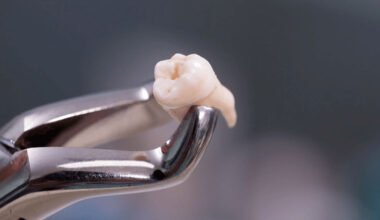
If a tooth gets completely dislodged, it’s vital to act fast. Handle the tooth by the crown (not the root), gently rinse it with water if dirty, and try placing it back in the socket. If that’s not possible, store it in milk or a saline solution and seek immediate dental help.
Cracked or Broken Tooth
Fractured teeth may not hurt right away, but they can worsen without attention. Rinse your mouth to remove debris, apply a cold compress to reduce swelling, and avoid chewing on that side until you can visit your dentist.
Lost Filling or Crown
A lost filling or crown can expose sensitive parts of your tooth, causing pain or leading to further damage. While dental cement from a pharmacy can offer a temporary solution, you should schedule a dental appointment as soon as possible. In all of these scenarios, contacting a trusted emergency dentist ensures you receive timely and appropriate care.
Immediate Steps You Can Take
While waiting to be seen, some first-aid measures can help protect your teeth and manage symptoms.
- Stay Calm: Panicking increases stress and can make it harder to think clearly.
- Stop the Bleeding: Use clean gauze to apply pressure to bleeding areas.
- Manage Swelling: Apply a cold compress on the outside of your cheek to minimize swelling and discomfort.
- Avoid Aggravating the Issue: Don’t chew hard foods or poke at the affected area with your tongue or fingers.
These steps aren’t substitutes for professional care, but they can limit damage until you reach a qualified dental provider.
When to Call an Emergency Dentist
Not all dental problems need urgent care, but knowing when to seek immediate help can save your smile.
Call an emergency dentist if you experience:
- Unrelenting tooth pain
- Bleeding that doesn’t stop after 10 minutes
- Facial swelling, especially with fever
- A knocked-out, loose, or severely broken tooth
- Trauma to the mouth or jaw that affects your ability to speak or eat
If in doubt, it’s always safer to err on the side of caution and consult a professional. Early treatment reduces the risk of complications and improves outcomes.
How Emergency Dentists Help
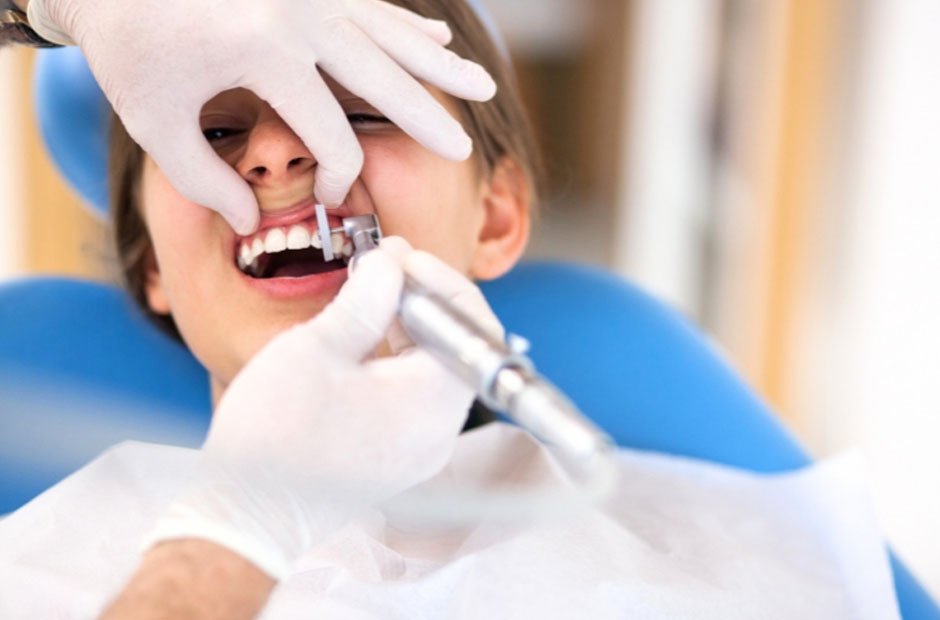
Emergency dentists are trained to handle high-pressure, time-sensitive situations. Their primary goal is to restore your comfort and oral function as quickly as possible, whether by stabilizing a damaged tooth, managing an infection, or providing a temporary solution until more extensive work can be performed. Emergency dental providers use modern tools and techniques, like digital X-rays and sedation, to offer same-day care, prioritizing both efficiency and patient comfort.
Preventing Future Dental Emergencies
While not all emergencies are avoidable, there are ways to reduce your risk.
- Wear a Mouthguard: If you play contact sports or grind your teeth at night, using a mouthguard can prevent injury.
- Maintain Good Oral Hygiene: Brushing, flossing, and regular dental checkups help prevent infections and decay that can lead to emergencies.
- Avoid Using Teeth as Tools: Don’t use your teeth to open packaging or bite hard objects like pens or ice.
These habits, combined with regular visits to your local dental provider, help keep your teeth and gums in top shape year-round.
Conclusion
Being prepared for a dental emergency is crucial. Save the contact details of a recommended emergency dentist in your phone or display them at home. Keep a dental first-aid kit handy, including gauze, temporary dental cement, and a container for dislodged teeth. Knowing what to do and who to call can make a stressful situation much more manageable.