Storing your car protects it from the elements that can cause damage to its exterior and interior. When you store your car, you also free up valuable space in your garage or driveway. Storage for cars is a practical solution for owners who have limited parking space or are going away for an extended period. Here is what you need to know before storing your car:
Choose the Right Facility
Your car contains components that require specific conditions to maintain their quality. Not every storage facility is equipped to provide these conditions, so when you visit the facility, look for features such as climate control to support your car’s exterior and interior components. A facility with a temperature-controlled storage unit will be beneficial for protecting your car from humidity. Storing your car in a humid environment often leads to rust and corrosion, requiring quick repairs. Your car’s interior needs protection for its leather, vinyl, and plastic components so they don’t crack from dryness. A climate-controlled storage unit will help maintain a consistent temperature and humidity level for your cars at all times.
Prepare Your Car for Storage
Before you store your car in a unit, there are a few steps to take to support your vehicle’s safety and preservation. Proper preparation will make it easier to take your car out and use it again after an extended period of storage. Follow these steps to properly prepare your car for storage:
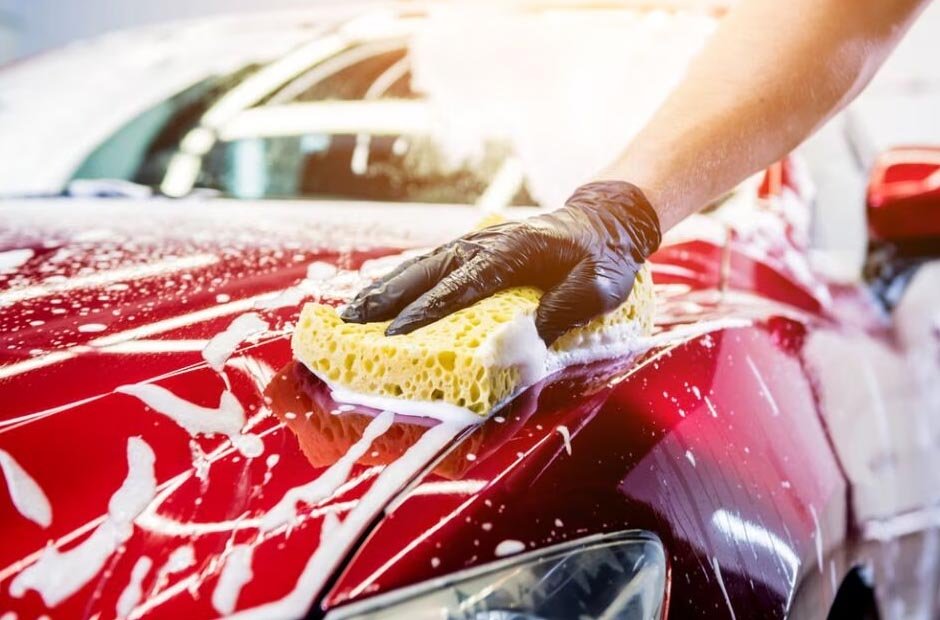
- Clean your car. Start by washing your car, both inside and out, to remove grime.
- Change the oil. Your oil has a shelf life, so change it before storing your car; this will help protect the engine from corrosion.
- Fill up the gas tank. A full gas tank will prevent moisture from accumulating inside your car and potentially causing damage.
- Add fuel stabilizer. Prevent fuel from breaking down and turning into varnish during storage by adding a stabilizer.
- Check tire pressure and inflate if needed. When you inflate your tires, you support your car’s weight during storage and prevent flat spots.
Disconnect the Battery
Disconnecting your car’s battery helps prevent drain and protects the electrical system. If you plan to store your car for an extended period, it is prudent to disconnect the battery entirely. Your battery will lose its charge over time, even if your car is not in use. Proper battery care will help you avoid complications such as a dead battery or damaged electrical system when you return to your stored car.
Cover Your Vehicle
Some storage facilities provide both indoor and outdoor options. Storage for cars outdoors requires a high-quality car cover to protect the vehicle. Make sure the car is clean and dry before covering it.
Proper coverage prevents dirt or debris from scratching the paint. A proper cover shields the car from sun damage, bird droppings, and other environmental factors. Regularly check the cover to make sure it remains secure and effective.
Find Storage for Cars
The choice of your car storage contributes to your vehicle’s security while you are away. Whether you are traveling or just need a secure place to store your classic car, choose the right storage option for its safekeeping. Visit a storage facility today to find an appropriately-sized unit.