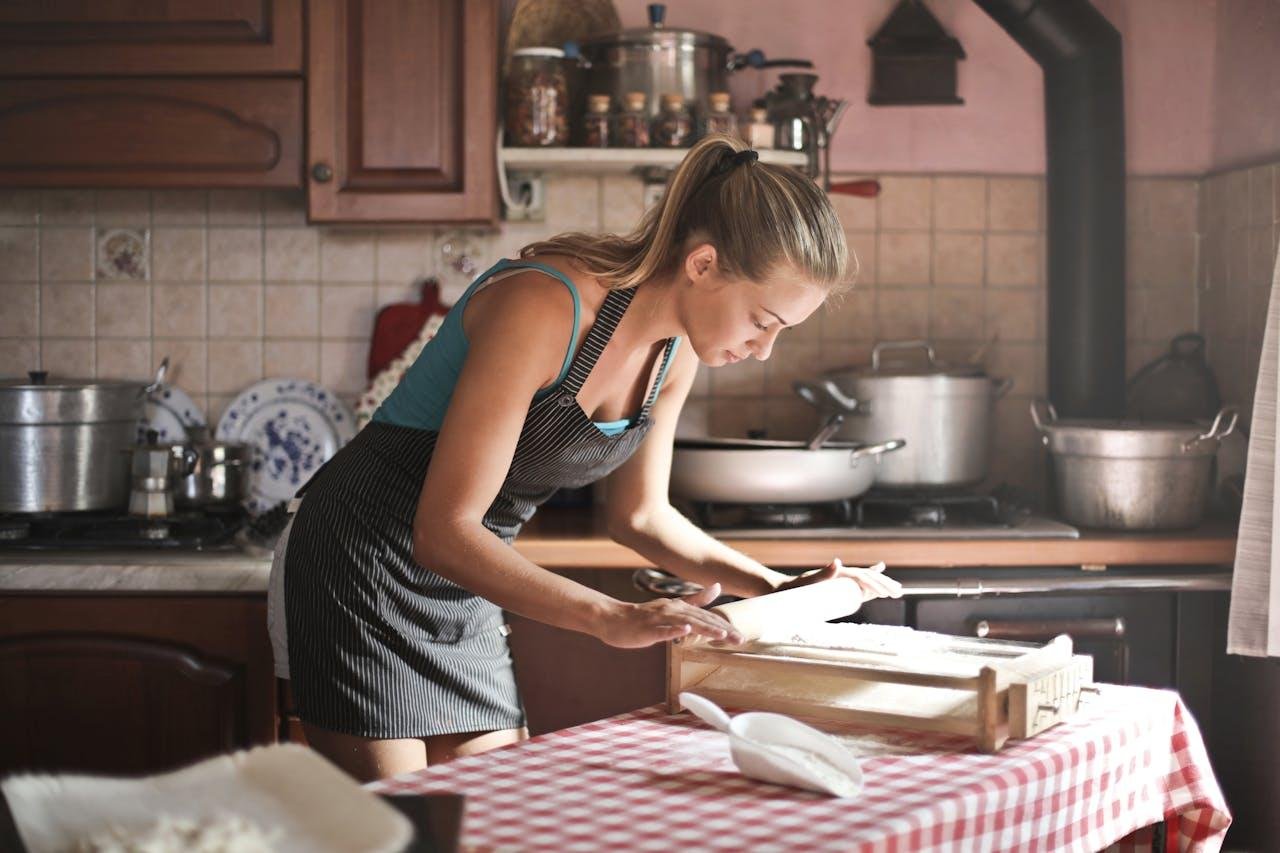
Ever catch yourself halfway through dinner and realize you barely remember making it?
You chopped. You stirred. You plated. And yet, the whole thing felt like a blur. Cooking, once a source of joy, has quietly become background noise. With life stacked on spreadsheets, errands, and headlines, it’s no wonder that many of us have shifted into autopilot in the kitchen. What used to be an act of connection is now just another item on the to-do list.
It’s not that we’ve stopped caring about food. We still binge cooking shows. We still swap air fryer tips. But there’s a growing gap between what we consume for fun and what we prepare for real life. And in that gap, something gets lost.
In this blog, we will share how routine cooking can dull the senses, why being present matters more than being perfect, and how even one thoughtful meal a week can change the game.
Getting Hands-On Again
There’s a difference between throwing something together and actually cooking. The second one asks for your attention. It doesn’t have to take all night. It just needs you to show up.
One simple shift is to reclaim control over flavor. Take spice blends. Instead of reaching for a mystery-label bottle, mix your own. An easy homemade BBQ rub recipe, for example, lets you tweak taste to your liking, cut out salt if needed, and feel like you built something from scratch. Paprika, brown sugar, chili powder, garlic—it’s not hard, and it makes meat and veggies pop.
More importantly, it gives your food your signature. You start to understand what flavors you like, and how they change when heat or time is added. That’s when cooking gets fun again.
Even a ten-minute meal can feel meaningful when you’re not just tossing things into a pan on autopilot. Cooking with care is about knowing when to slow down, even briefly. It’s stirring with intention, not urgency.
Why the Kitchen Feels Like Work
Part of the problem is that the kitchen now competes with everything else. Our lives are louder. Multitasking is the norm. So naturally, the quiet, focused act of cooking gets edged out. There’s always something else calling for your attention.
And let’s be honest: not everyone wants to cook every day. That’s fair. But not wanting to cook isn’t the same as not wanting to enjoy food. Many people love the results. It’s the process that feels exhausting.
The fix isn’t to cook more. It’s to cook better, even if that’s just once or twice a week. Those moments give your brain a break from screens. They give your hands something to do that isn’t typing or swiping. They also offer a low-stakes way to experiment and reset.
Think of it like any creative hobby. You don’t have to be a pro. You just have to care. Add a pinch of curiosity and a spoonful of patience, and suddenly your kitchen isn’t a stress zone. It’s a little workshop.
Routine Is Not the Enemy
Routines are powerful. They give shape to the day and help things run smoothly. But when a routine becomes stale, it works against you. You lose track of why you started doing it in the first place.
Cooking is one of the easiest routines to fall asleep inside. Pasta Mondays. Taco Tuesdays. Leftovers on repeat. Before long, it’s the same loop every week.
Breaking that loop doesn’t mean tossing your system. It just means tossing in a twist. Maybe you try a new rub for your grilled chicken. Maybe you roast carrots with cumin instead of olive oil and salt. Small changes matter. They wake up your taste buds. They make you pay attention again.
And when you pay attention, you naturally bring more of yourself to the table. That’s the kind of energy that makes meals stick in memory.
The Culture Around Us Isn’t Helping
The outside world doesn’t always encourage mindful cooking. Ads promise you don’t have to think. Frozen meals are packaged as “chef inspired.” The market is flooded with ways to skip effort, not rediscover it.
But here’s something those shortcuts can’t offer: pride.
There’s a quiet satisfaction that comes from chopping vegetables the same size, from flipping something at just the right moment, from seasoning something by feel and having it turn out just right. No app can give you that. No box of mac and cheese can fake it.
That satisfaction is fuel. It makes you want to cook again. It makes the next trip to the kitchen feel less like a burden and more like a chance.
How to Cook Like You Mean It
So what does it actually mean to cook like you mean it?
It means putting the phone down. Playing music instead of another podcast. Tasting as you go. It means cooking even when you don’t feel like it—just to see what happens. It means messing up the seasoning and laughing instead of giving up.
It also means knowing when to pause. Don’t overcrowd your week with complicated meals. Pick one. Maybe Friday night. Make it your hands-on dinner. Try a new ingredient. Use your homemade rub. Invite someone to help. Or don’t.
The point isn’t the plate. It’s the presence.
Even reheating leftovers can feel intentional if you plate them like they matter. Add a topping. Toast the bread. Use a real napkin. These are little details, but they shift the tone.
When you show respect to your food, you show respect to yourself.
Final Thought Without the Label
Cooking isn’t about impressing anyone. It’s about reconnecting with a daily task that holds the potential to change how you feel, how you relate to others, and how you move through the week.
We all fall into ruts. But food is one of the easiest places to climb back out. It’s a space where small effort goes a long way. You don’t need a new kitchen or a pantry full of gadgets. You just need to stop letting the routine drive.
Cooking like you mean it doesn’t take more time. It just takes more attention. And attention, in a world pulling us in a hundred directions, is its own kind of seasoning.