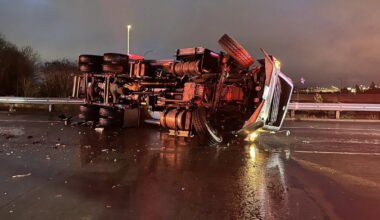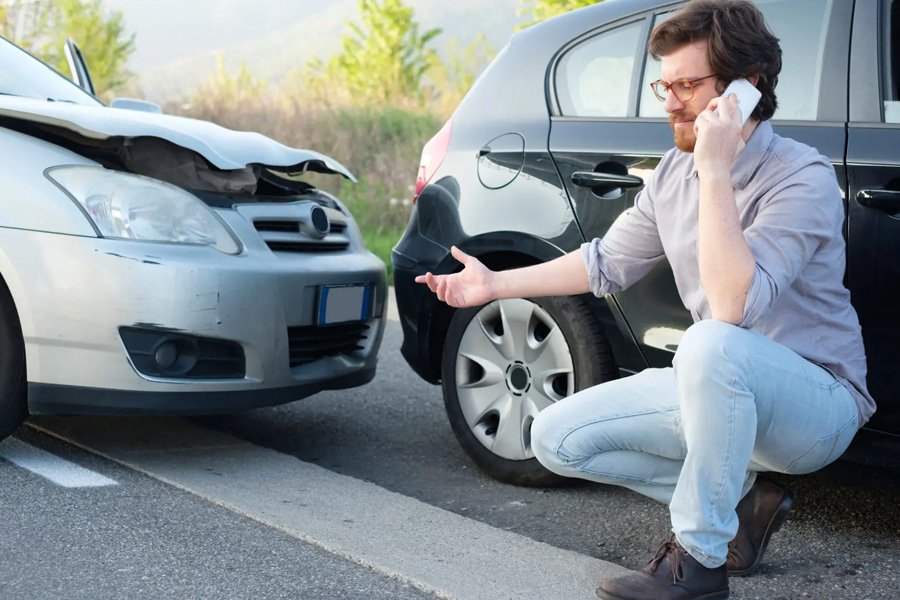
When drivers, insurers, and attorneys disagree about a crash, photographs and witness accounts don’t help much. Accident reconstruction uses physical evidence, vehicle damage, road conditions, timing, and human movement to develop a fact-based explanation. The process can clarify the collision’s speed, direction, braking, visibility, and impact sequence. It also helps separate reliable evidence from assumptions, giving disputed claims a clearer foundation for settlement discussions or courtroom review.
Why Crash Evidence Often Requires More Than Photographs
Vehicle photographs show damage, but they do not automatically explain how the collision occurred. A crushed bumper can result from several impact angles, while a damaged side panel can reflect movement before, during, or after contact.
An accident reconstruction expert studies the complete evidence record. That review can include police reports, scene photographs, vehicle inspections, event data recorder information, surveillance footage, traffic signals, road markings, and debris locations.
Physical evidence also changes over time. Vehicles undergo repairs, damaged parts are discarded, and road conditions change before a later inspection. Victims should consult reliable counsel like Levine and Wiss to ensure early documentation. That then gives the expert a more reliable basis for analyzing the collision.
What Accident Reconstruction Experts Analyze
In most cases, accident reconstruction experts assess the following:
Vehicle Movement and Impact Forces
Experts compare crush patterns, deformation depth, paint transfers, and contact marks across the involved vehicles. Those details can indicate which surfaces came into contact, the direction of force, and whether the vehicles moved upon impact.
Tire marks can show braking, steering, or a loss of control. Their length and location help estimate vehicle movement before impact, although weather, pavement, and tire condition can affect the analysis.
Speed and Timing
Speed analysis relies on evidence such as skid distance, vehicle deformation, roadway grade, electronic data, and video timing. No single measurement always answers the question. Experts compare several evidence sources and identify where the available record supports a conclusion.
Timing also matters when a case involves a traffic signal, a merging vehicle, or a delayed reaction. A reconstruction can examine when each vehicle entered a conflict area and whether a driver had enough time to respond.
Driver Visibility and Perception
A collision may depend on what a driver could see before impact. Experts assess sight distance, lighting, obstructions, vehicle position, weather, and roadway design.
The analysis can address whether a hazard appeared suddenly, whether another vehicle remained hidden, or whether a driver had a clear opportunity to brake or steer. These findings help attorneys evaluate arguments about fault and avoidable action.
How Expert Analysis Supports a Disputed Claim
An expert report helps attorneys review liability with more technical understanding. It can confirm a witness account, expose an unsupported assumption, or show that several explanations are possible.
The report usually outlines the materials reviewed, the methods applied, the calculations performed, and the opinions reached. Clear documentation allows opposing counsel to test the reasoning rather than rely on general impressions.
Experts also prepare demonstrative evidence for depositions, mediation, or trial. Scaled diagrams, timelines, vehicle photographs, and animations can show the sequence more clearly than verbal descriptions alone. Any visual aid must match the underlying evidence and avoid adding details that the record cannot support.
Questions Attorneys Should Ask Before Hiring an Expert
Counsel should first identify the disputed issue. The case may concern speed, lane position, signal timing, visibility, vehicle defects, or the relationship between impact and claimed injuries.
The available evidence should then guide the assignment’s scope. An expert cannot recreate missing information with certainty, so attorneys should preserve vehicles, download electronic data, collect original photographs, and obtain roadway records early.
Experience with similar collision types also matters. A highway sideswipe requires different analysis from a pedestrian impact, intersection collision, or chain-reaction crash. The expert should explain which evidence supports each opinion and flag any assumptions.
Conclusion
Accident reconstruction turns scattered crash evidence into a structured account of vehicle movement, timing, impact forces, and driver visibility. Its value depends on preserved evidence, sound calculations, and opinions that remain within the available record. Attorneys handling disputed cases should arrange early inspections, preserve electronic data, and define the precise issue for analysis. Those steps give settlement discussions and trial preparation a more reliable factual basis.