Key Takeaways
- Liability for private property in California differs from that for public roads.
- Car owners could be liable for damage caused by drivers who use their vehicle with permission.
- Insurance coverage for accidents on private land may depend on the specific policy terms and the determination of fault.
- Property owners may be liable if hazardous conditions on their premises contribute to accidents.
Car accidents can occur anywhere cars travel, including parking lots, private roads, and driveways. While most people associate collisions with public roads, understanding liability in a private property car accident is essential for California drivers. Where an accident occurs influences liability, which coverage applies, and who may ultimately be responsible for damages.
Navigating these incidents can be especially tricky if you loan your vehicle to someone or if the property owner’s negligence is involved. Both insurance policies and state laws offer varying degrees of protection and responsibility depending on the circumstances. Familiarizing yourself with these distinctions is crucial for ensuring proper handling of any claims or disputes that may arise after an accident.
Understanding Liability on Private Property
Liability in California car accidents varies between private property and public roads. Traffic laws mainly cover public roads, but some statutes apply to private property. The owner can be liable if someone they allowed to drive causes an accident, whether on public or private land. For example, if you lend your car to a friend who causes an accident in a parking lot, you might be partly or fully liable. This stems from California’s “permissive use” doctrine. The at-fault driver’s negligence, like failing to yield, can also lead to liability. Insurance companies review property factors and relevant Vehicle Code statutes when investigating liability. In private property collisions, fault determination is often less clear than on public streets.
Insurance Coverage Considerations
Insurance policy coverage for private property collisions can be confusing. Most standard policies will address property damage and bodily injury liability for accidents, whether they occur on public or private property. However, insurance companies may interpret coverage and fault differently depending on your policy and the exact location of the accident. For instance, some policies may limit coverage if the vehicle is used for unauthorized purposes or by excluded drivers.
Additionally, uninsured motorist provisions, damage caps, and the specific process for filing a claim may differ if the event occurred off a public road. This highlights the importance of thoroughly reviewing your individual insurance policy and understanding its exclusions, limits, and obligations for accidents off public streets.
Role of Property Owners
Property owners are obligated to maintain reasonably safe conditions on their premises. If an accident results from hazards such as poor lighting, unclearly marked traffic patterns, or obstacles that restrict views, the property owner may share liability under California’s premises liability law. For instance, someone backing out of a parking spot may hit another car if a large pillar blocks their view—a situation where the owner’s failure to maintain safe conditions can be a contributing factor.
These circumstances can lead to shared or divided liability among drivers and the property owner. Both accident parties and property owners may be subject to claims, depending on the specific details, underscoring the critical need for thorough investigation and documentation after any incident.
Police Involvement in Private Property Accidents
Law enforcement responses to accidents on private property differ from those on public roads, often neglecting minor incidents without injuries. Police typically only intervene in cases of serious injuries, significant property damage, or criminal activities like DUI. This absence of formal reports complicates fault determination and insurance claims, urging individuals to collect objective evidence such as witness statements, photographs, and personal accounts.
Steps to Take After an Accident on Private Property
- Ensure Safety: Check for injuries among all parties involved. Move vehicles out of the traffic flow if you can do so safely.
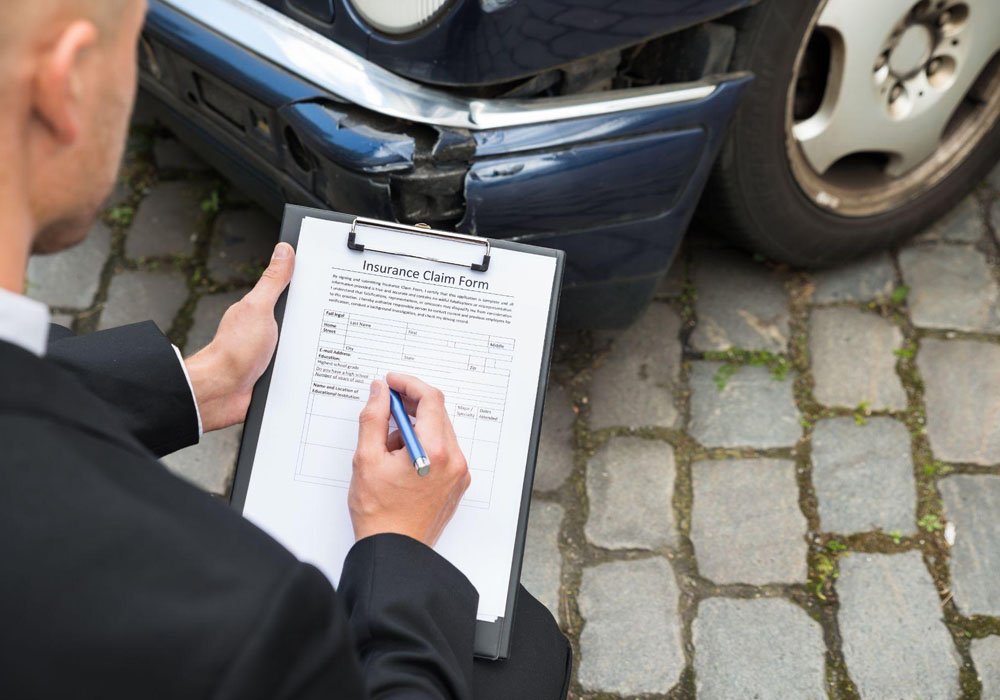
- Document the Scene: Take clear photographs of vehicle positions, damages, relevant environmental factors, and any hazardous conditions on the property. Collect witness contact information if available.
- Exchange Information: Provide and collect insurance, driver’s license, and contact details from everyone involved in the accident.
- Report the Incident: Inform your insurance company promptly. If necessary, notify the property owner or manager about the collision, especially if conditions on their property contributed to the incident.
- Seek Legal Advice: Consulting with a qualified legal professional can help you understand your rights and obligations under both vehicle liability and premises liability laws.
The Nolo provides a detailed overview of what to do after car accidents and is a useful resource for further reading.
Conclusion
Dealing with accidents on private property in California involves an intersection of vehicle liability and property law. Because rules differ from those regulating public roadways, it is important for both car owners and property owners to understand their responsibilities and obligations. Accurate documentation, timely insurance notifications, and knowledge of the relevant legal frameworks all play critical roles in ensuring the proper handling of any private property accident claim. Staying informed and prepared empowers individuals to navigate the aftermath effectively and protect their interests.