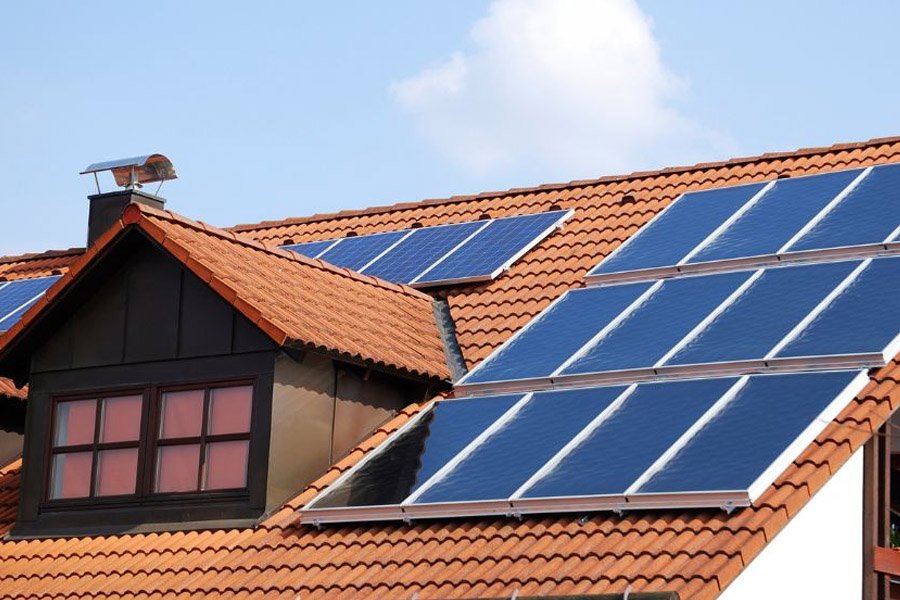
For years, the kitchen was the star of every home showing. Buyers wanted granite countertops, large islands, custom cabinets, and high-end appliances. Real estate agents often highlighted kitchen upgrades first because they knew buyers would immediately notice them. While attractive kitchens still matter, today’s homebuyers are asking a different set of questions when they walk through a property. Instead of focusing solely on finishes and design, many are asking about the HVAC system, solar panels, smart thermostats, energy efficiency, and connected home technology before they even comment on the kitchen.
This shift reflects changing priorities. Rising utility costs, growing awareness of energy efficiency, and the increasing use of smart technology have transformed what buyers consider valuable. Homeowners are no longer thinking only about how a house looks. They are thinking about how it performs. They want homes that are comfortable, efficient, and affordable to operate over the long term. A beautiful kitchen may create a strong first impression, but a high monthly energy bill can quickly turn excitement into hesitation. As a result, buyers are becoming more informed and are evaluating homes through a practical lens that extends far beyond cosmetic upgrades.
Homebuyers Are Thinking About Monthly Costs, Not Just Purchase Prices
One of the biggest reasons for this change is the growing focus on total cost of ownership. Buyers understand that purchasing a home is only the beginning of their financial commitment. Monthly utility bills, maintenance expenses, repair costs, and future upgrades all affect affordability. A home with an outdated HVAC system may require thousands of dollars in repairs or replacement costs within a few years. In contrast, a home with a modern, efficient system can provide immediate savings and peace of mind.
Energy efficiency has become particularly important as utility costs continue to rise in many markets. Buyers want to know whether a home can maintain comfortable temperatures without consuming excessive energy. They ask about the age of the furnace, the efficiency rating of the air conditioner, and whether the home has smart controls that help reduce energy waste. These questions often reveal more about a home’s long-term value than the appearance of a remodeled kitchen.
The emphasis on efficiency is also changing how sellers prepare their homes for market. In the past, repainting cabinets or replacing countertops might have been considered the best investment before listing a property. Today, many homeowners are investing in HVAC upgrades, insulation improvements, and smart home systems because they understand buyers are paying attention to operational performance. These improvements may not be as visually dramatic as a kitchen renovation, but they can have a meaningful impact on buyer confidence and purchasing decisions.
Comfort also plays a major role in the conversation. Buyers increasingly recognize that a home’s comfort level depends heavily on its heating and cooling systems. A stylish home loses much of its appeal if some rooms are too hot in the summer or too cold in the winter. Consistent comfort has become a key selling point.
According to Jeff Jennings, Owner, Strong Heating and Cooling LLC, homeowners are paying closer attention to comfort and efficiency than ever before.
“At Strong Heating and Cooling, I’ve noticed that buyers often ask about the HVAC system before discussing cosmetic upgrades. We recently worked with a homeowner who upgraded an aging system before listing their property, and the home received multiple offers within the first week. Buyers appreciated knowing they would not face a major replacement expense after moving in. I’ve found that people want confidence that their home will be comfortable, reliable, and efficient from day one.”
His experience reflects a broader trend. Buyers are looking for homes that minimize surprises and reduce future expenses. Knowing that a critical system has been properly maintained can significantly increase a property’s appeal.
Energy Independence Is Becoming a Major Selling Point
Another reason buyers are asking about solar systems earlier in the process is the desire for greater control over energy costs. Solar energy was once viewed as a niche feature, but it has become increasingly mainstream. Many buyers now see solar panels as a long-term investment rather than an optional upgrade.
Solar systems can reduce electricity costs, improve energy resilience, and help homeowners manage rising utility rates. In some markets, buyers actively search for homes with existing solar installations because they want immediate savings and environmental benefits. For younger buyers especially, sustainability often influences purchasing decisions alongside traditional financial considerations.
The conversation has also expanded beyond solar panels themselves. Buyers want to understand how energy systems work together. They ask whether solar production supports household demand, whether battery storage is available, and whether smart energy management tools are included. These questions reflect a more sophisticated understanding of home performance than many buyers demonstrated a decade ago.
The integration of multiple home systems has become increasingly important as homeowners seek greater efficiency and convenience. Rather than viewing solar, HVAC, electrical infrastructure, and smart technology as separate upgrades, buyers now see them as parts of a connected ecosystem that influences comfort, costs, and property value.
Joseph Melara, Chief Operating Officer, Truly Tough Contractors, believes this shift reflects a broader evolution in how homeowners evaluate properties.
“At Truly Tough Contractors, we see buyers asking more detailed questions about solar, electrical capacity, HVAC performance, and energy efficiency during property evaluations. I recently worked on a modernization project where integrated upgrades reduced projected energy consumption by nearly 35 percent. Buyers immediately recognized the value because they understood how these systems would impact their monthly expenses and overall comfort. Today’s homeowners are looking beyond appearances and focusing on how a property performs every day.”
His observation highlights an important reality. Modern buyers are increasingly interested in systems that deliver measurable benefits over time rather than features that simply look attractive during a showing.
Smart Home Technology Has Moved From Luxury to Expectation
The rapid adoption of smart home technology has also changed buyer expectations. Features that once felt futuristic are now common in many households. Smart thermostats, video doorbells, connected security systems, automated lighting, and energy monitoring tools have become part of everyday life.
For many buyers, these technologies represent convenience, security, and efficiency. A smart thermostat can automatically adjust temperatures based on occupancy patterns. Connected lighting systems can reduce energy consumption. Smart security devices provide peace of mind whether homeowners are at work, on vacation, or simply away for the day.
The growing popularity of remote work has accelerated this trend. People are spending more time at home and want environments that are comfortable, efficient, and easy to manage. Smart technology helps homeowners control key systems from their phones while also providing valuable information about energy usage and system performance.
These features are especially attractive because they often work alongside energy-efficient systems. A high-efficiency HVAC unit paired with a smart thermostat can generate noticeable savings while maintaining comfort. Buyers increasingly understand these benefits and actively seek them during their home search.
Real estate professionals have noticed that technology-related questions now arise much earlier in the buying process than they did just a few years ago. Instead of asking whether a kitchen was remodeled recently, buyers may first ask whether the home has smart controls, energy-efficient equipment, or solar infrastructure already in place.
Ryan Nelson, Founder, RentalRealEstate, has observed this trend from both an investor and property ownership perspective.
“After more than fifteen years in real estate investing, I’ve watched buyer priorities evolve dramatically. A decade ago, conversations centered on finishes and curb appeal, but today many buyers immediately ask about energy efficiency, smart home systems, and operating costs. In several properties we’ve upgraded with smart technology and energy-saving improvements, tenant demand increased and vacancy periods decreased noticeably. Buyers and renters alike are looking for homes that deliver long-term value, not just visual appeal.”
His experience demonstrates how technological improvements can influence both marketability and property performance. Buyers increasingly view smart features as practical tools rather than luxury additions.
The Future of Home Value Is Performance-Based
The housing market is entering an era where performance matters as much as appearance. While kitchens, bathrooms, and design upgrades remain important, buyers are placing greater emphasis on how a home functions. They want efficient systems, predictable costs, reliable comfort, and technology that simplifies daily life.
This shift does not mean aesthetic improvements have lost their value. Rather, buyers are broadening their evaluation criteria. A beautiful kitchen may attract attention, but a modern HVAC system, lower utility bills, and integrated smart technology often help close the deal. These features address concerns that affect homeowners every month, making them increasingly influential in purchasing decisions.
Builders, contractors, and homeowners who recognize this trend are positioning themselves ahead of the market. By investing in performance-focused improvements, they can create properties that meet the expectations of today’s informed buyers. As awareness of energy efficiency and smart technology continues to grow, these features are likely to become even more important.
Conclusion
The days when buyers focused almost exclusively on kitchens and cosmetic upgrades are fading. Today’s homebuyers are thinking about comfort, efficiency, sustainability, and long-term affordability. They want homes that work smarter, cost less to operate, and provide greater control over everyday living.
The insights from Jeff Jennings, Joseph Melara, and Ryan Nelson illustrate how buyer priorities are evolving across the housing market. HVAC systems, solar installations, and smart home technology are no longer secondary considerations. They have become key decision-making factors that influence how buyers evaluate value and performance.
The lesson is clear: modern homebuyers are looking beyond appearances. They are investing in homes that offer comfort, efficiency, and long-term benefits. In many cases, the conversation now starts with the systems behind the walls long before it reaches the kitchen countertops.