When it comes to building custom homes, success is measured not only by design and craftsmanship, but also by structural integrity and long-term durability. While homeowners often focus on architectural style, finishes, and interior selections, the groundwork that makes all of these choices possible begins long before the first wall is framed. At the heart of this foundation is the work of professional concrete contractors. Their expertise plays a critical and often underappreciated role in enabling custom home builders to deliver high-quality, long-lasting homes that stand strong for decades.
Laying the Structural Foundation
Concrete contractors are responsible for one of the most essential stages in the construction process: building the foundation. For custom homes, foundations must be tailored to unique architectural plans, soil conditions, and site elevations. Unlike production homes, which often rely on repeated layouts, custom home projects require precise and adaptable planning.
The foundation must be perfectly leveled, structurally sound, and reinforced according to engineering requirements. Errors at this stage can result in uneven floors, water intrusion, shifting structures, or long-term safety concerns. Skilled concrete contractors bring the technical knowledge and practical experience needed to avoid these costly issues. Their accuracy ensures that framers, builders, and finishing trades can perform their work without structural complications.
Supporting Complex Architectural Designs
Custom homes frequently incorporate unique layouts, multiple elevation levels, specialty rooms, outdoor living spaces, and custom garages. These features require concrete work that goes beyond standard slab pours. For example, modern homes may include polished concrete floors, retaining walls, decorative driveways, basements, and engineered footings for multi-story builds.
Concrete contractors assist home builders by interpreting architectural and structural plans, ensuring that each component is executed according to specification. Their ability to customize solutions allows builders to offer homeowners greater freedom in design without compromising safety or feasibility.
Addressing Soil and Site Challenges
Every building site is different. Soil composition, slope, drainage patterns, and climate can significantly impact structural integrity. Concrete contractors evaluate these environmental factors before foundation work begins and collaborate with engineers to determine the correct approach.
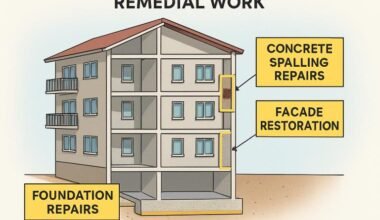
On sloped lots, for instance, contractors may need to install retaining walls, stepped footings, or reinforced slab systems to stabilize the home. In areas with clay or expansive soils, moisture control and slab reinforcement become critical. These considerations are especially important for custom homes, which are often built on individually purchased or irregularly shaped lots rather than uniform subdivisions. Skilled concrete teams help builders navigate these variables, reducing risk and ensuring compliance with local building standards.
Ensuring Proper Drainage and Moisture Protection
Water is one of the greatest threats to a home’s structure. If drainage is not properly addressed during foundation preparation, homeowners may experience water intrusion, mold growth, basement leaks, or structural deterioration. Concrete contractors implement solutions such as grading, vapor barriers, perimeter drains, and waterproof coatings to direct water away from the home and prevent moisture buildup.
This stage of construction is rarely visible to homeowners once completed, but it has one of the largest long-term impacts on the home’s performance. Custom home builders rely on concrete professionals to ensure that these systems are installed correctly, helping protect both the structure and homeowner investment.
Collaboration Throughout the Construction Timeline
Although concrete work is often viewed as a single phase, concrete contractors frequently participate at multiple stages throughout the build. In addition to foundations, they may assist with:
- Basement and crawl space slabs
- Garage slabs
- Driveways and sidewalks
- Patios and outdoor living spaces
- Decorative or stamped concrete elements
- Retaining walls and landscape structures
This ongoing collaboration helps builders maintain schedules, coordinate subcontractors, and manage inspections. Concrete contractors who understand the broader building workflow can sequence their work efficiently, helping avoid delays that could impact other trades such as framers, masons, electricians, and landscapers.
Quality, Compliance, and Safety Standards
Concrete work is tightly regulated by building codes and engineering requirements. Load-bearing capacity, reinforcement placement, curing times, and material quality must meet strict standards to ensure strength and safety. Experienced concrete contractors understand these codes and work closely with inspectors, engineers, and builders to ensure compliance.
Safety is another major component. Concrete is heavy, fast-setting, and requires specialized tools and equipment to handle properly. Contractors protect both workers and job sites by following safety protocols and minimizing hazards during pouring, finishing, and curing stages.
Enhancing Home Value and Longevity
A well-built home begins with a strong foundation, and homeowners benefit significantly from quality concrete work. Properly installed foundations and structural systems help prevent costly repairs down the road, increase energy efficiency, reduce moisture problems, and ultimately boost property value. For custom home builders, partnering with skilled concrete contractors helps ensure that their craftsmanship is supported by strong structural performance.
Conclusion
Custom home building is a complex process that requires collaboration among professionals with specialized expertise. Concrete contractors play one of the most foundational roles in this team—literally and figuratively. From soil assessment and foundation installation to structural support and finishing work, their contribution impacts the safety, quality, and longevity of the home. For this reason, successful custom home builders consistently rely on experienced, detail-oriented concrete contractors as essential partners in the construction journey.