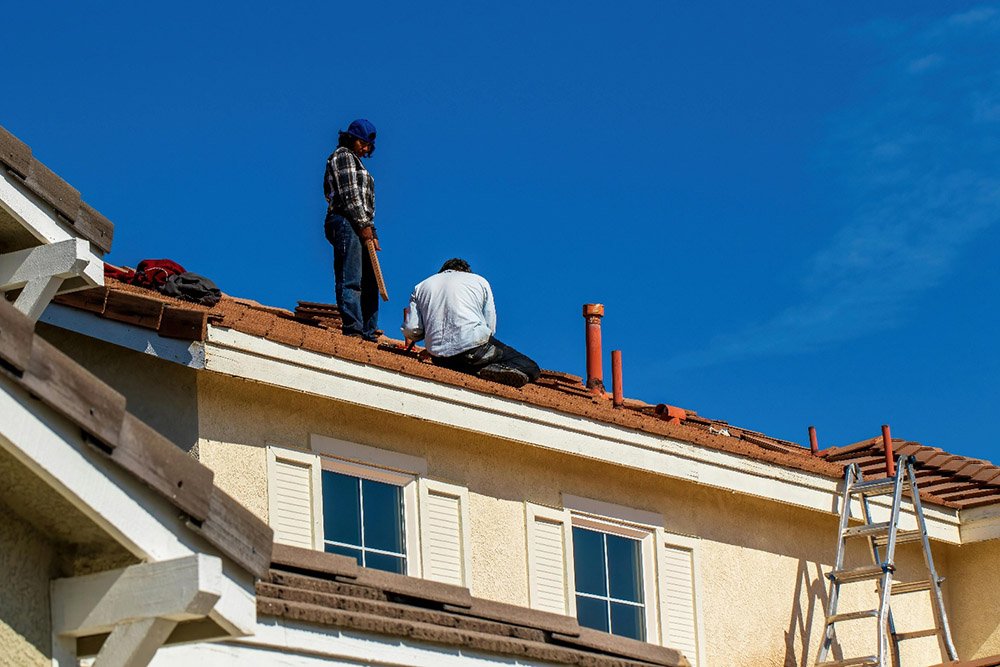
The upstairs room usually tells the truth first. It gets too hot in summer, too cold in winter, and nobody can quite explain why the thermostat never seems to help much. People blame insulation, windows, even the HVAC system, but older roofs quietly create a lot of these comfort problems long before visible leaks ever show up. By the time water stains appear on a ceiling, the roof has often been struggling for years.
In Cincinnati, changing weather patterns put steady pressure on residential roofs almost year-round. Heavy rain, humid summers, ice buildup in colder months, and sharp temperature swings slowly wear roofing materials down in ways homeowners do not always notice immediately. A roof can still look acceptable from the street while moisture and heat problems build underneath. That gap between appearance and condition catches people off guard pretty often.
The House Starts Feeling Different Before the Roof Fully Fails
Older roofs usually make the house feel off before they actually fail. One room stays hotter than the others, energy bills creep upward, and the attic starts holding heat longer than it should after warm days. People live with it because nothing seems urgent yet. The changes happen slowly enough to blend into normal life.
Meanwhile, worn shingles and weak ventilation keep letting moisture and outside air slip through small gaps. Heating and cooling systems pick up the extra workload. More homeowners are paying attention earlier now because buyers, inspectors, and insurance companies tend to notice roof condition faster than they used to.
For this reason, homeowners now start looking for reliable Cincinnati roof replacement services earlier in the process than before. People are looking into replacement options while the roof is still functional, rather than waiting for major leaks or structural issues. In many cases, replacing an aging system becomes less about emergency repair and more about protecting comfort, resale value, and long-term maintenance costs before they spiral upward.
Energy Loss Adds Up Quietly
People usually notice rising utility bills before they connect those costs to the roof itself. It makes sense because roofs are out of sight most of the time. Attention goes toward windows, appliances, or HVAC systems first. Meanwhile, damaged roofing materials and weak ventilation continue to allow heat transfer that should not be happening.
During warmer months, attic spaces can trap excessive heat when ventilation stops working correctly. That heat settles downward into living areas, forcing air conditioning systems to run longer cycles. In colder weather, the opposite happens. Warm indoor air escapes through weak spots near the roof structure, which makes heating systems work harder to maintain stable temperatures.
None of this happens overnight. The process is slow enough that homeowners adapt to it without realizing. A bedroom that always feels warmer than the rest of the house starts seeming normal. A second floor that stays chilly in winter becomes part of the routine. People adjust instead of questioning why the imbalance exists.
A newer structure often improves comfort in ways homeowners do not expect immediately. Temperatures become more consistent. HVAC systems cycle more evenly. The house simply feels less strained, although people sometimes struggle to describe the difference clearly.
Water Damage Rarely Stays Small
Moisture is where aging roofs become expensive. Small leaks rarely remain isolated because water moves unpredictably once it enters a structure. It spreads through insulation, wood framing, drywall, and attic spaces before becoming visible inside the home. By the time stains appear on ceilings or walls, moisture has usually traveled farther than expected.
This is one reason roof issues tend to create secondary problems. Mold growth becomes more likely in damp areas with limited airflow. Wood rot develops slowly around roof decking and support structures. Insulation loses effectiveness after repeated exposure to moisture. Repairs that could have stayed relatively contained become larger projects because hidden damage kept spreading quietly.
People often underestimate how long a leak may have existed before becoming visible indoors. Water can move through small openings for months during storms before obvious signs appear inside living spaces. That delay creates a false sense of security. Homeowners assume the problem just started when really the roof has been weakening for a long time.
Buyers Notice Roof Condition Faster Than Before
Real estate markets changed the way buyers look at homes. People research properties more carefully now because repairs and renovations cost more than they used to. Roof condition carries more emotional weight during home tours, too, even for buyers who know very little about construction. A visibly aging roof makes buyers nervous because they immediately calculate future expenses in their heads. They start wondering about leaks, insurance issues, and hidden maintenance costs. Even if the rest of the home looks updated, an old roof changes how secure the property feels overall.
Newer roofing systems tend to improve curb appeal naturally because the house appears more maintained from a distance. Buyers respond to that, although sometimes indirectly. They associate roof condition with general upkeep. A home with a recently replaced roof often feels safer and less risky before anyone steps inside.
There is also the practical side. Appraisers and inspectors pay attention to roof age because it affects long-term property condition. Insurance companies have become stricter, too, in some areas, especially regarding older roofing materials. Homeowners sometimes discover these issues late in the selling process, which creates stress nobody planned for.
Comfort Changes Daily Life More Than People Expect
People think about roofs as structural protection first, which makes sense, but comfort affects daily life more consistently. Better indoor temperature control changes how rooms get used. Bedrooms feel more stable at night. Upstairs areas stop becoming unbearable during summer afternoons. HVAC systems run less aggressively, which also reduces noise inside the home.
There is a mental side to this, too. Houses feel different when people stop worrying about storms exposing another leak or causing more water damage. Constant maintenance concerns create background stress that homeowners eventually get tired of carrying around. That part rarely gets discussed directly, although it matters.
Replacing an aging roof is expensive, obviously. Most homeowners delay it for understandable reasons. Still, old roofs tend to cost people in smaller ways long before complete failure happens. Higher utility bills, uneven indoor temperatures, recurring repairs, moisture problems, and reduced buyer confidence slowly build over time.