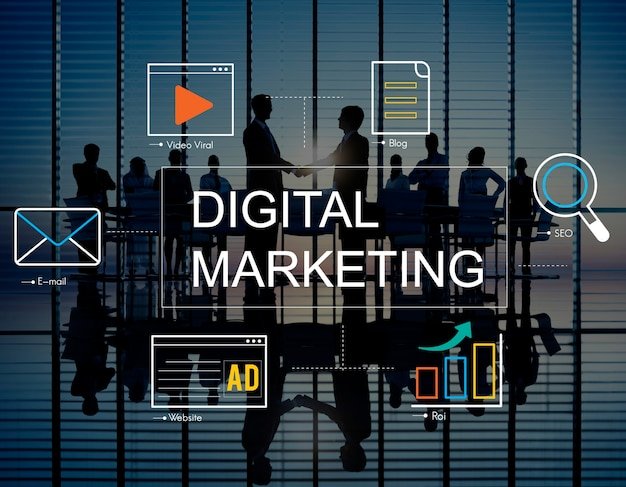
Investing in digital marketing services helps businesses increase online visibility, attract targeted audiences, and measure marketing performance more effectively. These strategies allow companies to reach potential customers where they already spend time online.
Many organizations use digital marketing services to improve search rankings, strengthen brand awareness, and connect with customers through platforms such as search engines, social media, and websites. This approach helps businesses reach people who are actively looking for products or services.
When businesses consistently apply digital marketing strategies, they can improve customer engagement and support long-term business growth.
1. Increased Online Visibility
One of the biggest benefits of digital marketing is better online visibility. When a business appears in search results, social platforms, or online ads, more people become aware of it.
Search engines often serve as the first place people look for information. Businesses that appear in these results have a stronger chance of attracting new customers.
Consistent online visibility helps build brand familiarity. Over time, this makes a business easier for people to recognize and trust.
2. More Targeted Audience Reach
Traditional marketing often sends the same message to a wide audience. Digital marketing allows businesses to reach people who are more likely to be interested.
Online campaigns can focus on factors such as location, interests, and browsing behavior. This means the message reaches users who already show interest in similar services.
Targeted marketing reduces wasted effort. Businesses spend their resources on audiences that are more likely to respond.
3. Measurable Marketing Results
One advantage of digital marketing is the ability to track performance clearly. Businesses can see how people interact with their campaigns.
Common metrics include website visits, clicks, and conversions. These numbers help companies understand what attracts customers.
Clear data allows businesses to adjust their strategies. If one campaign performs better than another, the marketing plan can change quickly.
4. Flexible and Cost-Effective Strategies
Digital marketing offers flexibility that many traditional methods do not provide. Businesses can start with small campaigns and increase budgets when results improve.
Online platforms allow marketers to control spending and adjust campaigns at any time. This makes marketing more manageable for companies with limited budgets.
Even smaller businesses can compete online with larger organizations. A strong strategy often matters more than a large advertising budget.
5. Stronger Customer Relationships
Digital marketing also improves communication between businesses and customers. Online platforms create opportunities for direct interaction.
Companies can answer questions, respond to feedback, and share useful updates. These interactions help customers feel more connected to the brand.
Over time, this connection builds trust. Customers who trust a brand are more likely to return.
6. Long-Term Business Growth
Digital marketing supports long-term development rather than only short-term promotions. Consistent online activity helps businesses remain visible to potential customers.
Content, search optimization, and online engagement work together over time. This creates steady growth rather than temporary results.
Businesses that maintain an active online presence often build stronger brand recognition. This recognition can influence future customer decisions.
Comparing Traditional Marketing and Digital Marketing
Businesses often compare traditional advertising with digital strategies. Each approach offers different advantages.
Traditional marketing includes television ads, radio spots, and printed materials. These methods can reach large audiences but are harder to measure.
Digital marketing focuses on online platforms where results can be tracked. Businesses can analyze data and adjust strategies more easily.
Steps to Take When Starting Digital Marketing
Businesses often begin digital marketing with a simple plan.
- Define clear marketing goals such as increasing website visits or generating leads.
- Identify the target audience and understand where they spend time online.
- Choose suitable platforms such as search engines, social media, or email marketing.
- Create useful content that answers customer questions or provides helpful information.
- Review performance regularly and adjust campaigns based on the results.
Following these steps helps businesses develop a structured marketing strategy.
Key Takeaways
- Digital marketing helps businesses reach customers through online platforms.
- Strong online visibility makes it easier for people to discover a business.
- Targeted campaigns help businesses reach the right audience.
- Marketing performance can be measured using clear data and analytics.
- Online engagement helps build stronger relationships with customers.
- Flexible budgets make digital marketing accessible to many businesses.
- Consistent strategies support steady business growth over time.