Choosing where to spend your time in Egypt can seem like a daunting task when every ancient site promises stories older than memory. You seek places that feel meaningful rather than rushed, but you also want to go to places where the history feels personal. Moreover, you want moments that bring you closer to the people who shaped Egypt and not just to its monumental structures.
With so many legendary landmarks to choose from, it is hard to narrow down your choices. You are hoping to be able to find a destination that offers you a sense of calmness, depth, and a sense of discovery without the pressure of large crowds or fast-paced touring. As you consider the possibilities, one place stands out from the rest, both for its intimate atmosphere and its rich heritage. The Valley of the Queens provides exactly this balance to explore a royal world constructed by devotion, art, and family ties.
This article will take you through that remarkable place and show you why it deserves a place in your journey.
1. Hidden Sanctuary For Egypt’s Royal Women
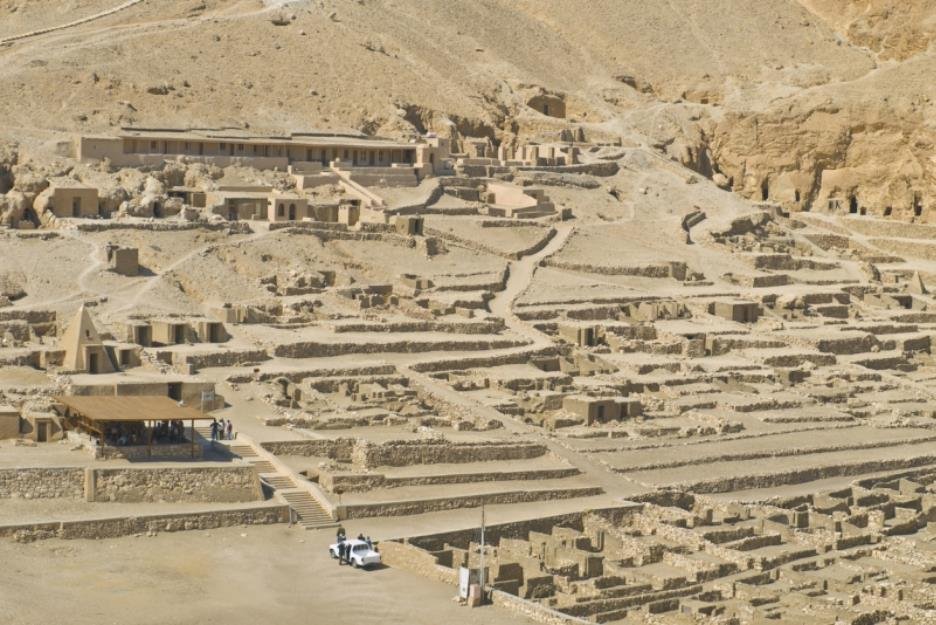
When you enter the Valley of the Queens, you enter a secluded basin shaped for the royal families of the New Kingdom. Although many travelers immediately think of the Valley of the Kings, this site has a different beauty. Its cliffs form a sheltered space that once protected more than ninety tombs of queens, princes, and great women who were related to the pharaohs.
As you walk deeper into the valley, you begin to understand why ancient Egyptians selected this location. The west bank of Luxor represented the land of the dead, and the setting sun reinforced the spiritual journey into eternity. Builders carved the tombs into rock, believing that protection and isolation would help the queens on their way to the afterlife.
The calmness of the valley invites slow exploration. Its silence provokes you to pay attention to the land, the shadows, and the structure of the cliffs, creating a meaningful introduction to the stories waiting for you inside its tombs.
2. Tomb Of Nefertari And Art of Eternal Life
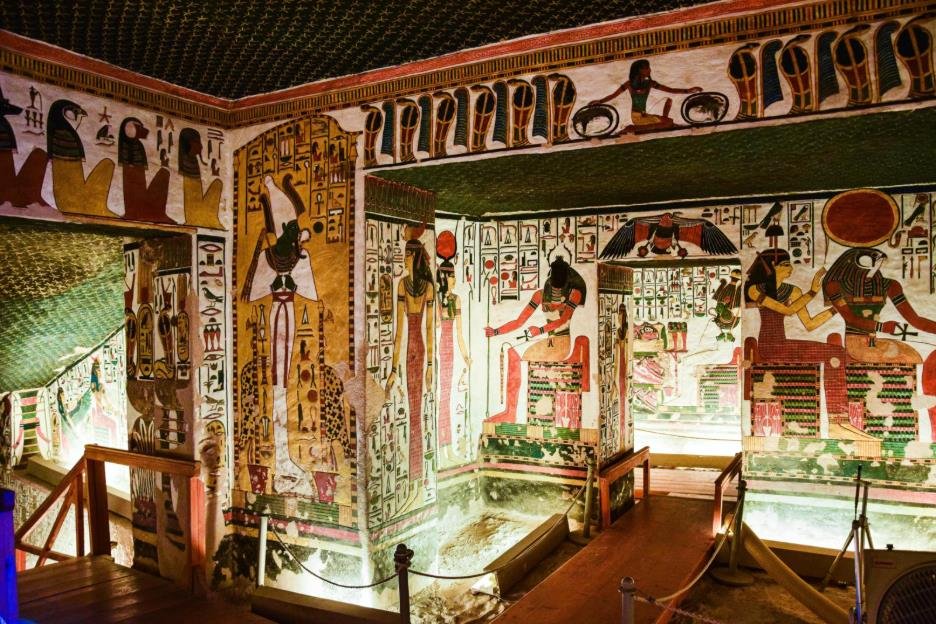
As you continue exploring, the valley takes you to the most famous treasure, the Tomb of Nefertari. Known for its extraordinary artwork, this tomb reflects the love that Ramses II had for his queen. Every wall displays vivid paintings depicting her journey through the afterlife, accompanied by deities who protect and guide her along the way.
Even after thousands of years, the colors are still striking due to careful conservation. Scenes include Nefertari interacting with gods such as Hathor and Isis. The fine detail, smooth outlines, and symbolic messages reveal the skill of artisans who worked during the Nineteenth Dynasty. Entering the chamber feels like walking into a preserved masterpiece, and the beauty makes a lasting impression.
3. Personal Stories Carved In Stone
As you walk from one tomb to the other, you begin to appreciate how the valley provides an insight into the emotional and domestic side of royalty. Several chambers belong to princes who died young. Their tombs combine a sense of honor and tenderness and reveal protective gods leading them towards rebirth. These scenes help you imagine the personal experiences behind the palace walls.
Other tombs are of noblewomen and lesser queens whose names are written in inscriptions that help historians reconstruct royal lineages. Some of the chambers have decorated walls, while others are simple but meaningful. Even undecorated tombs provide context about burial customs, available resources, and the different roles that women played in the royal household.
As you follow motifs repeating again and again, you get an idea of how much the Egyptians valued their preparation for eternal life. Symbols of shelter are all over various tombs and strengthen the themes of guidance and rebirth. These specifics help you relate to the people living and loving life within the royal family.
The valley becomes more than an archeological site. It becomes a collection of intimate stories preserved within stone corridors.
4. Landscape That Preserves Memory And Meaning
The valley is surrounded by the natural environment that further enhances your experience. Its location is in a rough hollow surrounded by steep cliffs, which protect the tombs against the extreme weather. These structures enhanced the symbolic meaning of the west, which symbolized the transition between life and death.
Looking around, you see that the scenery has some minor details. The light moves over the rock surfaces, creating patterns that vary during the day. The wind in the desert has a silent rhythm that adds a spiritual ambience to the valley. These things allow you to visualize how this place was regarded by ancient constructors and families as the gateway to the afterlife.
By respecting guidelines and walking mindfully, you support the ongoing protection of a site that has survived thousands of years.
Conclusion
As you reflect on your visit, the significance of this royal sanctuary becomes clear. The valley provides a personal view of ancient life by highlighting the women and children who influenced Egypt’s royal legacy. Each tomb adds layers of meaning, whether through art, architecture, or symbolic detail. Together, they create a narrative that feels intimate and revealing.
The quiet terrain encourages slow discovery, allowing you to absorb the connection between belief, nature, and craftsmanship. Preservation work reminds you that these stories survive because they are cared for, and this adds appreciation to the experience.
When you include this necropolis in your journey, you gain more than historical knowledge. You gain a deeper sense of the people who shaped Egypt’s most powerful eras. This connection stays with you long after you leave Luxor.