Home maintenance gets easier when every task has a clear reason. The smartest priority is simple: protect people, then protect the building, then protect your budget. Problems that create danger or fast-moving damage belong at the top of the list. Water issues, electrical warning signs, and anything that compromises the roof or structure deserve immediate attention.
Routine care for major systems comes next, since neglect shortens equipment life and raises monthly costs. After those essentials are covered, decorative updates feel less urgent and more enjoyable because the home is already stable.
Safety first: Fix anything that can harm people
Safety repairs should never sit on a “someday” list. A loose stair rail, a missing smoke alarm battery, or a malfunctioning outlet can turn into an emergency without much warning. Start with the basics: confirm smoke and carbon monoxide alarms are working and placed where they should be. Replace alarms that have reached the end of their service life, since older units can fail quietly.
Electrical concerns need quick attention, even when they seem minor. Outlets that feel warm, breakers that trip repeatedly, or lights that flicker often point to underlying issues that can worsen.
Secure entry points: Doors, locks, lighting, and garage access
Home security starts with strong, functional entry points. Exterior doors should shut firmly and use solid deadbolts with reinforced strike plates. Proper lighting adds another layer of safety, especially around front doors and driveways, where motion-activated lights improve visibility and discourage unwanted access.
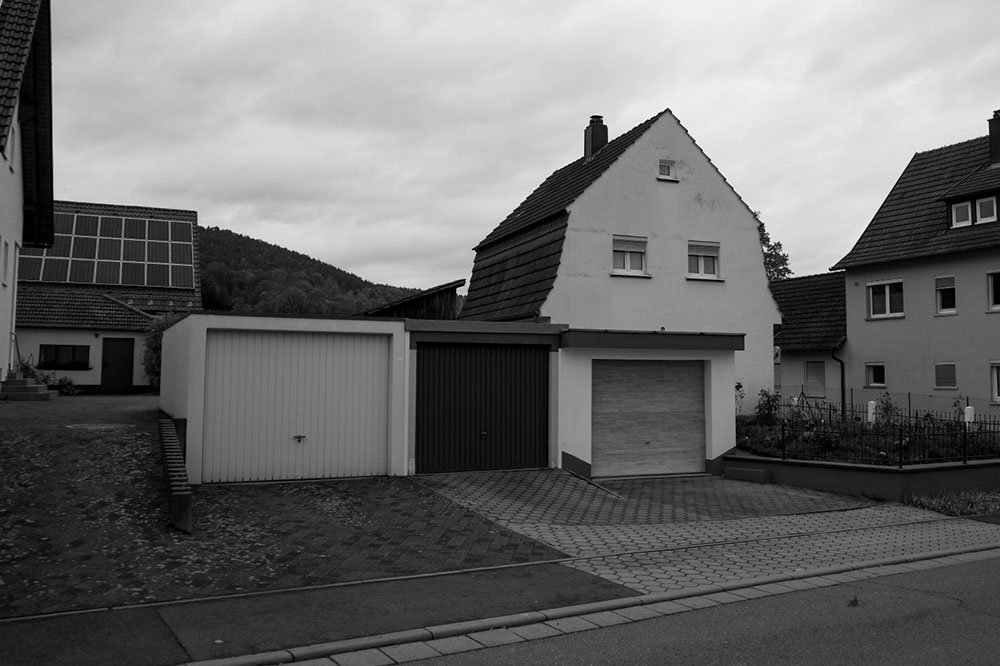
Garage access often goes unnoticed, though it’s a major entry route. The door should operate smoothly, with working safety sensors and updated keypad codes. If you’re upgrading your home’s access and security, improving your garage entry is a smart next step. Many homeowners sometimes choose to buy openers for overhead garage door systems that deliver reliable performance and simple maintenance. You can also choose a reliable garage door opener with rolling-code security for smoother access and better protection.
Stop water now: Leaks, drainage, and moisture control
Water damage is one of the fastest ways to turn a manageable repair into a major expense. A slow drip under a sink can warp cabinets and flooring, and a small roof leak can ruin insulation and drywall long before it becomes obvious.
Drainage is just as important as indoor plumbing. Gutters should stay clear so water flows away from the roofline instead of spilling onto siding and pooling near the foundation. Downspouts should send water away from the house, not dump it at the base of the wall. Pay attention after heavy rain.
Protect the structure: Roof, foundation, and exterior envelope
Structural protection keeps the home strong and predictable. Roof issues, in particular, rarely improve on their own. Missing shingles, lifted flashing, and damaged vent seals create entry points for water and wind. Repairs here often cost far less when handled early, especially before a storm turns a weak spot into a larger failure.
The exterior envelope also includes siding, trim, and window sealing. Rotting wood should be repaired quickly because it spreads, attracts pests, and weakens the surface it’s attached to. Paint and sealant are not just cosmetic.
Keep the home functional: HVAC, electrical, and plumbing health checks
Major systems deserve steady attention because emergencies are expensive and disruptive. HVAC maintenance starts with basic airflow. Filters that clog restrict performance and strain the system, so regular replacement helps the equipment run more smoothly. Outdoor units also need breathing room, so clearing leaves and debris improves efficiency and reduces wear.
Plumbing health checks often come down to noticing changes. Water pressure shifts, slow drains, and unusual noises can point to developing issues. Water heaters should be monitored for leaks, corrosion, or inconsistent heating.
Prevent pests and hidden damage: Small gaps create big problems
Pest prevention sits in a useful middle zone. It feels less urgent than a roof leak, yet it protects the home from expensive surprises. Rodents and insects look for warmth, food, and easy entry, and they often get in through small gaps that are hard to notice during day-to-day life. Once inside, the damage can spread through insulation, stored items, and even wiring.
Start with a slow walk around the exterior. Look for openings near utility lines, dryer vents, hose bibs, and the edges of siding. Seal gaps with materials that match the situation, since some fillers break down outdoors or can be chewed through. Door sweeps and weatherstripping also matter, especially at garage service doors and back doors that see heavy use. Window screens should stay intact, and any torn mesh should be replaced before warmer months bring more insects.
Plan smart upgrades: Energy efficiency and comfort that pay off
Once safety and damage prevention are under control, energy and comfort upgrades start to make sense. These projects work best when they build on a solid foundation. Air sealing, insulation, and basic efficiency upgrades can lower bills and make the home feel more even from room to room.
Air leaks are a good first target since they are common and easy to address. Drafts around doors, windows, attic hatches, and pipe penetrations let conditioned air escape and outdoor air creep in. Sealing these areas improves comfort quickly, especially during extreme heat or cold. Weatherstripping and door sweeps also help, and they tend to deliver a noticeable difference without major disruption.
Save cosmetic projects for later: Paint, fixtures, and finishes
Cosmetic updates feel rewarding, and they help the home look cared for. Timing matters, though. Paint, flooring, and fixture swaps hold up best when the home is dry, stable, and free of hidden issues. Cosmetic work can also hide early warning signs, so it pays to solve the underlying problems first.
Paint is a good example. Fresh paint looks great, yet peeling usually signals moisture, poor prep, or failing surfaces underneath. Correct the cause, then paint becomes a long-lasting finish instead of a temporary cover-up. Flooring follows the same logic. New floors installed over a damp subfloor or a lingering leak can buckle, stain, or develop odors.
A dependable maintenance plan comes down to one habit: choose work based on risk and consequences. Safety issues and active damage get immediate attention, especially anything involving water, electricity, or structural protection. System maintenance comes next because it prevents breakdowns and protects against monthly costs.
Pest prevention and energy upgrades follow once the home is stable, and cosmetics become the final layer that makes everything feel finished. When each task has a purpose and a place in the order, home maintenance stops feeling chaotic and starts feeling manageable.