Backyards, in today’s time, earn their place in family life without much ceremony. One activity spills outside, then another, and suddenly the yard starts pulling real weight in the daily routine. It becomes the place where time stretches a little longer, and rules feel a bit softer. Shoes come off. Conversations linger. The space starts absorbing moments that used to happen indoors, simply because it can.
What makes backyards especially useful is their ability to shift roles without protest. The same space can feel calm one hour and lively the next. Families lean into that flexibility once they realize the yard does not need to be perfect or purpose-built to be useful. It just needs to be welcoming enough to support whatever the day brings, which is rarely just one thing.
Temporary Overnight Use
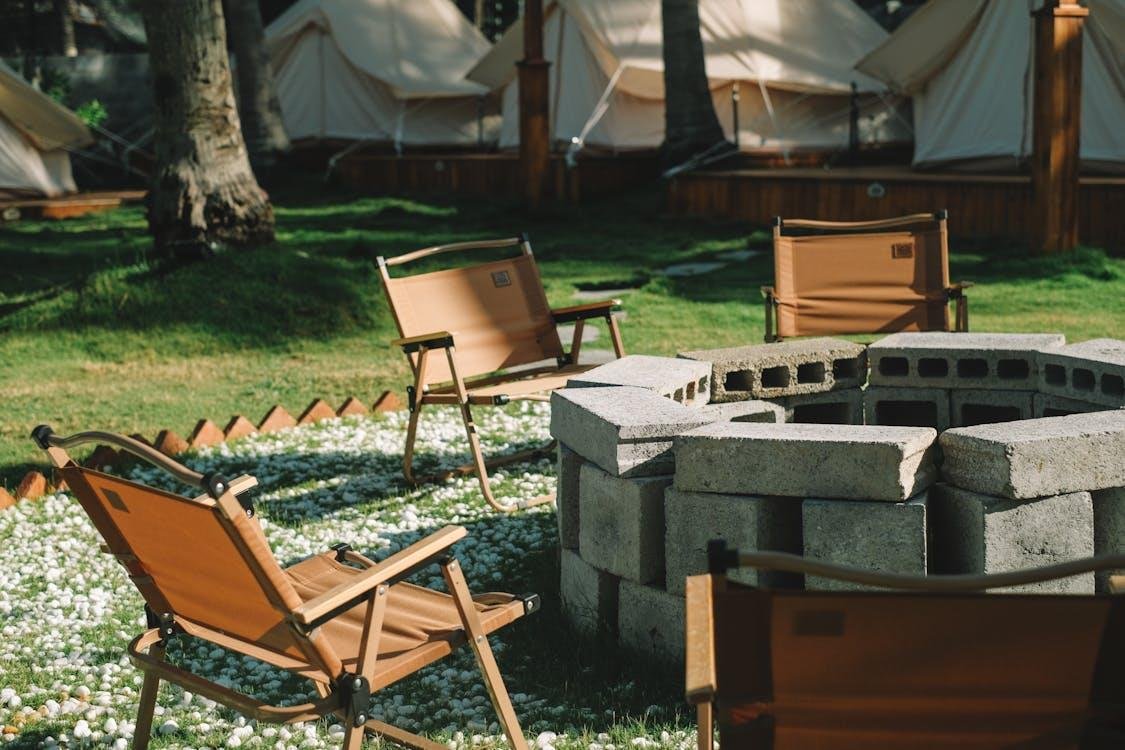
Some families discover overnight backyard use almost by accident. A late movie runs long, a cool evening feels inviting, or kids push the idea of sleeping outside just once. The appeal is less about novelty and more about the ease of turning the backyard into something new for a night. No packing. No driving. Just a familiar space doing something different for a few hours.
This ease is why temporary setups matter. Families want overnight use that feels special without changing the backyard permanently. Portable structures like a wall tent can prove useful here. Purchasing from the Wall Tent Shop allows families to choose flexible, durable setups that support overnight backyard use without committing to permanent structures. The backyard keeps its everyday identity while still offering room for those memorable, slightly spontaneous nights that families tend to remember long after.
Work-From-Home Overflow
As work schedules change, many families start viewing the backyard as a pressure-release valve during the day. When indoor spaces feel crowded or noisy, stepping outside creates instant breathing room. The shift feels refreshing rather than disruptive. Work still gets done, just in a space that feels lighter and less boxed in.
As such, outdoor work becomes part of the routine rather than a backup plan. Certain hours feel right for it. The backyard supports focus while staying connected to the household. Laptops close, work ends, and the same space transitions back into family use without effort.
Informal Outdoor Dining
Meals often mark the moment when families realize the backyard has quietly become essential. Eating outside stops feeling like an event and starts feeling like a habit. Lunches drift outdoors. Dinners follow on pleasant evenings.
This regular use shapes how families treat the space. Chairs stay accessible. Tables stay ready. Paths stay clear because they get used often. The backyard becomes a place where food, conversation, and downtime overlap naturally, reinforcing its role as a true extension of the home.
Gardening as Dual-Purpose Space
Gardening offers something hands-on without demanding isolation. People move between tending plants, talking, resting, and checking on other activities. Gardening becomes part of the background rather than a separate task that requires full attention.
Because it lives alongside other uses, gardening helps the backyard feel active without feeling busy. It gives structure to the space while leaving room for flexibility. Families step in and out of it as the day unfolds.
Seasonal Decorating
Seasonal decorating keeps the backyard feeling fresh without asking for major changes. Small updates signal shifts in weather and routine. A few adjustments can make the space feel ready for longer evenings, cooler nights, or slower mornings. Decorating follows how families want to use the space rather than forcing a theme.
Such changes add personality without locking the backyard into one identity. The space stays responsive. It evolves as the year moves along, which keeps it interesting and inviting.
Space for Indoor-Limited Hobbies
Backyards often become the place where hobbies finally have room to exist without negotiation. Projects that feel cramped indoors suddenly feel manageable once they move outside. The backyard offers space to spread out, make a bit of mess, and take time without worrying about clearing everything away immediately.
Because the space stays flexible, hobbies can come and go without taking over the yard. One afternoon might involve painting, building, or crafting, while the next shifts back to quiet downtime. The backyard supports this rotation easily.
Pet-Oriented Zones
Pets have a quiet but steady influence on how families organize their backyard. Paths get worn where dogs like to run. Shaded corners become resting spots. Certain areas stay open for play while others remain calmer.
Plus, families adjust without formal planning. Water bowls find permanent homes. Training routines settle into familiar areas. The backyard becomes shared territory where pets and people move comfortably around one another. This shared use strengthens the backyard’s role as a living space rather than a backdrop.
Evening Use Through Lighting
Lighting changes how families experience their backyard once the sun goes down. Soft, practical lighting allows the space to stay active without feeling overdone. Evening conversations last longer. Dinners stretch into the night. Kids keep playing while adults relax nearby. The yard does not shut down just because daylight fades.
Once lighting becomes part of the setup, evening use feels natural rather than planned. Families stop rushing indoors at sunset. The backyard supports slower transitions at the end of the day.
Evolving Play Zones
Play areas rarely stay the same for long. What works one season may shift the next. Active games give way to quieter projects. Open areas become gathering spots. Families adapt without rebuilding or redesigning because flexibility remains the priority.
This constant evolution keeps the backyard relevant as children grow and interests change. The space responds to imagination rather than dictating it. One day it supports high energy. Another day, it supports calm focus. The backyard becomes a place where play adjusts naturally to mood and age rather than being locked into a single setup.
Learning Through Exploration
Learning happens easily outdoors because curiosity already lives there. Backyards invite hands-on discovery without needing structure or instruction. Kids observe, experiment, and ask questions simply because the environment encourages it. Learning feels woven into play rather than separated from it.
Families often notice this learning without trying to create it. Conversations start organically, and attention moves from screens to surroundings. The backyard becomes a space where exploration feels safe and encouraged.
Movement and Exercise
In the backyard, movement does not require much preparation or performance. Stretching happens between tasks. Light exercise fits into quiet moments. Kids move freely while adults join in when it feels right. The space supports motion without pressure.
This casual approach makes movement more consistent. Families use the backyard for physical activity because it feels easy and accessible.
Families use backyards as multi-purpose living areas because the space adapts without resistance. It supports rest, activity, creativity, and connection without demanding a single identity. This way, the backyard becomes a place where life unfolds without much hassle, shaped by daily routines and shared moments rather than rigid plans.