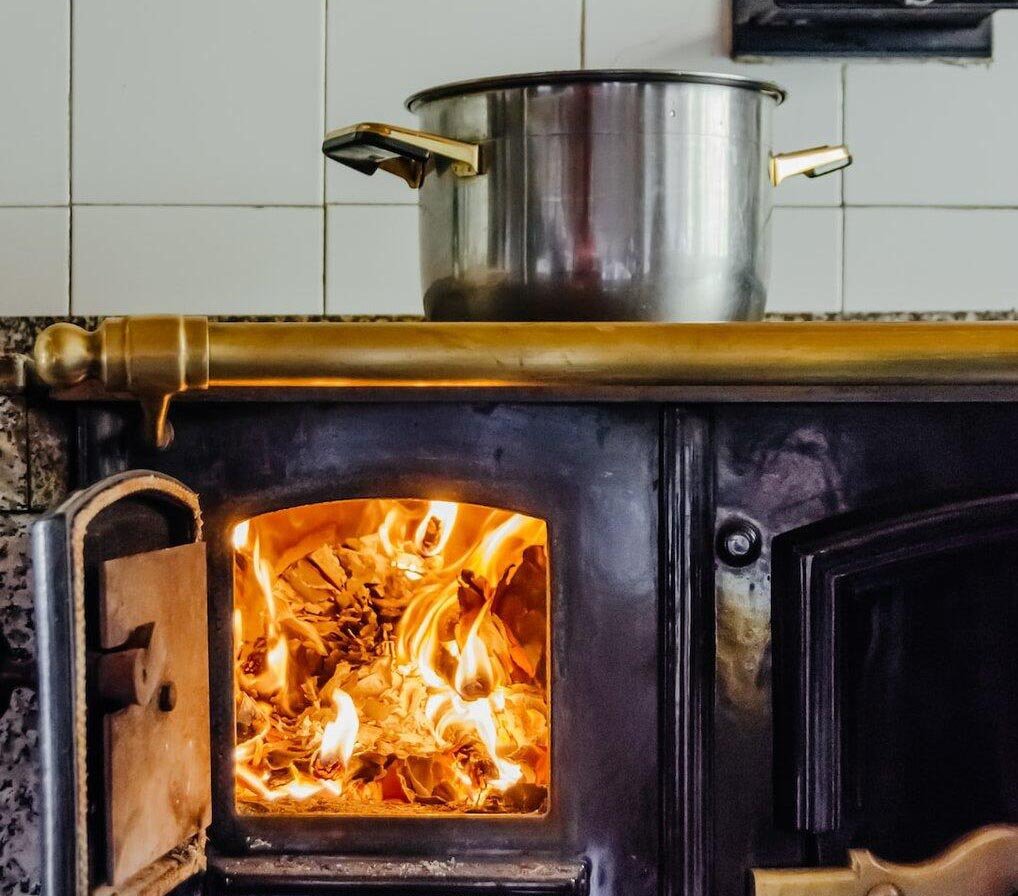
Home heating started with simple wood fires. Early humans used open hearths in caves or small homes. These fires provided warmth and a place for families to gather. However, they were not very efficient.
Much of the heat escaped through chimneys, and smoke made breathing difficult. Despite these problems, open fires were the first step in controlling indoor temperatures.
They allowed people to live comfortably even during cold seasons. Read on.
Medieval Advances: Fireplaces and Stoves
During the Middle Ages, people developed better fireplaces and stoves. Cast iron stoves made burning wood more efficient, and they spread heat more evenly around the home. Chimneys were improved to carry smoke outside, making the air inside safer.
Wood was still the main fuel, but coal began to be used, especially in cities where trees had been cut down. These changes made homes warmer, safer, and more comfortable than ever before.
The Industrial Revolution: Central Heating Emerges
The Industrial Revolution brought even bigger changes. Coal-fired furnaces could heat an entire house through pipes and ducts. People no longer relied on one fireplace per room.
Soon after, gas heating appeared, which was cleaner and easier to control. Central heating allowed homeowners to keep their homes at a steady temperature. This period marked a new level of comfort in daily life, making indoor spaces more pleasant and predictable.
The 20th Century: Electricity and Convenience
In the 20th century, electricity changed home heating. Electric heaters and heat pumps made it easy to get instant warmth without burning wood or coal. Homes became cleaner and easier to maintain.
However, relying on electricity raised concerns about energy costs and environmental impact. This led to more research on sustainable heating options. People started to think about using energy sources that were better for the planet while still keeping homes warm and comfortable.
The Shift to Renewable and Eco-Friendly Heating
As environmental awareness grew, people began exploring renewable heating solutions. Solar panels, geothermal systems, and biomass fuels became more popular. These technologies reduce carbon emissions and use natural or recycled resources.
Homes could now stay warm while reducing their impact on the environment. This shift marked the start of modern sustainable heating solutions, paving the way for smarter, greener homes. Visit one of the top online stores to check for pellet stoves for sale.
Modern Innovations: Sustainable Heating with Biomass Pellets
Today, biomass pellets are a popular eco-friendly option. These pellets are made from compressed wood waste or leftover plant materials. They burn efficiently and produce very little smoke or ash.
Modern pellet stoves can automatically feed fuel, maintain consistent temperatures, and use energy very efficiently. Biomass heating reduces the need for fossil fuels and supports sustainable forestry and agriculture. It is a practical way to stay warm while protecting the environment.
Looking Ahead: Smart, Sustainable Heating
The history of home heating shows how humans have always tried to balance comfort, efficiency, and safety. From flickering wood fires to automated biomass pellet systems, each innovation reflects the technology and values of its time. Today, smart home systems and renewable energy are shaping the future of heating.
Homes can now be warmer, greener, and more efficient than ever. The evolution of home heating is not just about staying warm-it is about creating a better, more sustainable way of living.
If you want to read more articles, visit our blog.