Some houses feel loud before anybody even opens the front door. Too many textures stacked together, sharp black and white contrast everywhere, oversized light fixtures, random stone accents, busy landscaping, giant garage doors screaming for attention, and five different materials fighting each other across the front exterior. You drive past homes like that, and your eyes do not even know where to land first. The place may look expensive, yet it still feels visually exhausting after a few seconds.
Homeowners are getting tired of houses trying too hard all the time. People want homes that feel settled, grounded, and easy to look at after long days filled with screens, traffic, noise, and overstimulation everywhere else.
Cleaner Exterior Walls
Once the siding gets too busy or too many materials start competing for attention, the whole property begins feeling visually restless. Some homes stack stone, vertical panels, horizontal boards, brick texture, metal accents, decorative trim, and contrasting colors all on the same exterior. After a while, the house starts looking less like architecture and more like somebody kept adding ideas without stopping.
Cleaner wall finishes instantly calm things down because the eye finally gets somewhere to breathe. Wider siding exposure, smoother transitions, quieter textures, and simpler material combinations make homes feel more confident without needing constant visual noise. A good siding contractor can completely reshape the atmosphere of a property just through cleaner wall planning alone. Homeowners are leaning toward softer siding profiles and more controlled detailing because calmer exteriors feel much easier to live with long term.
Entryway Clutter
Front entrances became weirdly overstyled for a while. Giant seasonal signs, oversized lanterns, layered doormats, decorative benches nobody sits on, fake plants everywhere, giant wreaths, crowded planters, random statues, and enough decor to make the porch look like a boutique display window. Somewhere along the way, entryways stopped feeling welcoming and started feeling overloaded.
Now, homeowners are simplifying those spaces heavily because clutter hits differently outdoors. Too much stuff near the entrance creates visual tension before somebody even steps inside the house. Cleaner pathways, fewer decorative distractions, softer lighting, and more breathing room around the front door completely change how the exterior feels emotionally. A simple oversized planter with natural greenery often feels calmer than ten smaller decorative pieces fighting for attention at once.
Simplified Rooflines
Some homes have so many peaks, angles, extensions, and overlapping sections that the roof starts looking tangled visually. Once that happens, the entire property feels restless, no matter how calm the paint colors or landscaping may be underneath.
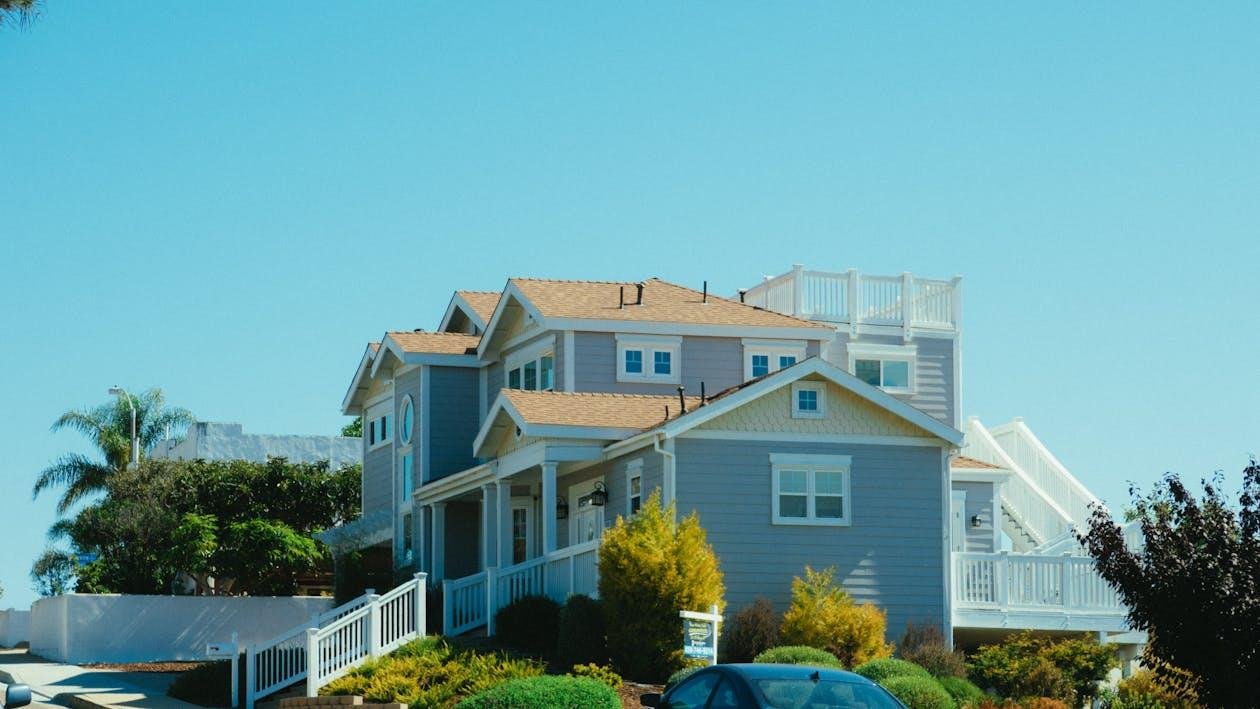
Simplified rooflines create this really satisfying sense of order because the structure suddenly feels easier for the eye to follow naturally. Cleaner slopes, fewer abrupt transitions, and more balanced proportions help the entire house settle visually. A simpler roof does not make a home feel plain either. It actually allows the rest of the exterior details to stand out more clearly because the architecture stops competing against itself constantly.
Softer Color Pairings
Exterior color trends got extremely aggressive for a while. Stark white walls against black trim, ultra dark charcoal exteriors, high contrast modern palettes, and bright white reflective surfaces started dominating entire neighborhoods. Those combinations photograph well online, but in real life, they can feel surprisingly harsh after a while, especially in strong sunlight, where every contrast becomes even sharper.
Softer palettes change the emotional atmosphere of a house immediately. Dusty olive tones, warm clay neutrals, weathered taupes, mineral-inspired grays, muted mushroom shades, and softer wood tones create homes that feel easier on the eyes throughout the day. People are moving toward colors that settle into the environment naturally instead of screaming for attention from half a block away. Those softer combinations age better, too, because they do not rely on shock value to feel current.
Natural Textures
A lot of modern exteriors accidentally feel cold because every surface looks perfectly flat, sharp, and polished all the time. Smooth panels, glossy finishes, harsh concrete textures, and ultra crisp edges can make homes feel more like commercial buildings than places people actually relax inside daily. The exterior starts feeling emotionally distant, even when the architecture itself looks technically impressive.
Natural texture softens that atmosphere immediately. Limewashed brick, brushed wood, textured stone, aged metal accents, and softer plaster finishes all bring movement and warmth into the exterior without needing extra decoration everywhere. Those materials catch sunlight differently throughout the day, too, which helps the home feel more grounded and lived in naturally.
Covered Patios
Outdoor spaces feel completely different once shade becomes part of the design instead of an afterthought. Open patios may look beautiful for photos, but during hot afternoons, they often become empty, unused spaces nobody actually wants to sit in for very long. Direct sunlight, overheated furniture, and harsh brightness can make even expensive outdoor setups feel uncomfortable surprisingly fast.
Covered patios change the mood immediately because the space becomes usable throughout much larger portions of the day. Soft shade cools the atmosphere visually and physically at the same time. Ceiling fans move air gently overhead, lighting feels warmer after sunset, and conversations naturally last longer once people are not squinting into the sun every few minutes.
Quiet Landscaping
Landscaping used to feel like a competition. Massive flower beds, bright color explosions, decorative rocks everywhere, sculpted bushes shaped into strange forms, and endless ornamental details packed every inch of the yard. Those landscapes definitely grabbed attention, yet many of them also felt exhausting because there was constantly something demanding visual focus from every direction.
Now homeowners are leaning into quieter landscaping that feels calmer to move through daily. Softer grasses, looser planting arrangements, natural movement, and more open spacing help the property breathe visually. Instead of filling every corner aggressively, people are allowing empty space to exist intentionally between plants and walkways. Native greenery and softer plant palettes often create much more peaceful exteriors because the landscaping supports the home instead of competing against it constantly.
Cleaner Garage Design
Garage areas quietly dominate the front of many homes, whether people realize it or not. Large garage doors take up huge amounts of visual space, so once they look cluttered or overly detailed, the whole exterior starts feeling heavier immediately. Decorative hardware overload, busy panel designs, and awkward driveway transitions often pull attention away from the rest of the architecture without homeowners even realizing it.
Cleaner garage design helps calm the entire front exterior because the eye stops getting stuck on oversized visual distractions. Simpler panel layouts, softer colors, flush finishes, and cleaner driveway edges help garages blend more naturally into the house overall. Some homeowners are even reducing decorative garage contrast completely because calmer exteriors feel much more balanced.
Calm exterior design comes from restraint, balance, and thoughtful choices that make a home feel easier to experience every day. Cleaner textures, softer colors, quieter landscaping, and more relaxed outdoor spaces all help create exteriors that feel welcoming without overwhelming the eye constantly.