In fastpitch softball, speed is not just about running fast. It is about thinking fast, reacting fast, and playing with purpose under pressure.
Every pitch, swing, and defensive move happens in seconds, yet those seconds decide games, seasons, and sometimes careers.
This is why competitive fastpitch training is more than just practice. It is a system built to shape strong players who can perform when it matters most.
Continue reading to discover everything you need to know!
Building the Foundation of Competitive Fastpitch
Every strong player starts with a solid foundation. In fastpitch softball, this means learning proper mechanics, body control, and game awareness.
Young athletes are first taught how to move efficiently, how to grip the ball, and how to swing with balance.
These early skills may look simple, but they shape everything that comes after.
At the competitive level, small details become very important. A slight change in foot placement or hand position can affect speed and accuracy.
Coaches focus on correcting these details early so players do not build bad habits.
The goal is to create strong habits that hold up under pressure during real games.
Skill Development That Goes Beyond Basics
As players grow, training becomes more focused and intense.
Fastpitch is a game of precision, so athletes must train every part of their performance.
Pitchers work on speed, control, and different pitch types.
Hitters train timing, bat speed, and pitch reading.
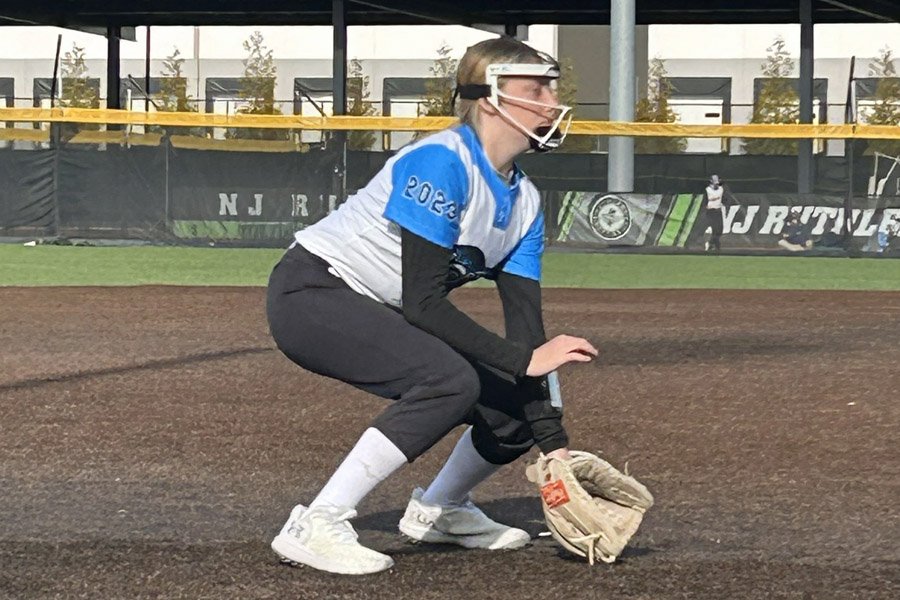
Fielders focus on quick reactions and clean throws.
Repetition is important, but it is not just about doing the same thing over and over.
It is about doing it correctly every time.
Coaches often design drills that simulate real game situations so players learn how to react, not just repeat movements.
This helps build confidence and consistency under pressure.
Mental focus also becomes part of skill development.
Players learn how to stay calm after mistakes and how to reset quickly.
In fastpitch, one mistake can change an inning, so emotional control is just as important as physical ability.
Strength, Speed, and Athletic Conditioning
Competitive fastpitch training is not complete without physical conditioning.
Players need strong legs for speed, core strength for balance, and upper body power for throwing and hitting.
Training programs are designed to improve overall athletic ability, not just sport-specific skills.
Speed drills help players move faster between bases and react quickly in the field.
Strength training builds endurance so players can stay strong through long games and tournaments.
Flexibility work also plays a role in preventing injuries and improving movement quality.
When conditioning is done properly, it supports every part of the game.
A stronger athlete can swing harder, run faster, and recover quicker between plays.
This creates a noticeable difference in competitive performance.
Game Intelligence and Decision Making
Fastpitch is not only physical. It is also a mental game filled with constant decisions.
Players must read the pitcher, understand the situation, and react in seconds, and this is where game intelligence becomes very important.
Coaches train athletes to think ahead.
Fielders learn where the ball should go before it is even hit.
Hitters learn how to adjust based on pitch speed and location.
Pitchers study batters and plan strategies for each at-bat.
This kind of thinking does not happen overnight.
It is developed through game simulations, video review, and guided experience.
Over time, players begin to see the game differently.
They are not just reacting anymore. They are anticipating.
Training Environments That Build Confidence
A strong training environment can shape a player’s mindset.
When athletes feel supported and challenged at the same time, they grow faster.
Coaches play a key role in building this environment.
They push players to improve while also teaching them how to handle pressure and setbacks.
Team culture is also important.
Players learn from each other and grow together.
Competitive fastpitch teams often train with a shared goal, which builds trust and communication.
This helps players stay connected during games, especially in high-pressure moments.
At this level, training is not just about individual success.
It is about learning how to contribute to a team and perform in a structured system.
Personalized Coaching and Player Growth
Every athlete has different strengths and weaknesses.
Some players are strong hitters but need work on defense.
Others may have strong pitching skills but need better control, and this is why personalized coaching is so important in competitive fastpitch.
Coaches often adjust training plans based on each player’s needs.
This helps athletes improve faster and more effectively.
Instead of a one-size-fits-all approach, training becomes focused on real growth areas.
For athletes looking to take the next step in their development, it is often helpful to explore structured programs where they can receive direct guidance and advanced training.
Many players and parents choose to contact PWR Fastpitch when they are ready to move into a more competitive environment with focused coaching support.
Handling Pressure in Competitive Games
Pressure is a constant part of fastpitch softball.
Games can change quickly, and players must stay focused even when things go wrong.
Learning how to handle pressure is a major part of player development.
Coaches often place players in high-pressure drills during training.
This helps them learn how to perform when the game is on the line.
Over time, players become more comfortable in stressful situations.
They learn how to breathe, reset, and focus on the next play instead of the last mistake.
This mental strength often separates good players from great ones.
Skill matters, but mindset often decides outcomes.
The Path from Training to Performance
The goal of competitive fastpitch training is not just improvement in practice.
It is performance in real games.
Everything learned in training is meant to show up on the field when it matters most.
Players who commit to structured development often see steady progress.
Their skills become more consistent, their decisions become faster, and their confidence grows.
Over time, they begin to trust their training in real competition.
This transition from practice to performance is what defines successful player development.
It is where preparation meets opportunity.
Where Dedication Meets Competitive Growth
Competitive fastpitch training is a long process that rewards patience, effort, and focus.
It is not about quick results.
It is about steady improvement over time.
Players who commit fully to the process learn more than just softball skills.
They learn discipline, teamwork, and mental strength that carry beyond the field.
In the end, the journey is about becoming the best version of an athlete through consistent training, strong coaching, and a deep understanding of the game.
For more on this content, visit the rest of our blog!