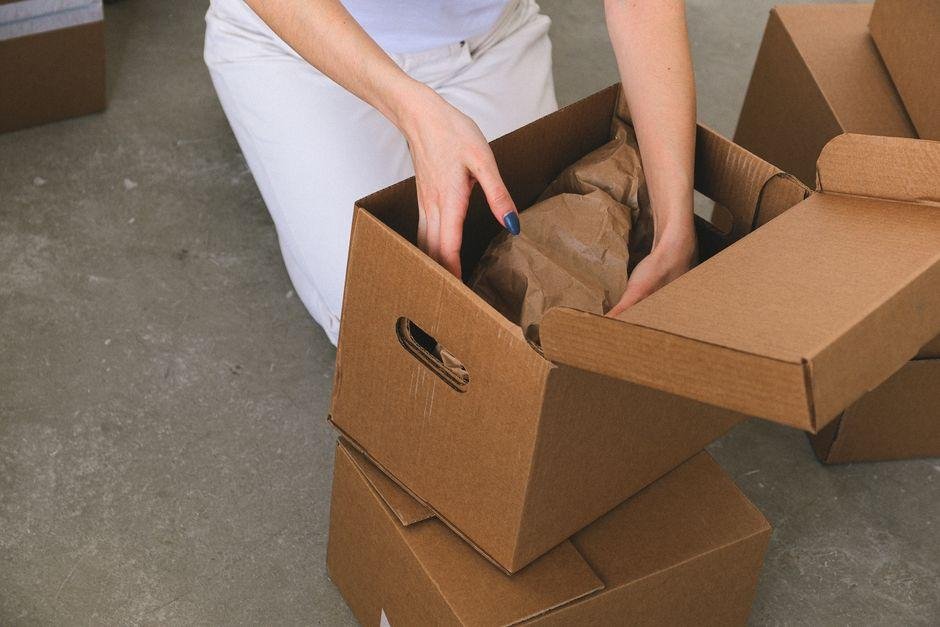
Moving can feel overwhelming, even for organized people. Between deadlines, boxes, bills, address changes, and dozens of small tasks, it is easy for the process to become stressful. The best way to make a move manageable is to break it into clear steps.
With a realistic plan, you can stay organized, avoid common mistakes, and settle into your new home with less frustration.
Plan the timeline
A chaotic move often happens when too many jobs are pushed to the last minute. Creating a timeline early helps spread out the work and gives you more control. If possible, begin planning six to eight weeks before moving day. That gives you enough time to organize paperwork, sort belongings, arrange transportation, and deal with unexpected issues.
Your timeline should include large tasks and weekly goals. One week can be dedicated to gathering boxes, tape, and packing materials. Another might focus on decluttering closets, storage spaces, or the garage. Later, you can handle address changes, utility transfers, and moving-day confirmations. In the final week, focus on finishing boxes, reviewing your schedule, and setting aside essentials you will need right away.
It is also important to decide what kind of help you need. Some people rely on friends or family, some rent a truck, and others hire professional movers. Compare costs, availability, and how much labor is involved so your plan matches your budget and schedule. Booking help two to four weeks in advance is usually smart, especially during busy times like summer or weekends.
Sort before packing
Before you pack a single box, decide what should actually come with you. Packing items you no longer use only creates more clutter, more work, and often more cost. Decluttering first makes every later step easier.
Go through your home room by room and sort things into four categories: keep, donate, sell, and toss. This simple method keeps decisions practical and helps you avoid overthinking. If you have not used something in more than a year, ask yourself honestly whether it deserves space in your new home.
This step is especially valuable in basements, attics, garages, and storage rooms where forgotten items tend to collect. Renters can save time on packing and cleaning, while homeowners can finally clear long-neglected spaces. If you are moving into a smaller house or apartment, sorting early matters even more because every square foot counts.
Decluttering can also reduce expenses. Fewer belongings usually mean fewer boxes, less truck space, and less time spent loading and unloading. Those savings can make a noticeable difference in your total moving cost.
Pack room by room
Packing is much easier when you handle one room at a time. This keeps boxes organized and lowers the chance of mixing unrelated items together. Begin with spaces you use the least, such as guest rooms, storage closets, seasonal decorations, or off-season clothing. Leave everyday essentials for the end so your routine stays functional during the final days.
Label every box clearly on more than one side. Include both the room name and a short description, such as “Kitchen – baking tools” or “Bedroom – winter clothes.” Detailed labels make unpacking faster and help anyone assisting you place boxes in the correct area.
Fragile items need extra care. Use packing paper, bubble wrap, towels, blankets, or soft clothing to protect dishes, glassware, and decorative pieces. Mark those boxes clearly so they are handled carefully. A few extra minutes spent protecting breakables can save you from damage that is both frustrating and expensive.
You should also prepare an essentials box or bag that stays with you instead of going on the truck. Include chargers, toiletries, medications, important documents, paper towels, snacks, and a change of clothes. Having those basics close by can make your first night much easier.
Two packing mistakes create a lot of stress: mixing items from different rooms just to fill a box and waiting too long to start. Both make unpacking harder and increase confusion when time is already tight.
Watch moving costs
Many people focus only on the price of a truck or moving company, but moving expenses often go well beyond that. Smaller costs can add up quickly, including packing supplies, fuel, cleaning products, utility deposits, temporary storage, and meals during the move.
To stay on budget, keep a simple list of expenses in your phone or a notebook. Track what you have already paid and what still needs to be covered. This gives you a clearer picture of the total cost and helps you avoid unpleasant surprises.
Remember to include purchases for the new home as well. Curtains, shower rods, shelf liners, light bulbs, and basic tools may seem minor, but together they can affect your budget.
There are also practical ways to save money. Collect free boxes from stores, neighbors, or community groups. Use towels and blankets instead of buying extra padding. Cancel subscriptions or services before they renew if you will no longer need them. If you rent, ask your landlord about cleaning expectations in advance so you can avoid unnecessary fees. Careful planning here can have a big impact.
Prepare the new place
A smooth move is not just about leaving your old home in good shape. It also depends on arriving prepared. If possible, visit the new place before moving day and measure doorways, hallways, staircases, and important rooms. That can help you avoid trouble with large furniture that may not fit easily.
Make sure utilities such as electricity, water, gas, and internet will be active when you arrive. Few things are more frustrating than spending your first night without lights, air conditioning, or service.
If you are moving into an apartment or condo, ask about parking rules, elevator reservations, and approved move-in hours. Many buildings have policies that can affect timing, and learning them ahead of time can prevent delays.
It also helps to know where large furniture should go before the truck arrives. You do not need a complete decorating plan, but a basic layout can save time and reduce repeated heavy lifting. If the home is empty beforehand, cleaning floors, cabinets, and shelves before move-in can make the space feel fresher and easier to settle into.