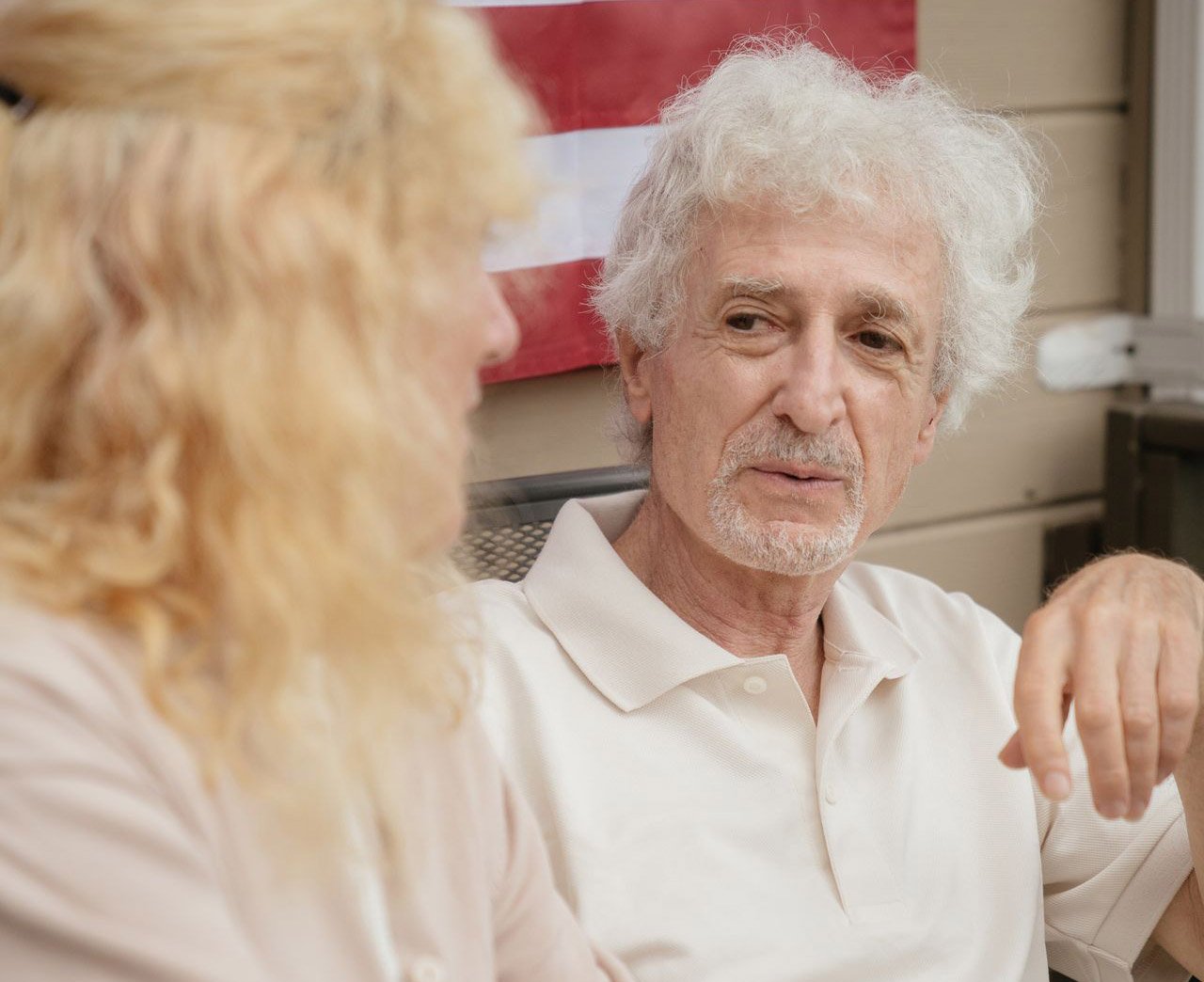
Getting older brings real changes, some of them welcome and some of them challenging, and navigating those changes well requires a combination of honest self-awareness, practical preparation and a willingness to ask for and accept support when it makes sense. The older adults who tend to do best as they age are not necessarily those with the most resources or the fewest health challenges. They are the people who approach aging with clear eyes, a genuine investment in their own well-being and the flexibility to adapt to new circumstances without losing sight of what matters most to them. These five tips reflect the practices that most consistently support a positive and well-managed experience of aging.
1. Be Honest About What Is Becoming Difficult
One of the most common and most costly patterns in aging is the tendency to minimize or conceal difficulties that are becoming real and significant. Many older adults are reluctant to acknowledge that certain tasks have become genuinely hard, either because they do not want to worry family members or because admitting difficulty feels like an admission that something important has been lost. In practice, acknowledging difficulty honestly is what makes it possible to address it before it grows into a serious problem. A conversation with a healthcare provider about symptoms that have been quietly worsening, a frank discussion with family about driving concerns or a realistic assessment of whether the current home environment is still working are all examples of honest acknowledgments that lead to better outcomes than continued avoidance. The earlier challenges are acknowledged, the more options remain available for addressing them.
2. Invest in Your Social Connections
Meaningful social connection is one of the most powerful contributors to health and well-being in later life, and it is also something that requires more deliberate effort to maintain as social networks naturally shift with age. Friends and peers are lost to illness and relocation with greater frequency as the years pass, and the daily social contact that work once provided disappears with retirement. Building new friendships through community involvement, shared interests and programs alongside nurturing existing relationships creates the kind of social richness that supports both cognitive and physical health in ways that are well documented. Senior living communities provide a naturally social environment for those who choose them, but investing in connection matters wherever a person lives. The older adults who maintain strong social networks consistently fare better across every measure of health and well-being than those who allow isolation to develop without actively resisting it.
3. Plan Ahead for Housing and Care Decisions
The housing and care decisions that get made under pressure during a health crisis are almost always worse than those made thoughtfully from a position of relative stability. Planning ahead means having honest conversations with family members about preferences and priorities before a decision becomes urgent, exploring senior living options while there is time to evaluate them carefully and making sure legal and financial documents including advance directives and durable powers of attorney are in place and accessible. It means thinking realistically about whether the current home environment is likely to remain suitable as needs evolve and being willing to consider alternatives when the honest assessment suggests they may serve better. Families and seniors who start these conversations early consistently describe the planning process as far less difficult than they anticipated and the outcomes as significantly better than those achieved under the pressure of an unplanned transition. Assisted living in Burlington, IA at Addington Place Burlington is an option worth exploring as part of this planning process, offering a warm and supportive community where personalized care and genuine community life combine to support a high quality of daily living.
4. Stay Engaged With Healthcare Proactively
Proactive, consistent engagement with healthcare providers is one of the most important habits available for navigating aging well. Keeping regular appointments, communicating openly about symptoms and concerns, asking questions until you genuinely understand the answers and following through on recommended treatments and lifestyle modifications are all behaviors that make healthcare relationships genuinely productive rather than reactive. Medication management deserves particular attention, as many older adults take multiple medications and the interactions, side effects and correct administration of those medications have significant health implications that require consistent oversight. Bringing an organized list of all current medications and supplements to every appointment helps healthcare providers give accurate, well-informed guidance. Older adults who approach their healthcare proactively rather than reactively consistently maintain better health outcomes and catch developing problems at stages when they are most addressable.
5. Accept Help as a Smart Choice, Not a Concession
One of the most valuable mental shifts available in navigating older age is reconceiving the acceptance of help as an act of self-knowledge and good judgment rather than as a concession that something has been lost. People accept help in dozens of ways throughout their lives without experiencing it as a diminishment of their competence or independence, and the same logic applies to the kinds of support that become more relevant with age. Accepting help with tasks that have become difficult frees up energy and attention for the activities and relationships that matter most, often producing a genuine net gain in quality of life rather than a loss. Whether that help takes the form of family assistance, in-home support services or the personalized care available in an Assisted Living community, the willingness to receive it graciously and to seek it proactively rather than reluctantly is one of the most consistent predictors of positive aging outcomes.
Conclusion
Navigating older age well is not about denying what is changing or pushing through difficulty without support. It is about bringing honesty, planning, social investment, healthcare engagement and a healthy relationship with accepting help to what is genuinely a new and different chapter of life. Older adults who approach aging with these practices in place consistently experience more satisfaction, better health outcomes and a stronger sense of purpose and well-being than those who navigate it without them.