Florida roofs work hard all year. Intense sun, high humidity, wind-driven rain, salt air near the coast, and flying debris can quickly expose small weaknesses. With the Atlantic hurricane season running from June 1 through November 30, a mid-season roof check can help St. Petersburg homeowners spot potential issues before the next severe-weather alert.
When comparing roofing companies St Pete homeowners may consider BC American Roofing, a St. Petersburg-based provider serving Pinellas County and the wider Tampa Bay area. Its website outlines residential and commercial roofing, inspections and maintenance, storm-damage assessments, emergency protection, repairs, and replacements, making it a useful example of the type of local roofing professional to consider when a roof needs an informed evaluation.
Why a Roof Checkup Matters
A roof is a system, not simply a layer of shingles or tiles. Roofing materials, underlayment, flashing, vents, fasteners, decking, drainage, and attic ventilation all work together. If wind lifts an edge, sealant cracks around a vent, or a gutter backs up, rain can travel beneath the visible roof surface and cause damage that is not immediately obvious indoors.
A homeowner checklist is a practical first step. Still, it does not replace a qualified inspection when there is visible damage, an active leak, sagging, or uncertainty about the roof’s condition. Avoid climbing onto a wet, steep, fragile, or storm-damaged roof.
Start With a Safe Ground-Level Inspection
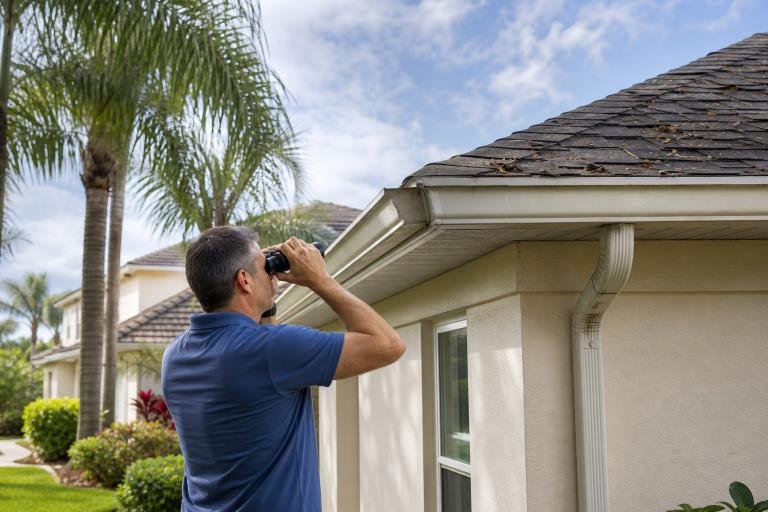
Walk around the home in daylight and use binoculars or a phone camera with zoom if needed. Look at the roof from multiple angles and note anything that appears different from prior photos.
- Missing, curled, cracked, lifted, or loose shingles.
- Broken, shifted, or sliding roof tiles.
- Exposed underlayment, damaged drip edges, or loose metal trim.
- Dark patches, sagging roof planes, or visible openings.
- Debris resting in valleys, against chimneys, or near vents.
After a storm, inspect from the ground again, especially around the roofline. Do not assume a roof is undamaged just because no water is dripping inside. Wind can loosen materials without creating an immediate leak.
Check Flashing, Vents, Valleys, and Roof Edges
Roof transitions are common trouble spots because they interrupt the main roof surface. Pay close attention to flashing around chimneys, skylights, plumbing vents, walls, and any other penetration. From a safe viewpoint, look for lifted metal, cracked sealant, rust, gaps, or displaced components.
Valleys should be free of leaf piles, branches, granules, and standing water. Roof corners and edges deserve extra attention because they are more exposed to wind pressure. Loose flashing, damaged vent boots, or disturbed edge materials should be assessed before a homeowner attempts any repair.
Clear Gutters and Improve Drainage
Gutters cannot protect the roof if water cannot move through them. Remove leaves, pine needles, seed pods, and storm debris. Confirm that downspouts discharge away from the foundation, and look for sagging sections, separated joints, clogged outlets, soil erosion, or water stains below them.
Flat and low-slope roofs require especially consistent drainage because ponding water can stress seams, flashing, and roof coverings. For additional public guidance on roof checks, secure roofing materials, and attic warning signs, review this Florida roof protection checklist.
Inspect the Attic and Interior Ceilings
Some of the clearest signs of roof trouble appear inside. Check upper ceilings and walls for fresh stains, peeling paint, bubbling drywall, or damp spots. In the attic, use a flashlight to look for damp insulation, mildew odors, wet rafters, discolored decking, rusted fasteners, or daylight showing through the roof structure.
A ceiling stain is not always directly below the entry point. Water can run along decking, framing, wiring, or insulation before it becomes visible. If the attic feels unusually humid after rain, document the condition and arrange an assessment.
Consider Roofing Materials in Florida Conditions
Common options and maintenance needs
- Asphalt shingles:Often budget-friendly, but need proper fastening and routine checks for granule loss, curling, and wind damage.
- Metal roofing:Can perform well against heat, rain, and wind when panels, clips, fasteners, coatings, and flashing are correctly selected and installed.
- Tile roofing:Suits many Florida homes, but cracked or displaced tiles and aging underlayment need prompt attention.
- Composite roofing:Can offer a tile-like appearance at a lower weight, depending on the product and installation system.
- Flat roofing:Depends heavily on drainage, seams, flashing, and regular maintenance.
Material alone does not determine storm performance. Roof design, deck condition, fastening method, installation quality, drainage, ventilation, and ongoing maintenance matter just as much.
Repair or Replacement: Questions to Ask
- One damaged vent, flashing area, or small leak:Request a targeted inspection and repair estimate.
- Several leaks or widespread missing materials:Ask whether a larger repair or replacement offers better value.
- Soft decking, sagging, or repeated interior water damage:Schedule a professional assessment as soon as possible.
- An older roof with visible wear or insurance concerns:Request a written inspection report and discuss remaining useful life.
Do not make the decision based solely on roof age. A professional should evaluate the full roof system, including the deck, underlayment, flashing, drainage, and extent of existing damage.
Choose a Roofing Professional Carefully
- Ask for proof of applicable licensing and insurance.
- Request a written scope of work, materials list, payment terms, and warranty details.
- Confirm who will perform the work and whether subcontractors are involved.
- Ask how flashing, ventilation, drainage, and damaged decking will be addressed.
- Clarify permit responsibilities before work begins.
- Be cautious of high-pressure sales tactics or demands for an immediate signature after a storm.
Document Conditions and Review Insurance
Take dated photos of the roof from the ground, gutters, downspouts, roof edges, ceilings, and attic. Keep inspection reports, estimates, invoices, permits, and material records together. If a claim may be necessary, do not discard damaged materials before speaking with the insurer.
Review your hurricane deductible, wind-mitigation documentation, and coverage exclusions before severe weather arrives. Flood damage is generally handled separately from a standard homeowners’ policy. The Florida hurricane season resources page offers guidance on policy review, home inventories, flood insurance, and storm preparation.
What to Do After Storm Damage
- Keep people away from active leaks, sagging ceilings, and damaged areas.
- Use containers under accessible leaks and turn off power near wet electrical fixtures only when safe.
- Photograph damage from the ground and inside the home.
- Contact a qualified roofing professional for an emergency assessment.
- Use temporary coverings only when installed by trained professionals and safely.
- Watch for storm-chasing scams and avoid large upfront payments before work begins.
Final Checklist for St. Petersburg Homeowners
- Inspect the roof surface from the ground.
- Review flashing, vents, valleys, and roof edges.
- Clear gutters and verify downspout drainage.
- Check the attic for moisture, stains, and daylight.
- Inspect ceilings and upper walls for water damage.
- Save storm photos and roof-related records.
- Review insurance coverage and mitigation documents.
- Schedule a professional inspection for visible or suspected damage.
A careful roof checkup can make storm preparation more manageable. By finding concerns early, keeping drainage clear, documenting conditions, and seeking qualified help when needed, St. Petersburg homeowners can reduce the chance that a minor roof issue becomes major water damage during the 2026 hurricane season.