Rethinking the Intersection of Commercial Infrastructure and Public Space Installations
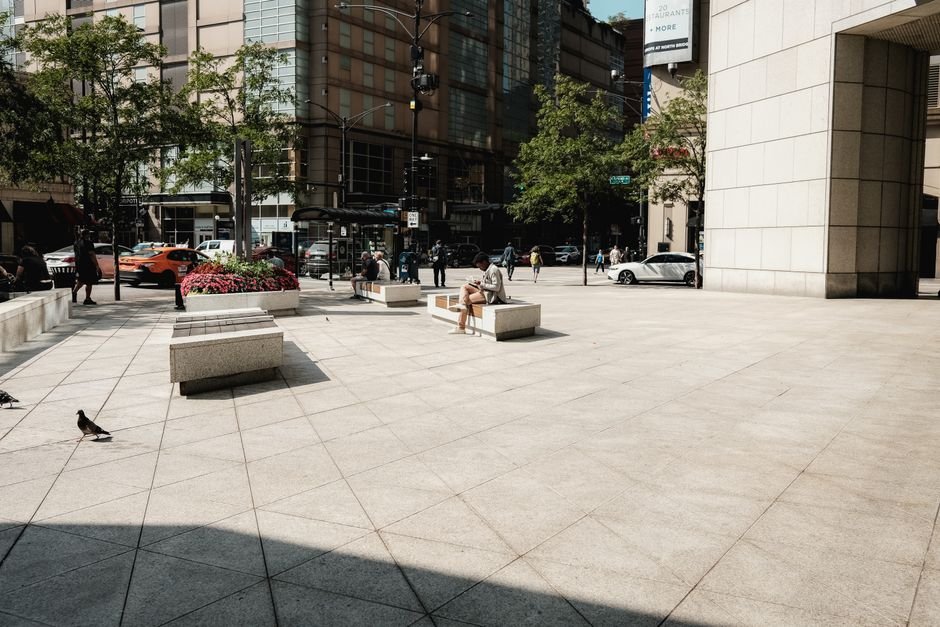
Urban public spaces are far more than just empty areas; they are the vibrant heartbeats of our communities, essential for both economic vitality and social well-being. However, many practitioners agree that a significant portion of these spaces are currently falling short, with only 5% believing they fully meet community needs. This signals a critical opportunity to reimagine how commercial infrastructure and public space installations can work together to create thriving, resilient cities.
We recognize that thoughtfully designed public spaces have the power to act as “multi-solvers” for pressing urban challenges – from public health and social isolation to climate change and economic instability. Whether it’s a bustling market, a serene community garden, or even a specialized memorial installation leveraging premium columbaria manufacturing, these spaces are crucial civic infrastructure. They deserve the same strategic attention as roads and utilities.
We will explore the innovative ways commercial infrastructure can be integrated into public spaces. We will delve into how to overcome common barriers, balance commercial activity with equitable access, and ensure long-term funding. We will also examine how physical design and community engagement can address societal challenges and build social resilience for the future.
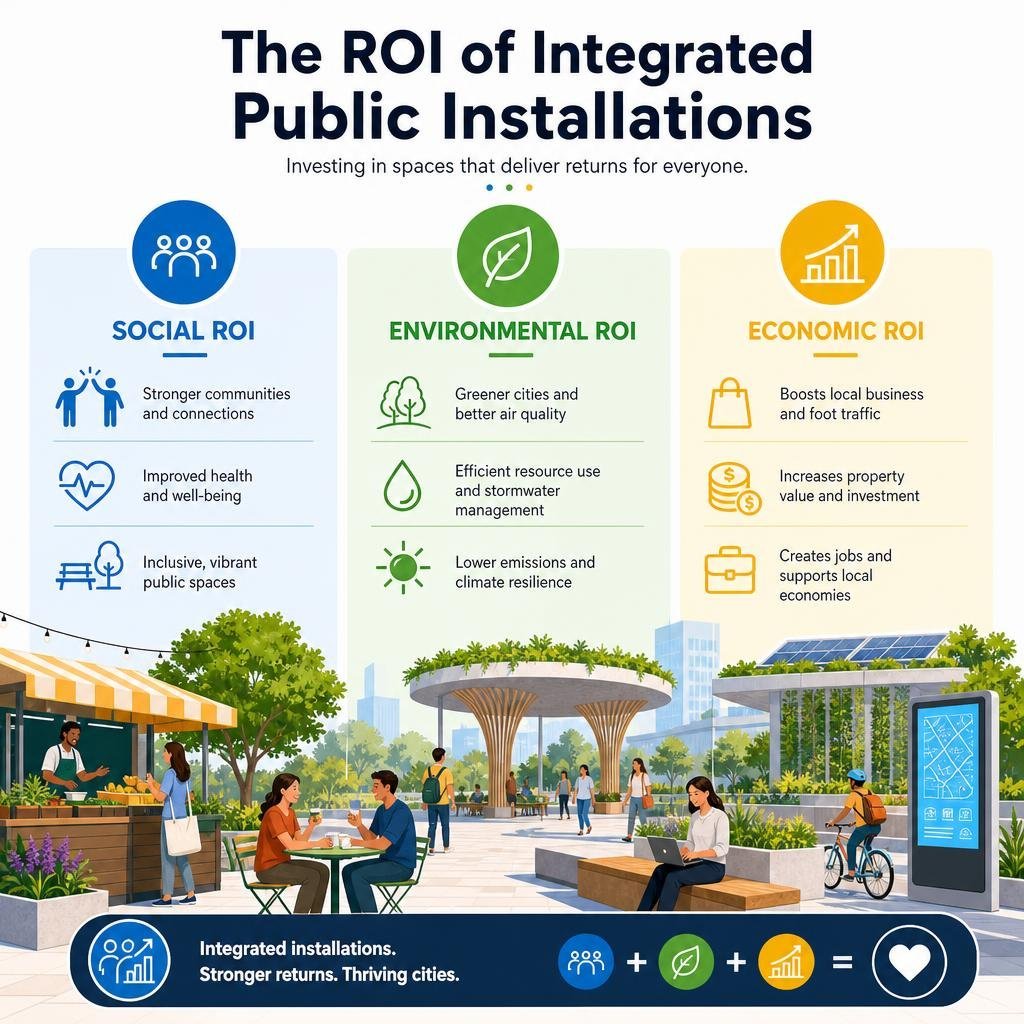
The urban landscape is a complex tapestry where commercial activity and public life constantly intersect. For too long, these elements have been planned in silos, leading to disjointed urban experiences. However, a growing understanding of urban extent and the dynamic nature of city life, particularly the role of the informal economy in many regions, is driving a shift. We are now seeing a concerted effort to integrate commercial viability with spatial activation through thoughtful streetscape design, aiming to enhance pedestrian density and foster vibrant public realms. Streets themselves, making up an estimated 80% of all public space in most cities, present an enormous, often underutilized, opportunity for this integration.
Integrating Flexible Marketplaces and Pop-Up Commercial Infrastructure
The agility of pop-up retail and modular kiosks offers an exciting model for dynamic public space activation. These temporary installations can quickly transform underutilized areas into bustling hubs, responding to seasonal demands or community events without requiring permanent construction. By strategically placing these elements, urban planners can influence footfall dynamics and pedestrian flow, drawing people into spaces they might otherwise overlook. For example, a well-placed pop-up market can activate a quiet plaza, creating a destination that benefits local businesses and residents alike.
Designing these spaces with universal accessibility in mind ensures that all community members can participate. This includes considering tactile wayfinding, appropriate clearances, and comfortable seating. The concept of “slow commerce” – where the focus is on experience, community, and local craftsmanship rather than just rapid transactions – aligns perfectly with this approach, fostering deeper engagement. Furthermore, we can transform large-scale commercial developments, sometimes referred to as “active groundscrapers,” by embedding flexible commercial zones that encourage day-to-night activation. Imagine a public plaza that hosts a farmers’ market by day, transforms into an outdoor dining area in the evening, and features a performance space at night. To ensure safety and comfort in these high-traffic, multi-use areas, incorporating durable and shock-absorbent materials like recycled rubber surfacing can significantly enhance the user experience, particularly for children’s play areas or active zones.
Balancing Commercial Activity with Equity and Displacement Prevention
While commercial integration can bring economic vitality, it also raises critical questions about equity and potential gentrification. Public spaces must balance commercial interests with equitable access, ensuring they remain welcoming and beneficial for all residents. This requires proactive anti-displacement policies and robust support for local vendor incubators. By prioritizing small, local businesses and cultural enterprises, we can safeguard the unique character of neighborhoods and prevent the displacement of long-standing community members.
Universal design principles are paramount here, ensuring physical, financial, and cultural accessibility. Public spaces should serve as a public good, fostering cultural preservation and creating non-hierarchical spaces where diverse groups can interact comfortably. This approach contributes to community wealth building, where the economic benefits of commercial activity circulate within the local community rather than flowing out. For instance, a public market could offer subsidized stalls for emerging local entrepreneurs or host cultural events that celebrate the neighborhood’s heritage, actively resisting the homogenizing effects of unchecked commercialization.
Overcoming Bureaucracy and Structural Funding Gaps
A significant hurdle in developing successful commercial public space installations lies in navigating complex place governance, civic procurement processes, and often antiquated municipal administration. Bureaucracy and regulatory reform are frequently cited as major practical issues, accounting for 31% of identified challenges in public space management. Interagency friction and a lack of dedicated public realm leadership can stifle innovation and prevent projects from moving beyond the planning stage. The “great unbalance,” as Jane Jacobs noted, often sees ample funding for initial capital construction but a severe deficit for ongoing operations and maintenance.
Modernizing Permitting and Public Realm Governance
To overcome these barriers, cities must modernize their permitting processes and establish clear public realm governance. The creation of a Chief Public Realm Officer role, for example, can provide dedicated leadership to coordinate across municipal agencies and reduce unnecessary red tape. This position can champion cross-agency coalitions, fostering collaboration between departments that traditionally operate independently.
Tactical urbanism, which involves low-cost, temporary changes to the built environment, can be a valuable tool for testing ideas and demonstrating the potential of public spaces without long-term commitments. Furthermore, innovative approaches to air rights and the adaptive reuse of existing infrastructure, such as underbridge activations, can unlock previously neglected spaces. Transforming the negative spaces beneath elevated highways or railways into vibrant commercial or community hubs, as seen in projects that convert these areas into nursery schools or skateparks, exemplifies how strategic governance can reclaim urban gaps for public benefit.
Sustainable Capital and Operational Funding Models
The funding model for public spaces is often broken, heavily favoring capital expenditure for new construction over the crucial, long-term needs of ongoing maintenance and operations. This operational gap leads to aging infrastructure, which nearly 12% of respondents identified as a top issue. To address this, we need to move beyond sporadic, short-term grants and develop sustainable funding mechanisms.
This could include infrastructure surcharges, dedicated federal allocations, or innovative public-private partnerships (PPPs) where commercial entities contribute to the upkeep of adjacent public spaces. Business Improvement Districts (BIDs) also offer a model for local businesses to collectively fund improvements and maintenance. The key is to establish reliable revenue streams that cover the full lifecycle costs of public installations, ensuring they remain vibrant and functional for generations. The table below illustrates the typical disparity in funding focus:
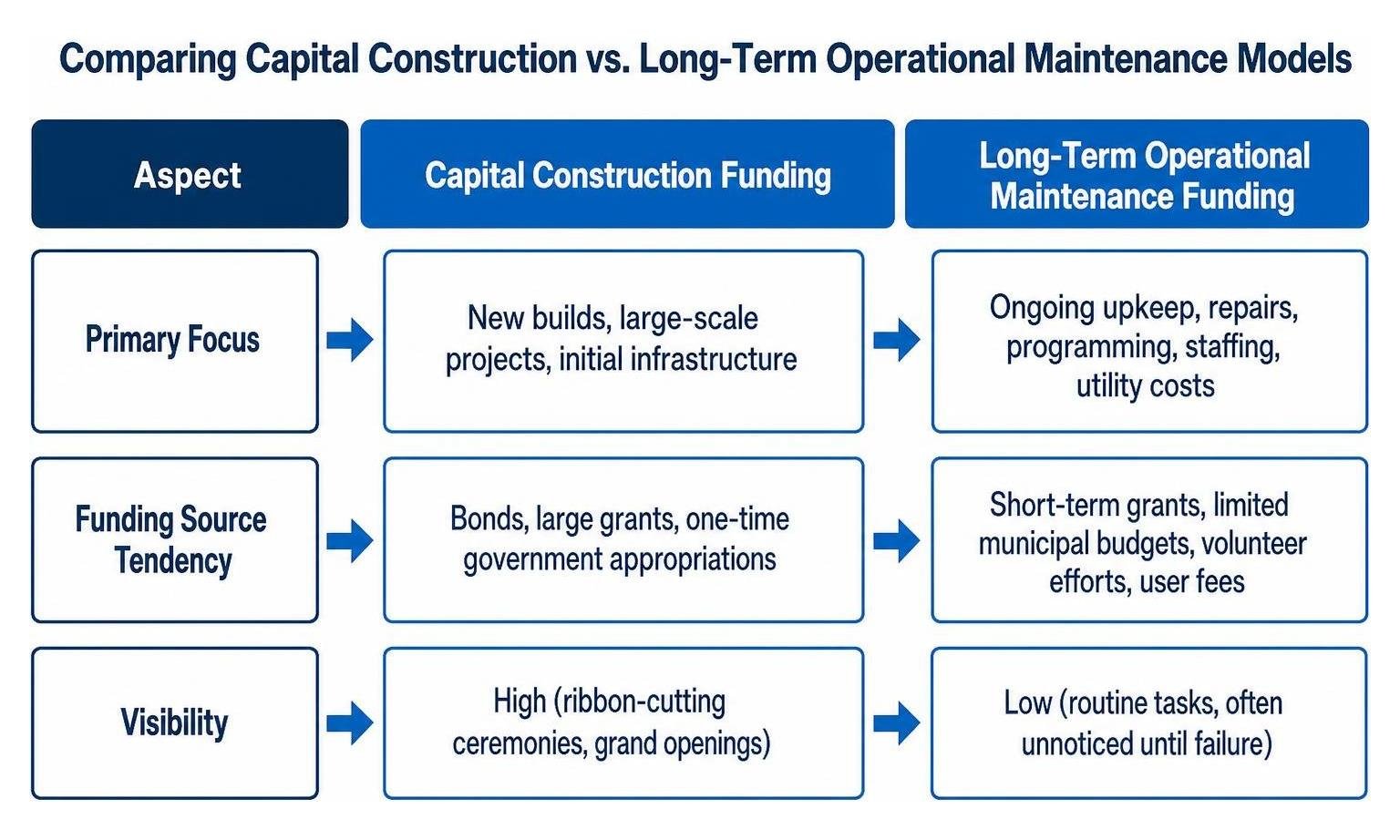
Aspect Capital Construction Funding Long-Term Operational Maintenance Funding Primary Focus New builds, large-scale projects, initial infrastructure Ongoing upkeep, repairs, programming, staffing, utility costs Funding Source Tendency Bonds, large grants, one-time government appropriations Short-term grants, limited municipal budgets, volunteer efforts, user fees Visibility High (ribbon-cutting ceremonies, grand openings) Low (routine tasks, often unnoticed until failure) Political Will Often high (tangible results, legacy projects) Often low (perceived as routine, less glamorous) Typical Challenge Securing initial large sums Sustaining consistent, reliable revenue over decades Impact of Shortfall Delayed projects, inability to start Deterioration, safety hazards, reduced functionality, community dissatisfaction
Climate Resilience and Material Engineering in Public Architecture
As cities grapple with the realities of climate change, public spaces are increasingly on the front lines. Designing for climate resilience means addressing issues like the urban heat island effect, implementing microclimate engineering, and planning for four-season usability. This requires a focus on passive cooling strategies, material durability, and effective storm mitigation. Extreme weather, identified by respondents as making public spaces less welcoming, necessitates adaptive design.
Multi-Generational Climate Adaptation and Microclimate Control
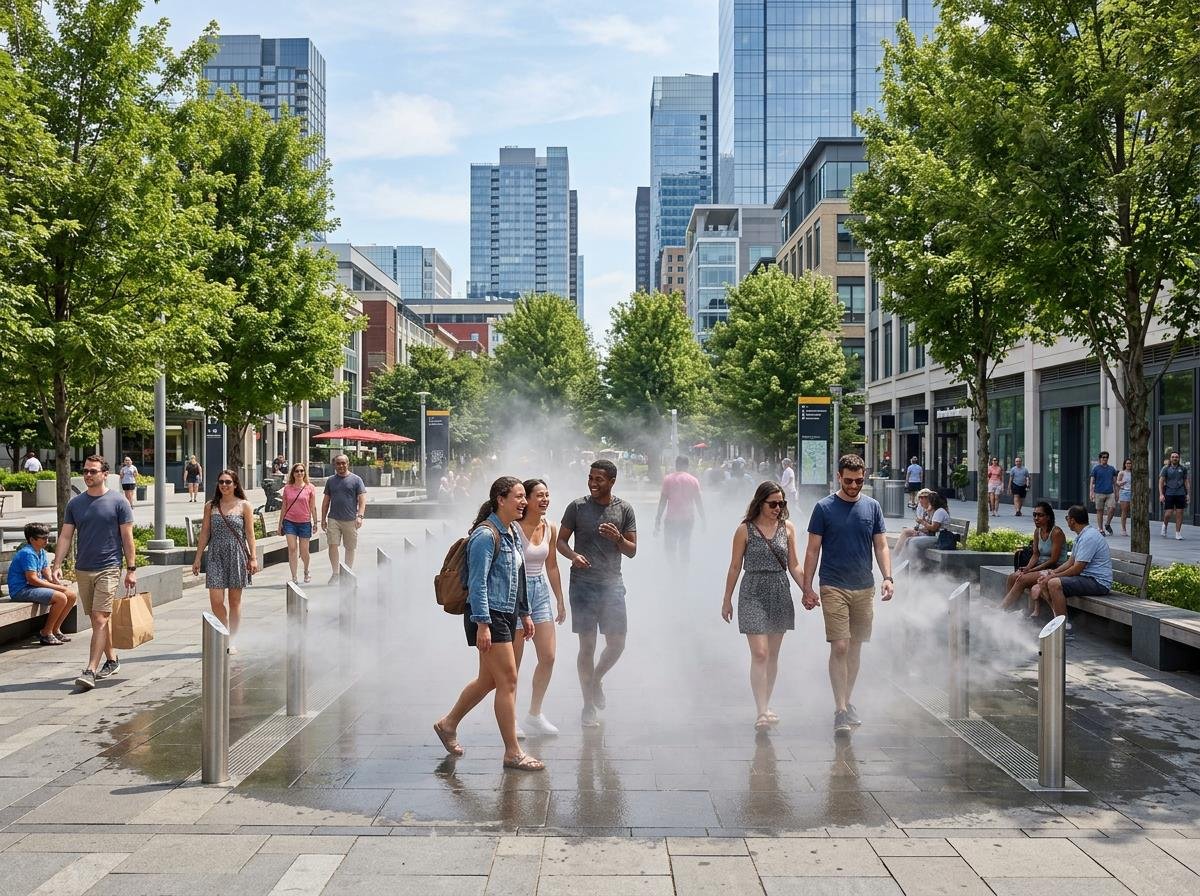
Innovative design can transform public spaces into climate havens. Microclimate cooling, for instance, can be achieved through fine-droplet misting systems that absorb ambient heat through evaporation, lowering perceived temperatures without requiring large volumes of water. Projects like the Eau Claire Plaza in Calgary demonstrate how interactive evaporative fog installations can create comfortable, engaging environments. Permeable paving helps manage stormwater runoff and reduces heat absorption, while strategically placed canopy structures and suspended textiles offer crucial shade.
These textile installations, often using existing urban infrastructure like streetlights as anchor points, can provide passive shading during the day and diffuse light at night, creating dynamic, climatically responsive spaces. Integrating energy-efficient lighting solutions with DMX show control allows for adaptable illumination that can respond to time of day, events, or seasonal changes, extending the usability of public spaces into the evening and colder months. Thoughtful winterized amenities, such as illuminated decorative covers over water features, ensure that public spaces remain active and inviting even when seasonal changes prevent certain functions.
Advanced Engineering and Material Longevity in Commercial Infrastructure and Public Space Installations
The longevity and performance of commercial infrastructure and public space installations depend heavily on advanced engineering and material selection. For example, in areas near airports, selecting low-reflectivity finishes like non-directional satin or Angel Hair stainless steel for canopy roofs prevents hazardous glare. For complex architectural elements, techniques like 1:1 prototyping and 3D fabrication modeling allow for precise manufacturing and fit, ensuring structural integrity and aesthetic quality.
Materials like photoluminescent stone, which absorbs light during the day and glows after dark, can create sustainable, zero-glare pathways and artistic installations that honor a site’s history, as seen in the LICHTSPOREN project in Belgium. These innovations ensure that public installations are not only visually striking but also durable, safe, and environmentally responsible. The careful selection and application of materials are critical for ensuring that these investments stand the test of time and continue to serve their communities effectively.
Social Resilience and Addressing Societal Crises in the Civic Realm
Public spaces are vital for building social resilience, acting as critical social infrastructure that supports community cohesion and civic trust. They play a crucial role in addressing societal challenges like social isolation, homelessness, and health equity. By fostering interaction and providing accessible resources, these spaces can significantly impact public safety and a community’s ability to adapt during crises.
Combating Social Isolation and Homelessness Through Inclusive Design
Social isolation was identified by 11% of respondents as a major societal issue impacting public spaces, and the US Surgeon General links it to significant health risks. Public spaces can be powerful antidotes to the loneliness epidemic by serving as multi-generational hubs that encourage spontaneous interaction. Inclusive design is fundamental here, ensuring that spaces are welcoming to all, regardless of age, ability, or socio-economic status. This means moving away from hostile architecture, which often targets vulnerable populations, and instead embracing supportive outreach and integrated social services.
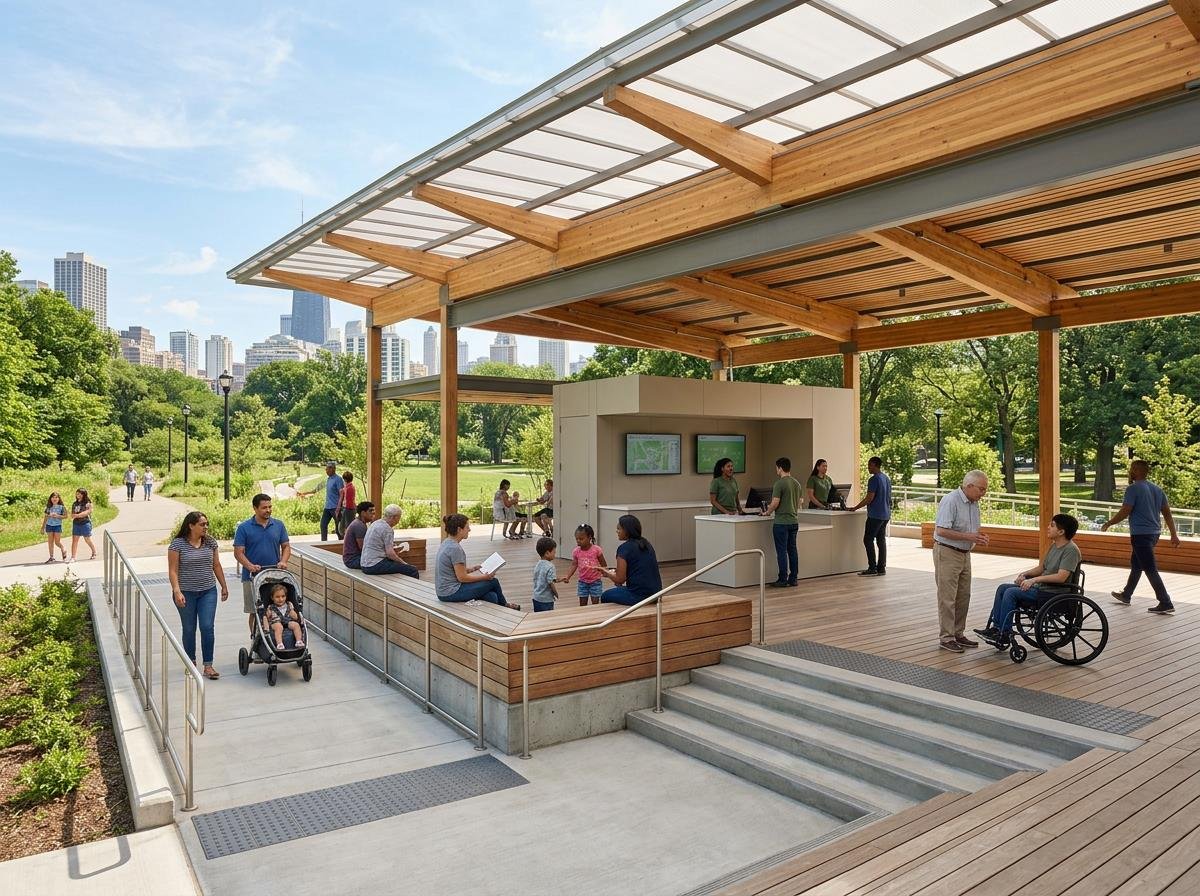
Inclusive seating arrangements, universal access features like ramps and tactile paving, and the presence of social service partnerships can transform public spaces into safe havens. For example, urban plazas can host “trust-building outreach stations” where social workers connect with individuals experiencing homelessness, offering support rather than displacement. By intentionally designing for comfort, safety, and connection, we can leverage public spaces to combat social isolation and support those facing homelessness, fostering a stronger, more empathetic community.
Deploying Commercial Infrastructure and Public Space Installations for Crisis Recovery
Beyond everyday use, commercial infrastructure and public space installations demonstrate their true value during crises, whether climate disasters or economic shocks. They can serve as critical assets for post-disaster resilience, acting as emergency distribution hubs, temporary shelters, or central points for community coordination. Post-disaster community recovery through public market construction, for instance, can quickly re-establish economic activity and provide a civic hub for rebuilding efforts.
These flexible gathering spaces can adapt to various needs, from providing essential services to serving as sites for civic memory and collective healing. In post-industrial regions, the revitalization of old mining sites or abandoned railway corridors into parks and cultural centers not only honors civic memory but also stimulates new economic activity and social cohesion. By planning for adaptability and multi-functional use, we empower communities to leverage these spaces for recovery and rebuilding, reinforcing their role as essential civic infrastructure.
Frequently Asked Questions About Public Realm Installations
As we continue to integrate commercial infrastructure into public spaces, several common questions arise regarding community engagement, commercial viability, regulatory compliance, and maintenance planning. Addressing these concerns proactively is essential for successful and sustainable projects.
How do commercial installations in public spaces avoid accelerating gentrification?
Avoiding gentrification requires a deliberate and multi-faceted approach. Equitable retail leasing strategies, which prioritize local businesses and offer affordable rents, can help maintain the existing economic fabric of a neighborhood. Protecting legacy vendors, who often represent the cultural heart of a community, is also crucial. Designating non-commercial public zones ensures that there are always free, accessible spaces for everyone. Furthermore, exploring models like community land trusts can provide long-term affordability and community ownership, preventing speculative development from displacing residents and businesses. The goal is to ensure that commercial vitality benefits existing communities, rather than undermining them.
What physical design elements most effectively increase public space dwell time?
Increasing “dwell time” – how long people choose to stay in a public space – is a key indicator of its success. Effective physical design elements include microclimate shading, such as mature trees, pergolas, or fabric canopies, which provide comfort in varying weather conditions. Interactive water features, like misting systems or shallow splash pads, offer sensory engagement and cooling. Universal accessibility, ensuring easy navigation for all abilities, broadens appeal. Finally, adaptable seating configurations, including benches, movable chairs, and even steps or ledges, allow users to choose how and where they interact, fostering a sense of ownership and comfort. These elements collectively create an inviting and functional environment that encourages longer stays and deeper engagement.
How can municipalities fund long-term maintenance of public space installations?
Long-term maintenance is often the Achilles’ heel of public space projects. Municipalities can secure reliable funding through several innovative mechanisms. Dedicated infrastructure surcharges on new developments or property taxes can create a consistent revenue stream. Value capture mechanisms, which reinvest a portion of the increased property value generated by public improvements back into their maintenance, offer another sustainable model. Establishing endowment trusts, funded by public and private contributions, can provide a perpetual source of operational funds. Finally, public-private maintenance pacts, where commercial entities or adjacent property owners contribute to the upkeep of shared public spaces, can distribute the financial burden and foster shared stewardship.
Conclusion
The integration of commercial infrastructure and public space installations represents a transformative opportunity for our cities. By viewing public spaces as multi-solver assets and essential civic infrastructure, we can unlock their potential to address a myriad of urban challenges, from economic instability and social isolation to climate change. This requires a commitment to long-term stewardship, innovative place-based governance, and a willingness to overcome bureaucratic hurdles.
The path forward involves prioritizing equitable access, fostering community well-being, and embracing sustainable placemaking practices. As we move towards August 2026 and beyond, the innovations discussed here—from flexible marketplaces and climate-adaptive designs to inclusive social infrastructure and robust funding models—will be crucial in building resilient, vibrant, and truly livable cities for everyone.