Key Takeaways
- Put personal safety first, and do not climb onto a wet, icy, or visibly damaged roof.
- Check the roofline, attic, ceilings, gutters, siding, and nearby trees for signs of trouble.
- Photograph damage before cleanup or temporary repairs change the scene.
- Use temporary mitigation to limit further water damage, but do not mistake it for a permanent solution.
- Compare contractors carefully, request written scopes of work, and avoid high-pressure sales tactics.
After a storm in Southington, Connecticut, homeowners face obvious problems, such as a fallen limb or missing shingles, as well as subtle warning signs that emerge days later. A calm, organized response can protect the home, preserve useful records, and make the next decision less stressful. For homeowners facing active leaks or widespread exterior damage in Southington, storm damage roof replacement information from Epic Exteriors outlines its inspection, damage documentation, roof-securing, and replacement process. Epic Exteriors is a Southington-based roofing company that serves nearby communities, including Bristol, Plainville, Cheshire, New Britain, and Hartford, making its local storm-response experience relevant when a Connecticut roof needs a professional evaluation.
What to Do in the First Hour
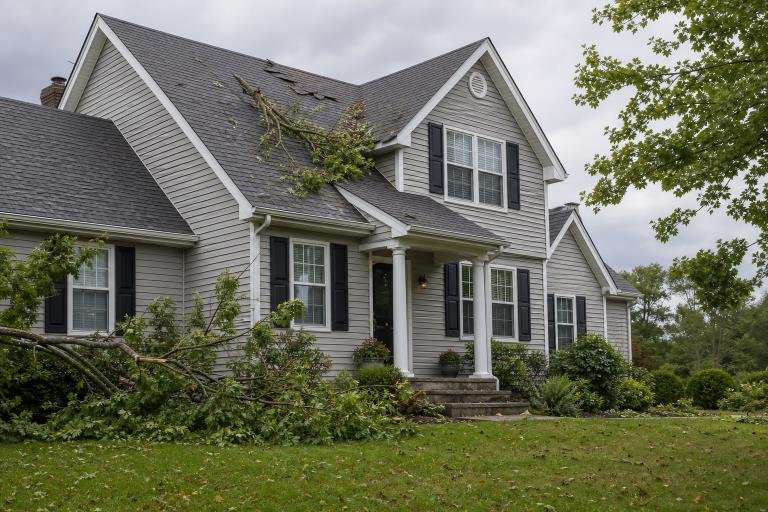
Before looking closely at the roof, scan for immediate hazards. Stay clear of downed utility wires, broken glass, unstable trees, standing water near electrical equipment, and large branches that may still shift. If the home has a serious structural concern or electrical danger, leave the area and contact the appropriate emergency service. When it is safe, move furniture, electronics, rugs, and personal belongings away from active drips. Place containers under leaks, then take wide and close photographs of the affected ceiling, wall, or floor. Do not climb onto the roof to investigate. A ground-level inspection, binoculars used from a stable location, and attic observations are safer first steps.
Why Southington Homes Face Several Storm Risks
Connecticut weather can test a roof in different ways across the year. Summer thunderstorms may bring wind-driven rain, hail, and falling limbs. Winter weather can add snow, ice, and repeated freeze-thaw conditions. Mature trees, older roof systems, additions, skylights, chimneys, and transitions between roofing materials can create areas that deserve extra attention after severe weather.
- Wind can lift, crease, loosen, or remove shingles.
- Hail can mark shingles and dent vents, flashing, gutters, or siding.
- Branches can puncture roofing and disturb flashing or gutters.
- Heavy rain can expose failed seals around penetrations and roof edges.
- Ice and snow can contribute to water backing up near eaves.
Roof Damage Signs to Check From the Ground
Exterior clues
- Missing, lifted, curled, crooked, or torn shingles.
- Shingle fragments or an unusual amount of granules in the yard or gutter outlets.
- Dented metal vents, flashing, gutters, or downspouts.
- Debris resting on the roof or branches rubbing against the structure.
- Dark exposed areas near the roof edge or around a damaged section.
Interior clues
- New ceiling or wall stains.
- Damp insulation, wet framing, or a musty attic odor.
- Peeling paint, bubbling drywall, or moisture around windows.
- Drips that appear during rain or shortly afterward.
- Daylight visible through the attic roof deck.
A dry ceiling does not prove that the roof is undamaged. Water can travel along framing or insulation before becoming visible in a finished room, so new stains or attic moisture should not be ignored.
Inspect the Whole Property
A storm inspection should extend beyond the shingles. Check siding for cracks, loose panels, dents, and impact marks. Look along gutters for bent sections, loose hangers, separated seams, or downspouts pulled away from the house. Examine window screens, trim, seals, and visible glass. At chimneys, watch for loose masonry, shifted flashing, or a damaged cap. Document hanging limbs or branches resting on the home, but do not attempt to remove large limbs yourself.
Documenting Damage for Insurance
Clear records help establish what happened and when. Start with wide photos of each side of the property, then take close-ups of visible damage. Keep notes that identify the storm date, the date you noticed each issue, and any steps taken to prevent additional damage. Save inspection reports, repair estimates, invoices, receipts, and communications with contractors or insurance representatives. Coverage can depend on the policy, deductible, exclusions, and cause of loss. The Connecticut Insurance Department’s guidance on homeowners storm claims advises policyholders to review their declaration page and speak with their insurer or agent about coverage questions. Avoid assuming that every type of water, tree, or wind-related loss is handled the same way.
Temporary Repairs and Safety Limits
Emergency mitigation is meant to prevent further damage while the situation is evaluated. Safe measures may include collecting dripping water, protecting belongings, and arranging for a qualified professional to secure a damaged roof. Photograph affected areas before they are covered whenever possible, and retain receipts for emergency work.
- Do not walk on a wet, icy, or damaged roof.
- Do not cut limbs near utility lines.
- Do not remove a large branch from the roof without proper equipment and training.
- Do not sign a rushed contract at the door.
Choosing a Connecticut Roofing Contractor
After a damaging storm, urgency can make homeowners vulnerable to pressure. Ask each contractor for proof of applicable Connecticut credentials and insurance, a written scope of work, a payment schedule, and recent local references. Confirm who will inspect the roof, who will perform the work, and how change orders will be handled. Be cautious of promises that insurance approval is guaranteed or demands for full payment before work begins.
When Repair May Not Be Enough
A targeted repair can make sense when damage is isolated, and the remaining roof is in sound condition. Replacement may be worth discussing when damage affects multiple slopes, water has reached the roof deck or interior materials, matching shingles are unavailable, or repeated leaks indicate broader failure. The practical question is not simply whether damage exists, but whether a repair can provide a durable result.
Common Questions From Southington Homeowners
Can storm damage be seen from the ground?
Damage may include missing shingles, fallen branches, and bent gutters. Other concerns, such as hail impacts, broken seals, or small punctures, may require a closer inspection.
Should I call insurance or a contractor first?
Homeowners can notify their insurer and arrange an inspection at roughly the same time. If water is entering the home, prioritize safe mitigation and follow the insurer’s instructions.
Does every storm-damaged roof need replacement?
No. The appropriate solution depends on the location, extent, and type of damage, as well as the roof’s existing condition.
Conclusion
After a Southington storm, safety, documentation, and careful observation matter more than quick decisions, checking from the ground, protecting the interior, recording what you find, and seeking qualified help when the damage is uncertain or widespread. Avoid climbing onto the roof or entering areas with structural damage, exposed electrical components, or other potential hazards until they have been assessed. Take clear photos and videos of visible damage, including damaged shingles, siding, gutters, windows, trees, and areas where water may have entered the home. If there is active water intrusion, use appropriate temporary measures to limit additional interior damage when it is safe to do so, and keep records of any emergency work or materials used. Contact your insurance provider promptly if a claim may be necessary and retain relevant receipts, inspection reports, and repair estimates. With clear information in hand, homeowners can make a more confident choice among repair, mitigation, and replacement while avoiding unnecessary work and focusing first on issues that affect safety, weather protection, and the property’s condition.