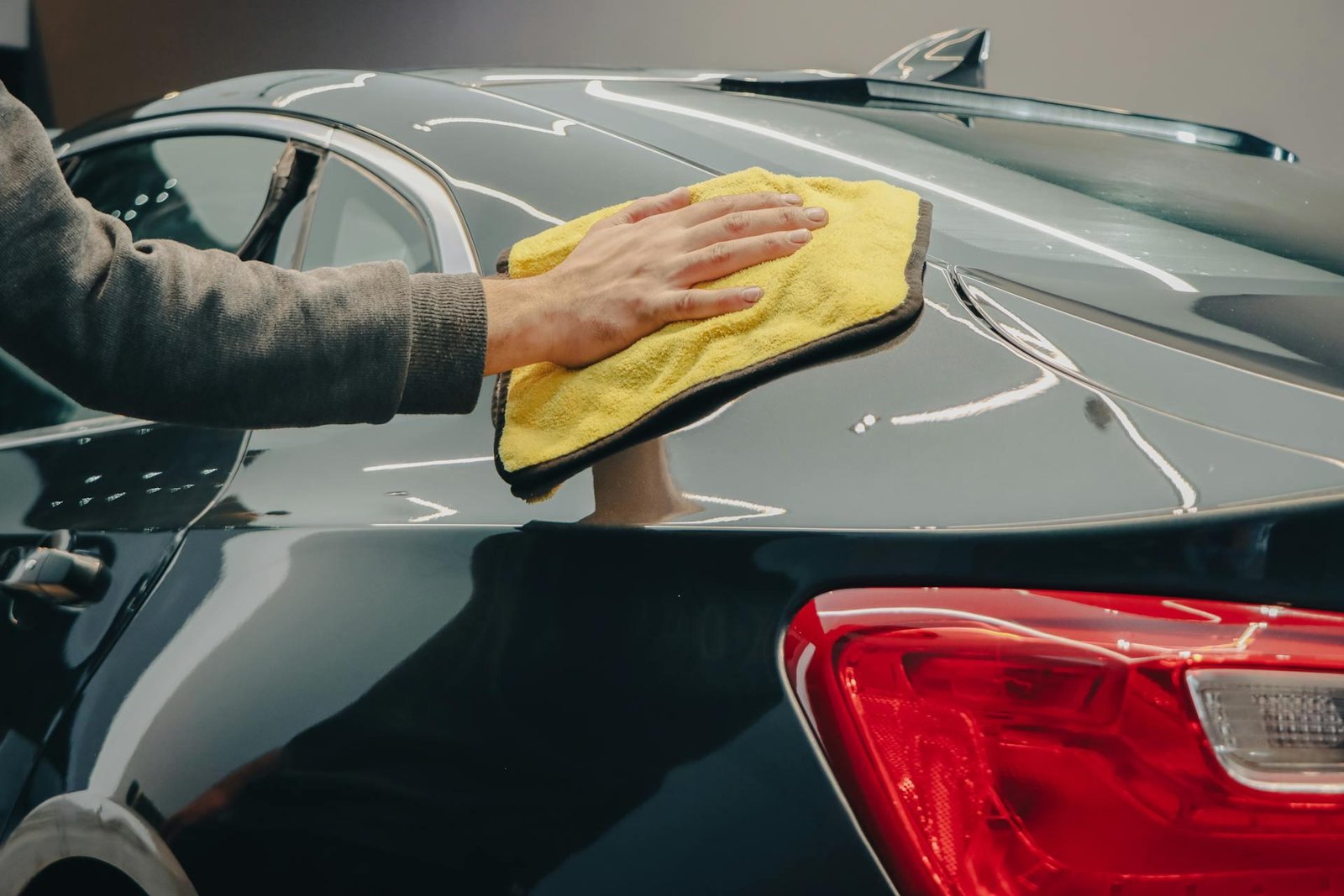
Microfiber cloths have become an essential tool for anyone who wants to clean their car safely. Unlike traditional cloths, microfiber cloths won’t scratch your car’s paint, windows, or interior surfaces like dashboards, steering wheels, and seat covers. Using the right microfiber cloth brings ease, comfort, and efficiency. Below, I’ll guide you through why microfiber is the best choice, how to pick the right cloth, and the common mistakes to avoid.
1. Why Microfiber is the Best Choice for Your Car
Even a simple towel can damage your car’s paint or internal surfaces. Microfiber cleaning cloths are specially designed to protect your car while cleaning effectively. For car enthusiasts and everyday drivers alike, these cloths have quickly become a favorite choice.
2. Types of Microfiber Cloths for Car Detailing
Different microfiber cloths are made for different purposes:
- Drying and polishing: Prevent water spots and lint
- Glass and mirrors: Clean without streaks
- Interior surfaces: Dashboards, door panels, and seats
Each cloth serves a dedicated purpose, ensuring your car gets the best care without cross-contamination.
3. How to Identify a Quality Microfiber Cloth
The quality of a microfiber cloth depends on absorbency, material, and GSM (grams per square meter). For everyday washing, I usually pick microfiber cloths of the right GSM — this ensures the cloth absorbs enough water and protects the paint. Most microfiber cloths are made of 80% polyester and 20% polyamide. For car detailing, I typically use:
- 300–400 GSM for washing exteriors
- 200–300 GSM for interior surfaces like dashboards and seats
Choosing the right GSM microfiber is crucial for both effectiveness and paint protection.
4. When to Replace Your Microfiber Cloths
Like any tool, microfiber cloths have a limited lifespan. You should consider replacing them if:
- Threads start to break
- Absorbency decreases
- Cleaning efficiency drops
For heavy users, I recommend replacing microfiber cloths every 3 months to maintain optimal performance and prevent damage to your car.
5. Mistakes While Using Microfiber Cleaning Cloths
Many beginners make these common mistakes:
- Washing microfiber cloths with regular powder (damages fibers)
- Drying in extreme heat (weakens fibers)
- Mixing microfiber with other laundry (causes lint)
To avoid these issues, follow manufacturer instructions carefully.
6. Do’s and Don’ts of Using Microfiber Towels for Cars
Do’s:
- Wash separately with gentle cleaner
- Store separately to avoid contamination
- Replace regularly
Don’ts:
- Don’t expose to extreme heat
- Don’t mix with other laundry
For proper cleaning and maintenance, it’s helpful to know the correct techniques for using microfiber cloths to keep them in top condition.
7. How Many Microfiber Towels Do You Need for Car Detailing?

Experts recommend 10–12 microfiber towels for different purposes:
- Interior: Dashboard, steering wheel, seats
- Exterior: Hood, trunk, wheels, headlights
Each cloth should be used for its dedicated purpose to avoid scratches and ensure maximum cleaning efficiency.
8. FAQs — Written for Real Users
Q1: Can I use any microfiber cloth for my car?
A: Not all microfiber cloths are the same. Look for proper GSM and purpose-specific cloths to avoid damage.
Q2: How often should I replace my microfiber towels?
A: Heavy users should replace every 2–3 months; occasional users every 4–6 months.
Q3: Can microfiber cloths scratch my car?
A: Only if they are dirty or mixed with other laundry. Always keep them clean and separate.
Q4: What GSM is ideal for car washing?
A: 300–400 GSM for exteriors, 200–300 GSM for interior detailing.
Q5: How should I wash microfiber cloths?
A: Use a gentle fabric cleaner, wash separately, and avoid extreme heat.
Q6: How many microfiber towels do I need?
A: 10–12 for a full car detailing setup, each for a dedicated purpose.
Q7: Can I use microfiber cloths for both car and home cleaning?
A: It’s better to keep cloths dedicated to cars to avoid cross-contamination and scratches.