Key Takeaways:
- Persistent bad breath may originate from digestive issues rather than just oral hygiene.
- Conditions like GERD, SIBO, and H. pylori infections are linked to halitosis.
- Improving gut health through diet and lifestyle changes can help alleviate bad breath.
Understanding Bad Breath
Bad breath, medically known as halitosis, is among the most common reasons people seek dental care. Although infrequent bad breath might result from foods like onions and garlic, or from morning dryness, persistent halitosis often points to issues that lie beyond just oral hygiene. In fact, many are surprised to learn that bad breath from stomach issues is an increasingly researched area.
The sources of chronic bad breath often go unrecognized, particularly when good oral care habits have failed to resolve the problem. Saliva naturally helps cleanse the mouth, but when underlying health disturbances cause a reduction in saliva or an imbalance in bacteria, unpleasant odors can linger. While dental plaque or gum disease commonly contributes, digestive system problems may play a hidden but important role.
Sufferers of long-lasting bad breath frequently feel frustration or embarrassment. This can lead them to try every mouthwash and toothpaste available, but if the cause comes from within the body, more targeted approaches are needed. Health professionals are now paying closer attention to the role that the gastrointestinal system plays in shaping oral health.
With modern diets, stress, and medications affecting digestion, it’s worth considering if chronic halitosis signals a deeper imbalance in the gut. Addressing these issues can benefit not just breath freshness, but also provide overall wellness improvements.
A frequently asked question in scientific and dental communities is does SIBO cause bad breath. Research continues to examine the connection between small intestinal bacterial overgrowth (SIBO) and unpleasant breath, revealing the intricate link between digestion and oral health.
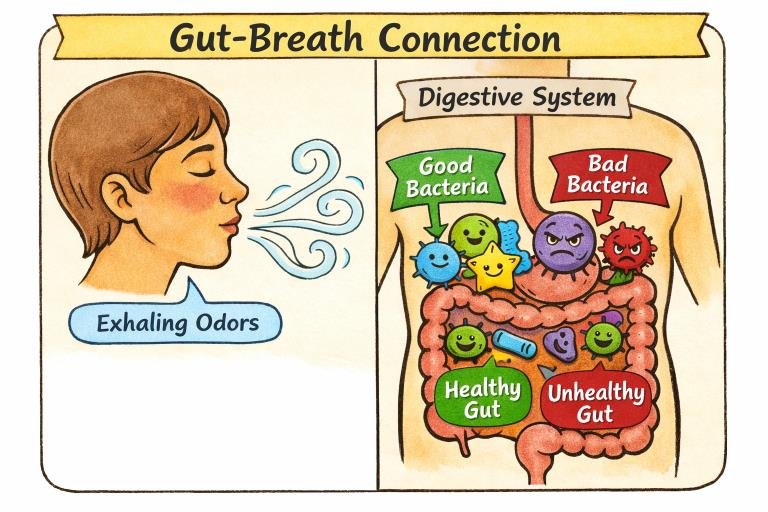
Science now recognizes the importance of the gut microbiome in many aspects of health, including how we smell. The balance of millions of bacteria in the digestive tract influences not only digestion, immunity, and inflammation, but also can contribute to conditions like halitosis. The gases produced by gut microbes, when imbalanced, can enter the bloodstream and are then exhaled through the lungs, causing odors not easily addressed by mints or mouthwash.
When the digestive process breaks down, certain foods may ferment abnormally. The byproducts, such as sulfur compounds, create a recognizable foul aroma. Poor gut health may also exacerbate acid reflux, where stomach acids travel backward into the throat, contributing to a lingering sour or bitter taste and persistent bad breath.
An increasing body of evidence highlights the link between oral and digestive health. In fact, researchers and clinicians alike are suggesting that recurring bad breath could act as an early warning sign of more serious digestive disorders, making gut health assessments a logical next step for those struggling with ongoing halitosis.
Common Gut Conditions Linked to Halitosis
- Gastroesophageal Reflux Disease (GERD):GERD involves stomach acids repeatedly flowing back into the esophagus, which can not only irritate the esophagus but also cause a noticeable sulfur or sour odor on the breath. This is often worse after meals or when lying down.
- Small Intestinal Bacterial Overgrowth (SIBO):SIBO occurs when bacteria that normally inhabit the large intestine overgrow in the small intestine. This can result in fermentation of undigested food, release of gas, bloating, and sometimes strong, lingering breath odors that persist even after brushing.
- Helicobacter pylori Infection: pylori is a bacterium that infects the stomach lining. It is well known for causing ulcers and gastritis, and it has also been strongly associated with halitosis. Treating the infection often leads to an improvement in breath odor.
In addition to these well-known conditions, other digestive issues like chronic constipation, irritable bowel syndrome, or food intolerances can influence the bacterial populations in the gut and, by extension, affect breath quality.
Improving Gut Health to Combat Bad Breath
Making changes to support a healthy gut can yield noticeable benefits for your breath. The most effective strategies center on restoring microbial balance, promoting efficient digestion, and reducing inflammation. Here are ways to start:
- Dietary Changes:Eating more fiber-rich foods, such as fruits, vegetables, and whole grains, supports intestinal regularity and the growth of beneficial gut bacteria. Limiting processed foods, added sugars, and foods known to trigger acid reflux can also be helpful.
- Probiotics:Incorporating probiotics, whether in the form of supplements or fermented foods like yogurt, kefir, or kimchi, can help rebalance the gut microbiome. These beneficial bacteria crowd out harmful strains and may reduce the formation of stinky gases that contribute to halitosis.
- Hydration:Drinking plenty of water ensures the digestive system is adequately flushed and promotes saliva production. Saliva naturally cleanses the mouth and helps neutralize acids and bacterial buildup.
Lifestyle factors, including regular physical activity and mindful eating practices, also contribute to a healthier digestive tract. Stress management plays a role as well, since chronic stress can disrupt digestion and bacterial balance.
When to Seek Professional Help
If you find that standard oral hygiene practices and gut-health strategies fail to resolve persistent bad breath, it may be time to consult a healthcare provider. Dentists can help determine if oral causes, such as gum disease or infection, are present, while gastroenterologists can assess for underlying digestive disorders.
Testing for H. pylori, evaluating symptoms of GERD, or screening for conditions like SIBO may be recommended. With the right diagnosis, effective treatments are available that target both digestive imbalance and halitosis. Early intervention is beneficial for both oral and digestive health.
Taking a holistic approach, looking beyond just the mouth, often uncovers deeper solutions for chronic bad breath and improves your quality of life from the inside out.