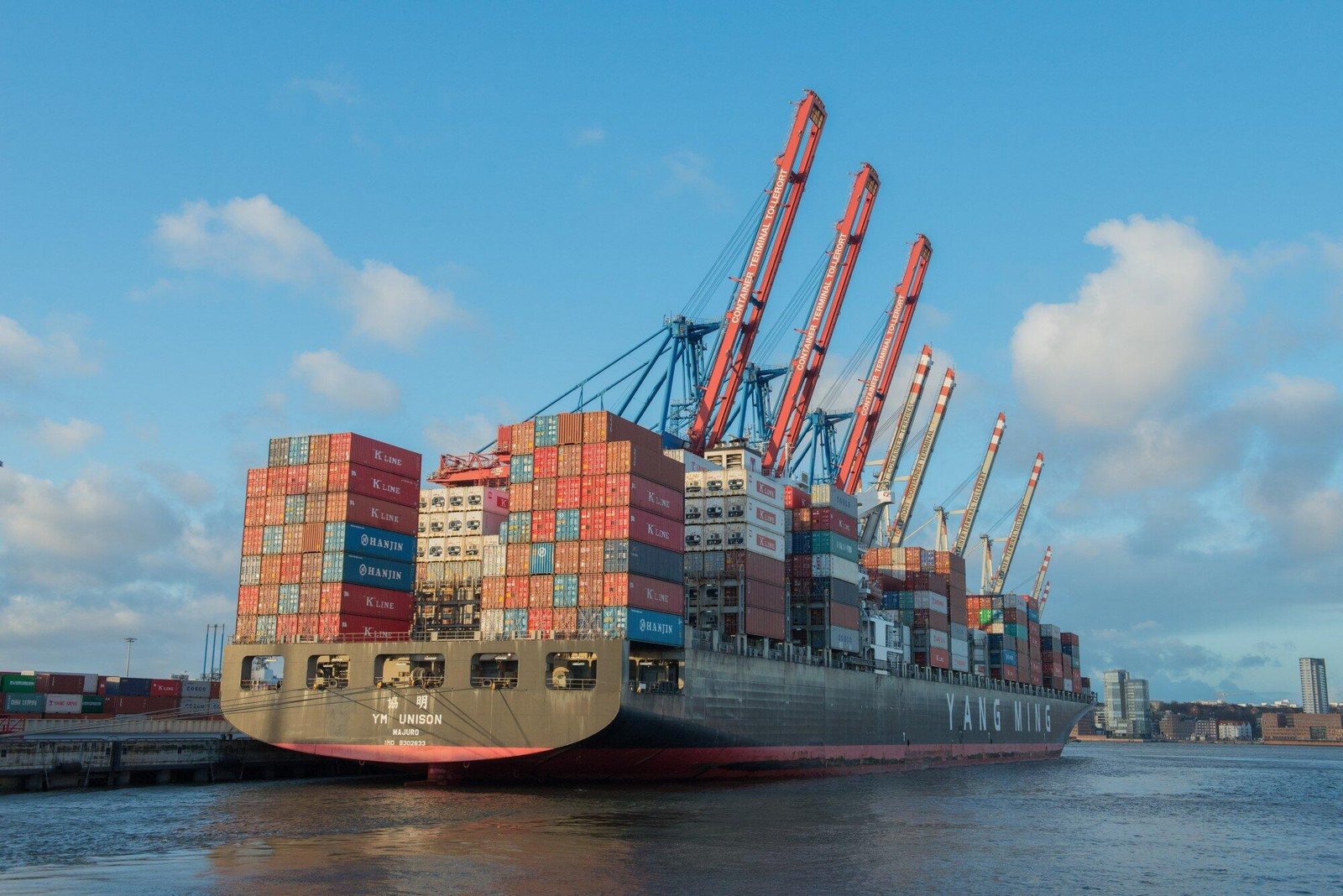
If your business imports products, you already know how fast costs can add up. Duties, shipping fees, storage, and other charges can shrink your margins before a product even reaches your customer. That is why many growing import businesses look for legal ways to recover money and protect cash flow.
One option is duty drawback. It sounds technical, but the idea is simple: if you paid certain import duties and later exported those goods (or similar goods), you may be able to claim some of that duty back.
This guide explains duty drawback in plain language so you can see if it fits your business.
What Is Duty Drawback?
Duty drawback is a refund program. It allows eligible importers, exporters, and manufacturers to recover duties, taxes, and certain fees paid to U.S. Customs when products are exported or destroyed under approved rules.
In many cases, businesses can recover up to 99% of eligible duties. That can be a major win for companies that move goods in and out of the country.
Why Duty Drawback Matters for Growing Importers
Small and mid-sized import businesses often run tight budgets. Duty drawback can help by putting money back into your operations. It improves monthly cash flow and increases net profit margins.
Duty drawback also lowers true landed product cost, supports better pricing in markets and frees cash for business growth. If your business is scaling, additional working capital can help you hire staff, purchase inventory, and expand more quickly without incurring more debt.
Who Can Qualify for Duty Drawback?
Many business owners assume the drawback is only for large corporations. That is not true. A growing importer may qualify if it can accurately document its import and export activities.
The key is matching your import records to qualifying export or destruction records. Good documentation is the heart of every drawback claim.
Common Types of Duty Drawback
Not all claims are the same. Here are common categories in simple terms:
Unused Merchandise Drawback
This type applies when you import goods and export them without using them in the United States. The product should remain in essentially the same condition before export.
Manufacturing Drawback
This type applies when imported materials are used to make a new product that is later exported. It supports businesses that import parts, process them, and ship finished goods to other markets.
Rejected Merchandise Drawback
This type applies when imported goods are defective, do not match specifications, or were shipped without proper approval. In these cases, the goods are usually exported back out or destroyed under customs rules.
Many businesses choose to work with a customs broker or drawback team to avoid costly errors. For example, CITTA Brokerage offers support for companies that want a clearer path through the duty drawback process.
What Records Do You Need?
Most drawback delays happen because of missing or weak records. Keep your files organized from day one. Important records often include entry summaries and duty payments, commercial invoices and packing lists, bills of lading and freight records, export filings and proof of export and inventory and lot tracking reports.
Your records should clearly connect imported goods to exported goods. If that link is weak, your claim may be reduced or denied.
Turn Duty Drawback Into Growth Capital
Duty drawback is one of the most practical ways growing import businesses can recover costs and improve margins. While the process has rules, the core idea is simple: if eligible imported goods are exported or destroyed, part of the duties paid may come back to you.
Keep exploring our site for more expert content today!