Health emergencies can strike when you least expect them, while cooking dinner, at work, or even during a quiet weekend at home. Most people tend to panic or downplay symptoms when something suddenly feels wrong. But the truth is, reacting calmly and knowing what steps to take can make a big difference in how quickly you recover or prevent a small issue from becoming serious.
From sudden dental pain to allergic reactions and minor injuries, everyday emergencies are part of life. The key is understanding which situations you can manage at home and when you need professional help. Whether you live in a busy city or a small community like Maple, Ontario, being prepared and knowing where to turn for quick care gives you peace of mind. Let’s explore some of the most common everyday health emergencies and what to do when they happen.
Dental Emergencies: When Your Smile Needs Urgent Care
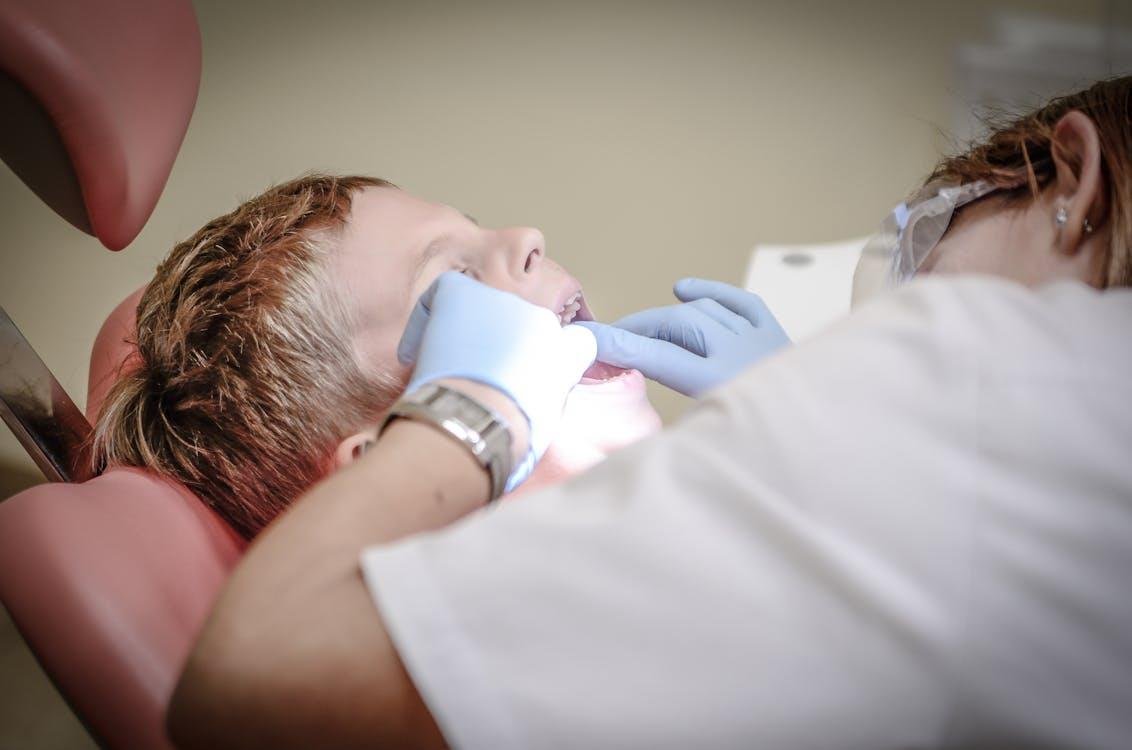
It’s easy to underestimate how painful or alarming a dental emergency can be until you experience one yourself. Whether it’s a chipped tooth while eating, a sudden toothache that wakes you up at night, or a cracked filling that exposes a sensitive nerve, dental issues can escalate fast if ignored. Unlike other aches or pains that might fade with rest, dental pain often worsens and may signal infection or nerve damage.
For instance, if you’re experiencing a dental problem and looking for an emergency dentist, Maple has multiple experts who can provide quick relief and prevent further complications. Local dental professionals in Maple provide same-day emergency appointments for issues such as severe toothaches, lost crowns, or bleeding gums. They can assess the problem immediately and treat it before it turns into something more serious, saving you time, discomfort, and potential long-term dental damage.
In the meantime, you can take simple steps to manage discomfort before visiting a dentist. Rinse your mouth with warm salt water to reduce bacteria, use a cold compress to control swelling, and avoid very hot or cold foods. If a tooth gets knocked out, try placing it in a small container of milk to preserve it temporarily. Acting quickly not only eases your pain but also increases the chances of saving your tooth.
Sprains, Strains, and Minor Fractures: When to Seek Help
Twisting your ankle during a jog or straining a muscle while lifting something heavy are common everyday injuries. The problem is, it can be hard to tell the difference between a simple sprain and a more serious fracture. Pain, swelling, and bruising often look similar in both cases.
The best way to handle these injuries initially is to follow the R.I.C.E. method: Rest, Ice, Compression, and Elevation. Rest the affected area and apply ice for 15 to 20 minutes every few hours during the first day. Light compression with a bandage and keeping the injured area elevated helps control swelling.
If you still can’t move the area after 24 hours, or if the pain feels sharp and persistent, it’s time to visit a doctor or urgent care clinic. Early diagnosis and treatment can prevent long-term joint problems or chronic pain.
Cuts, Burns, and Wounds: Knowing What’s Serious
Cuts and burns happen quickly, whether you’re chopping vegetables, ironing clothes, or working on a home project. While minor wounds often heal on their own, others require more attention.
For minor cuts, carefully clean the area with mild soap and water to help reduce the risk of infection. Apply an antiseptic and cover it with a clean bandage. If bleeding continues after 10 minutes of pressure or the wound is deep enough to see fat or tissue, seek medical help right away.
When it comes to burns, run cool, not cold, water over the area for at least 10 to 20 minutes. Avoid applying ice, as it can damage the skin further. Burns with blistering or peeling skin, or those covering large areas of the body, should be treated by a healthcare provider.
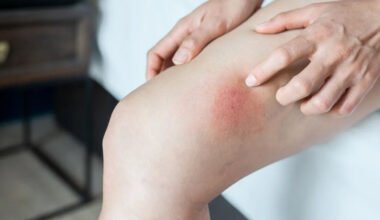
Keep an eye out for signs of infection, like redness, swelling, or pus. Even a small wound can turn serious if left untreated, so don’t ignore any changes.
Allergic Reactions and Breathing Issues
Allergies can appear suddenly, even if you’ve never had a problem before. Mild reactions might cause itchy eyes, sneezing, or hives, while severe allergies can lead to dangerous symptoms like throat swelling and difficulty breathing.
If you or someone around you experiences a mild allergic reaction, taking an over-the-counter antihistamine may help. However, if symptoms escalate to swelling of the face or tongue, trouble breathing, or dizziness, treat it as a medical emergency. Use an epinephrine auto-injector (if available) and call emergency services right away.
It’s also a good idea to identify what triggered the reaction, especially if it’s a new allergy. Avoiding the allergen in the future and keeping medications nearby can save your life.
Head Injuries and Fainting Episodes
Head injuries can range from minor bumps to serious concussions. Even a small hit to the head should be taken seriously, especially if you feel dizzy, confused, or nauseous afterward. Symptoms like blurred vision, vomiting, or loss of consciousness may indicate a concussion and require immediate medical evaluation.
If you or someone else faints, lay the person flat on their back and elevate their legs to help restore blood flow to the brain. Most fainting episodes are harmless, often triggered by dehydration, heat, or standing up too quickly. Still, if fainting happens repeatedly or after a head injury, it’s important to see a doctor.
Monitoring symptoms for the first 24 hours after a head injury can help prevent complications. Avoid strenuous activities and let your body rest.
Stomach Issues: Food Poisoning or Something More?
Digestive troubles are among the most common health complaints, but not all stomach issues are harmless. Food poisoning, for example, can develop within hours of eating contaminated food and may cause nausea, vomiting, and diarrhea.
If this happens, stay hydrated by drinking water or an electrolyte solution. Avoid heavy or greasy foods until your stomach settles. Most cases of food poisoning clear up within a day or two, but if symptoms persist beyond 48 hours or include high fever, severe pain, or blood in stool, seek medical care immediately.
Dehydration is a serious risk during stomach illnesses, especially for children and older adults. Small sips of water throughout the day can prevent it.
Everyday emergencies may seem unpredictable, but having the right knowledge and a plan in place can make them far less overwhelming. Whether it’s addressing sudden dental pain, managing a minor injury, or recognizing when to seek help for something serious, acting quickly can make all the difference.
Remember: your health and safety should never be an afterthought. Take time to prepare, learn, and stay aware of the warning signs your body gives you. With the right steps and presence of mind, you can handle most everyday emergencies with confidence and care, protecting both your well-being and peace of mind.