Drop-weight impact testing answers a simple question: will a steel fracture suddenly at the temperatures where it must work. Pendulum tests show absorbed energy on small bars. Drop-weight methods look at bigger sections and fracture mode, which is often what matters in service. Modern drop-weight testing systems help here: they keep drop height consistent, track temperature, and produce clean records that labs can review later.
ASTM E208 sets the nil-ductility transition temperature, or NDTT, for ferritic steels of roughly 16 millimeters thickness and above. Engineers use that temperature as a screening point for cold service. The drop-weight tear test, used on larger specimens, examines how a crack starts and whether it runs. Together, these tests complement Charpy data, especially for thick plate, weldments, and chilled environments.
What Drop-Weight Methods Actually Measure
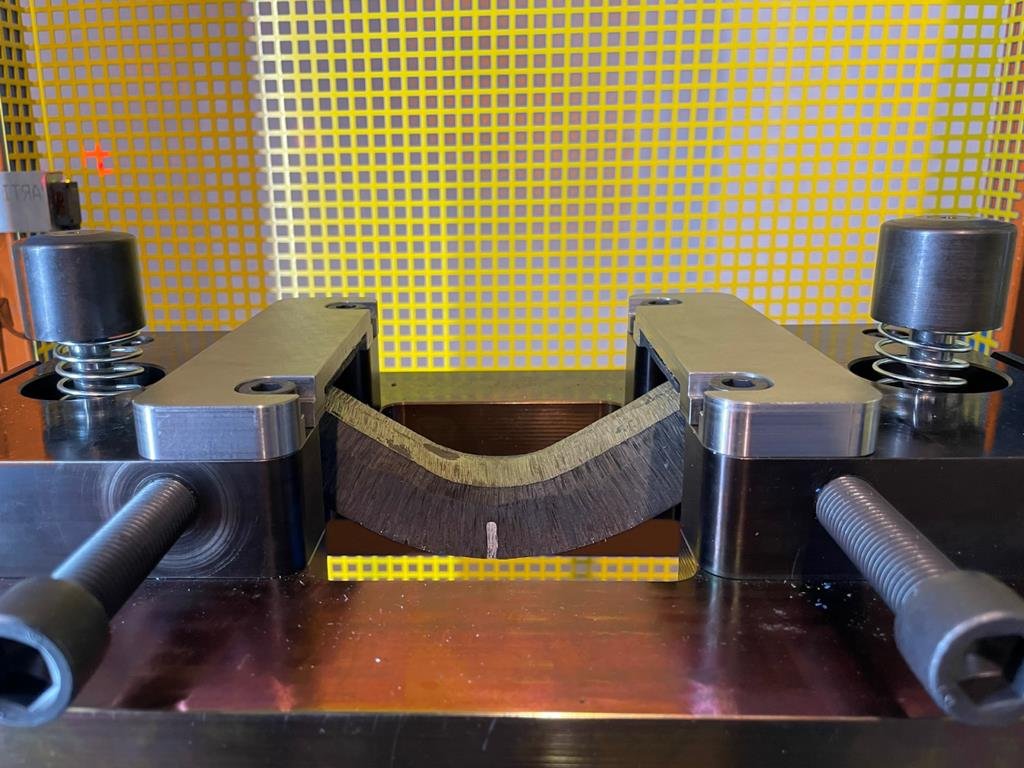
The Pellini drop-weight test in ASTM E208 establishes NDTT. A bead is deposited on the specimen, the sample is cooled to target temperatures, and the striker delivers a repeatable blow. The lowest temperature that still causes brittle fracture becomes the NDTT. That number frames the safe operating window for a grade and thickness. Teams often set a margin below expected service temperature to account for variability and welding effects in their metal testing machines and systems.
The drop-weight tear test uses larger samples and reports fracture appearance, most notably the percent shear area. More shear means more ductile behavior and better resistance to a running crack. This is why DWTT appears in pipeline work and heavy plate programs. The method also reveals arrest behavior that small Charpy bars cannot show. Results are not interchangeable with Charpy. Charpy trends absorbed energy on a small notched bar. Drop-weight methods target transition temperature and fracture mode on larger bodies. Many labs run both and read them together across their metal testing systems.
Where Drop-Weight Data Guides Selection
Pipeline and line-pipe steels rely on DWTT to screen for running fracture control. Operators want cracks to blunt and stop rather than travel down the line. Percent shear targets and arrest behavior help set acceptance bands before a mill heat moves forward. The approach is common in gas transmission, where long sections and low temperatures raise the stakes.
Heavy plate for cold storage, offshore structures, or arctic projects faces a similar question. Charpy may trend well at room temperature, yet brittle behavior can appear as the thermometer drops. NDTT offers a quick temperature yardstick for the base steel. DWTT adds a view of how a real crack behaves in a larger body. Together with Charpy, weld procedure records, and thickness effects, these results shorten the shortlist to grades that fit the service envelope.
In practice, teams combine signals. NDTT defines a temperature limit. DWTT shows fracture appearance and arrest potential. Charpy tracks energy trends across heats and weld zones. Used together, they reduce surprises later in production and service.
Running The Test And Reading The Numbers
Specimen geometry drives outcomes long before the hammer drops. Plate thickness, width, and length must match the method. The starter notch or bead must be uniform and correctly placed. Small deviations change stress concentration and shift the fracture mode. Release height and striker mass control impact severity, so labs record both for each run. Temperature is the final lever. Soak time, transfer time, and the way specimens are handled between bath and anvil all affect results.
Computer-controlled drop-weight impact testing adds repeatability and a clear audit trail. The system holds drop height within a tight band, logs every variable, and timestamps each strike. Operators select the method, enter specimen details, and export a complete record for review. That helps when lots are compared months later or when an auditor asks how a specific number was produced.
Reading the outputs starts with two signals. NDTT sets a temperature below which brittle fracture is likely for a given steel and thickness. DWTT adds fracture appearance, often summarized as percent shear area, which shows whether a crack tends to run or arrest. Teams rarely stop at a single number. They look at NDTT, percent shear, and Charpy trends next to mill certificates, weld procedure records, and the service envelope. Correctly selected drop-weight testing systems make it possible to capture the variables your specification requires and to report them in a way decision makers can trust.
From Lab Data To A Shortlist
Drop-weight results narrow options fast. An NDTT above the expected minimum service temperature pushes a grade off the list. Low percent shear in DWTT suggests poor arrest behavior, which is risky for long pipeline runs and cold exposure. When those two signals look sound, engineers cross-check Charpy energy trends, review welding data, and consider thickness effects before a purchase moves forward.
Most programs adopt a simple rule: never rely on one test. A practical package combines NDTT for a temperature yardstick, DWTT for fracture behavior, and Charpy for energy trends, then folds in specification clauses and code limits. Clean reporting matters. Each lot should carry the method used, conditioning details, striker and drop settings, and the full temperature record. With that paper trail, future heats can be compared on equal terms.
For projects with tight schedules, a brief consultation with the primary standards and sector specifications keeps acceptance limits grounded in current practice. If you need help choosing drop-weight impact testing equipment for your requirements, please request a quote or contact us directly. Our team will help you match capacity, fixtures, and data capture to your test plan.