The Evolution of Advanced Clinical Diagnostics and Specialized Medical Treatments
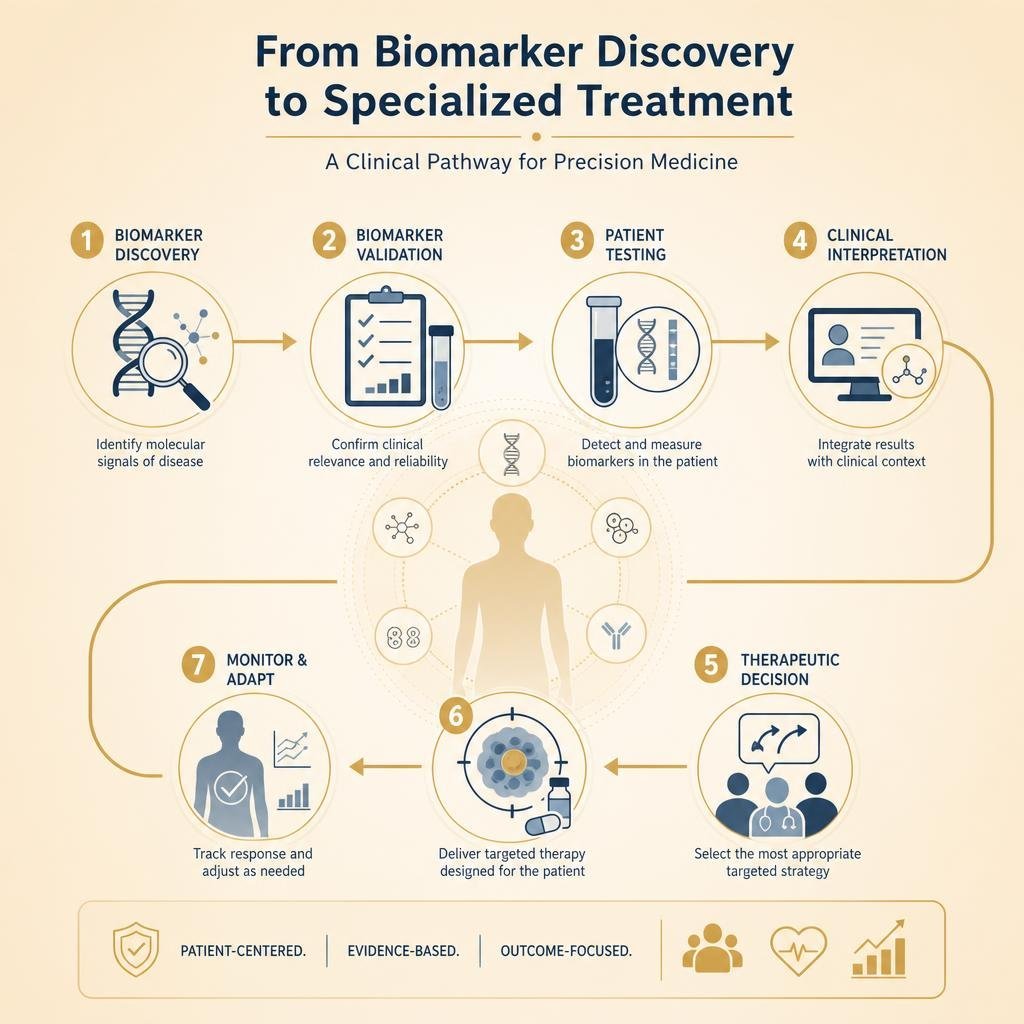
The medical field has always sought to peer deeper into the human body, but the past decade has ushered in an era of unprecedented clarity. Advanced clinical diagnostics are no longer just about identifying disease; they are about understanding its unique molecular signature, predicting its trajectory, and tailoring interventions with pinpoint accuracy. This evolution is fundamentally reshaping how we approach patient care, moving beyond a one-size-fits-all model to truly personalized medicine.
At the heart of this transformation are advancements in molecular pathology, which has moved from broad tissue analysis to intricate genomic profiling. High-throughput sequencing technologies now allow us to rapidly map an individual’s genetic makeup, identifying predispositions, specific disease drivers, and potential therapeutic targets. Complementing this, liquid biopsy techniques offer a less invasive way to detect cancer or other conditions through simple blood tests, analyzing circulating tumor DNA (ctDNA) or other biomarkers. This capability allows for earlier detection, monitoring of treatment response, and identification of resistance mechanisms without the need for repeat tissue biopsies.
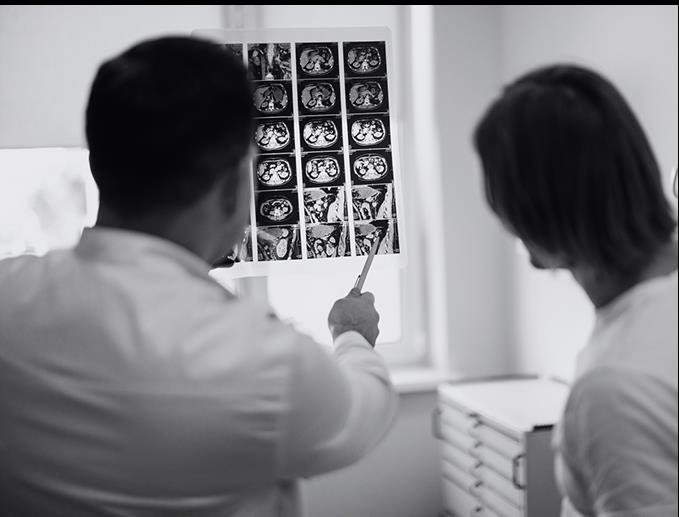
Radiomics, an emerging field, extracts vast amounts of quantitative features from medical images using sophisticated algorithms. These features, often imperceptible to the human eye, can provide deeper insights into disease phenotyping, helping clinicians better characterize tumors, predict their behavior, and assess treatment efficacy. The convergence of these diagnostic tools provides a comprehensive picture of a patient’s health, enabling a level of precision and personalized intervention that was once unimaginable. For instance, AI algorithms for lung cancer screening on chest X-rays now achieve sensitivities ranging from 56.4% to 95.7%, a significant improvement over radiologists’ sensitivity of 23.2% to 76%, highlighting the power of these advanced diagnostic methods.
Integrating Next-Generation Molecular Profiling
Next-generation sequencing (NGS) stands as a cornerstone of modern molecular diagnostics. Beyond simply identifying mutations, NGS allows for comprehensive gene-expression profiling, revealing how genes are turned on or off in disease states. This provides critical information for understanding disease mechanisms and identifying novel drug targets. The analysis of circulating tumor DNA (ctDNA) in liquid biopsies, for example, is rapidly becoming a standard practice in oncology. By detecting tiny fragments of tumor DNA in the bloodstream, clinicians can monitor disease progression, identify emerging resistance to therapies, and even detect residual disease after treatment, often months before it would be visible on imaging.
Single-cell genomics takes this a step further, allowing researchers to analyze the genetic material of individual cells, rather than averaging across a bulk tissue sample. This is particularly crucial in heterogeneous diseases like cancer, where different cells within a single tumor can have distinct genetic profiles, influencing treatment response. Epigenetic assays, which study changes in gene expression not caused by alterations in the DNA sequence itself, are also gaining traction, offering new avenues for understanding disease pathogenesis and identifying biomarkers. These advanced techniques, often employed in targeted panels, ensure that treatment decisions are based on the most granular and precise molecular information available.
Real-Time Neurological and Physiological Assessment
Beyond molecular insights, real-time monitoring of physiological parameters is crucial for managing complex conditions, particularly in critical care and neurology. Neuro-telemetry, for instance, allows for continuous, remote monitoring of brain activity, enabling early detection of seizures or other neurological events in patients outside of intensive care settings. Similarly, continuous electroencephalography (EEG) provides an ongoing window into brain function, essential for diagnosing and managing conditions like epilepsy or assessing brain activity in comatose patients.
The ability to monitor these vital signs and neurological functions remotely and continuously is transforming patient management, especially for those with chronic or acute neurological disorders. Companies specializing in remote continuous EEG monitoring exemplify how technology can bring specialized diagnostics directly to the patient, enhancing safety and improving response times. This real-time data, combined with biomarker kinetics—the study of how biomarkers change over time—allows for dynamic assessment of disease activity and treatment response. Point-of-care diagnostics are also advancing rapidly, bringing sophisticated tests from centralized laboratories directly to the patient’s bedside or even into their homes, accelerating diagnosis and treatment initiation. These innovations are critical for providing timely interventions and improving outcomes in rapidly evolving clinical scenarios.
Artificial Intelligence and Multimodal Data in Clinical Decision-Making
The sheer volume and complexity of data generated by advanced diagnostics necessitate equally advanced analytical tools. Artificial intelligence (AI), encompassing machine learning (ML) and deep learning (DL), is rapidly becoming indispensable in clinical decision-making. Coupled with natural language processing (NLP), which can extract meaningful insights from unstructured clinical notes and reports, AI is enabling multimodal data fusion—integrating information from genomics, imaging, electronic health records (EHRs), and wearables to create a holistic patient profile. This algorithmic precision is streamlining clinical workflows, reducing diagnostic errors, and accelerating the path to personalized treatment. AI-driven EHR models, for example, can predict critical clinical outcomes like in-hospital mortality, readmissions, and sepsis onset with predictive accuracies exceeding 85%.
Enhancing Imaging Precision and Diagnostic Accuracy with Advanced Clinical Diagnostics and Specialized Medical Treatments
One of the most impactful applications of AI in diagnostics is in medical imaging. Convolutional Neural Networks (CNNs), a type of deep learning algorithm, excel at image recognition and are being deployed to analyze X-rays, CT scans, MRIs, and pathology slides with remarkable accuracy. These AI systems can perform automated lesion segmentation, precisely outlining abnormalities that might be subtle or easily missed by the human eye.
This capability significantly enhances diagnostic sensitivity and specificity. For instance, a deep learning model for breast cancer classification achieved an average accuracy of 93.2% across eight classes (four benign and four malignant), demonstrating its potential to assist radiologists in complex interpretations. By acting as a “second pair of eyes,” AI can help reduce false positives and negatives, leading to earlier and more accurate diagnoses, ultimately transforming patient care pathways.
Predictive Analytics for Hospital Outcomes and Early Intervention
Beyond image analysis, AI’s ability to process and interpret vast datasets from electronic health records (EHRs) is revolutionizing predictive analytics in healthcare. By applying natural language processing to unstructured EHR data—such as physician notes, discharge summaries, and lab results—AI can identify subtle patterns and risk factors that might escape human detection. This capability allows for the development of sophisticated predictive models for various hospital outcomes.
For example, AI models can accurately predict sepsis onset, a life-threatening condition, allowing for earlier intervention and improved survival rates. They can also forecast the likelihood of hospital readmissions, enabling healthcare providers to implement targeted interventions and care coordination strategies to prevent recurrence. Furthermore, AI contributes to mortality risk stratification and predictive epidemiology, helping public health officials anticipate and respond to disease outbreaks, such as influenza epidemics, with up to 85% accuracy by analyzing social media and weather patterns. These clinical alert systems are transforming reactive care into proactive prevention, significantly improving patient safety and resource allocation.
Targeted Therapeutics and Specialized Interventions for Complex Conditions
The advancements in diagnostics have paved the way for a new generation of specialized medical treatments that are highly targeted and often curative. Theranostics, a portmanteau of “therapeutics” and “diagnostics,” is a prime example. This emerging field combines diagnostic imaging with targeted radionuclide therapy, allowing clinicians to precisely identify disease sites—particularly metastatic cancers—and then deliver a therapeutic dose of radiation directly to those cells, sparing healthy tissue. Mayo Clinic, for instance, is a leader in radiopharmaceutical theranostics, leveraging this technology to treat people with metastatic cancer.
Beyond theranostics, cellular therapy, including CAR-T cell therapy and hematopoietic stem cell transplantation (HSCT), is offering new hope for various cancers and blood disorders. Gene editing technologies, such as CRISPR/Cas9, are moving from research labs to clinical application, offering the potential for one-time functional cures for genetic diseases like sickle cell disease and beta thalassemia. These complex cases are often discussed in molecular tumor boards, where multidisciplinary teams review genomic data alongside clinical findings to identify the most promising interventional oncology strategies, including targeted biologics that specifically block cancer growth pathways.
Applying Advanced Clinical Diagnostics and Specialized Medical Treatments in Organ-Specific Care
The application of advanced diagnostics and specialized treatments is particularly impactful in organ-specific care, where precision can significantly improve outcomes. In oncology, multidisciplinary tumor boards are essential, bringing together oncologists, surgeons, radiologists, pathologists, and geneticists to collaboratively define personalized diagnostic and treatment plans. This approach ensures that all available information, from genomic profiling to imaging, is considered for complex cases.
For instance, in urology, advanced diagnostics are revolutionizing the management of conditions like prostate cancer. Innovations in prostate biomarkers, alongside advanced imaging, allow for more accurate diagnosis and risk stratification. This precision guides decisions on treatment, from active surveillance to minimally invasive urology procedures. The recognition of specialized expertise through subspecialty credentialing ensures that patients receive care from highly qualified professionals. A patient-centered urology practice exemplifies how these specialized approaches, combined with a focus on individual patient needs, can lead to optimal outcomes. Such practices prioritize integrating advanced diagnostics to tailor treatments, whether for complex cancer cases or more common urological conditions.
Interventional Strategies and Restorative Modalities
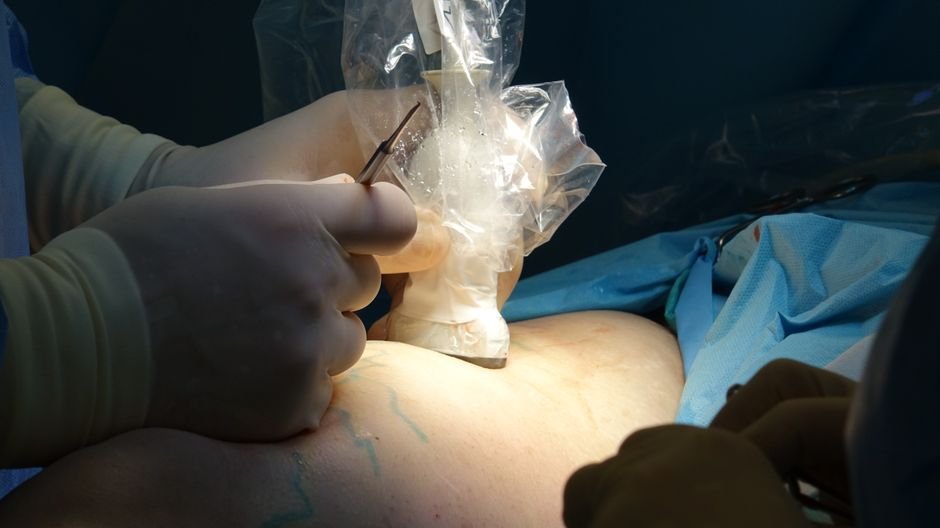
Beyond systemic therapies, specialized interventional medical care is evolving rapidly, offering minimally invasive yet highly effective treatments for a range of conditions. Image-guided interventions, utilizing advanced imaging modalities like CT, MRI, and ultrasound, allow physicians to perform precise procedures with real-time visualization. This enhances safety and efficacy for biopsies, tumor ablations, and targeted drug delivery.
Neuromodulation techniques, such as spinal cord stimulation or deep brain stimulation, are providing relief for chronic pain and neurological disorders when conventional treatments fail. These interventions often require highly specialized expertise and careful patient selection, informed by advanced diagnostics. Furthermore, targeted rehabilitation programs are integrating with these advanced treatments, leveraging data from wearables and other monitoring devices to optimize recovery pathways. For individuals managing chronic pain, non-surgical pain management offers a spectrum of advanced interventional techniques, from nerve blocks to regenerative medicine protocols, providing alternatives to surgery and improving quality of life. Regenerative medicine, including stem cell therapies, is also showing promise in repairing damaged tissues and restoring function, further expanding the arsenal of specialized interventions. These combined approaches represent a paradigm shift towards highly individualized and effective patient care.
Commercialization Pathways, Regulatory Adaptation, and Ethical Governance
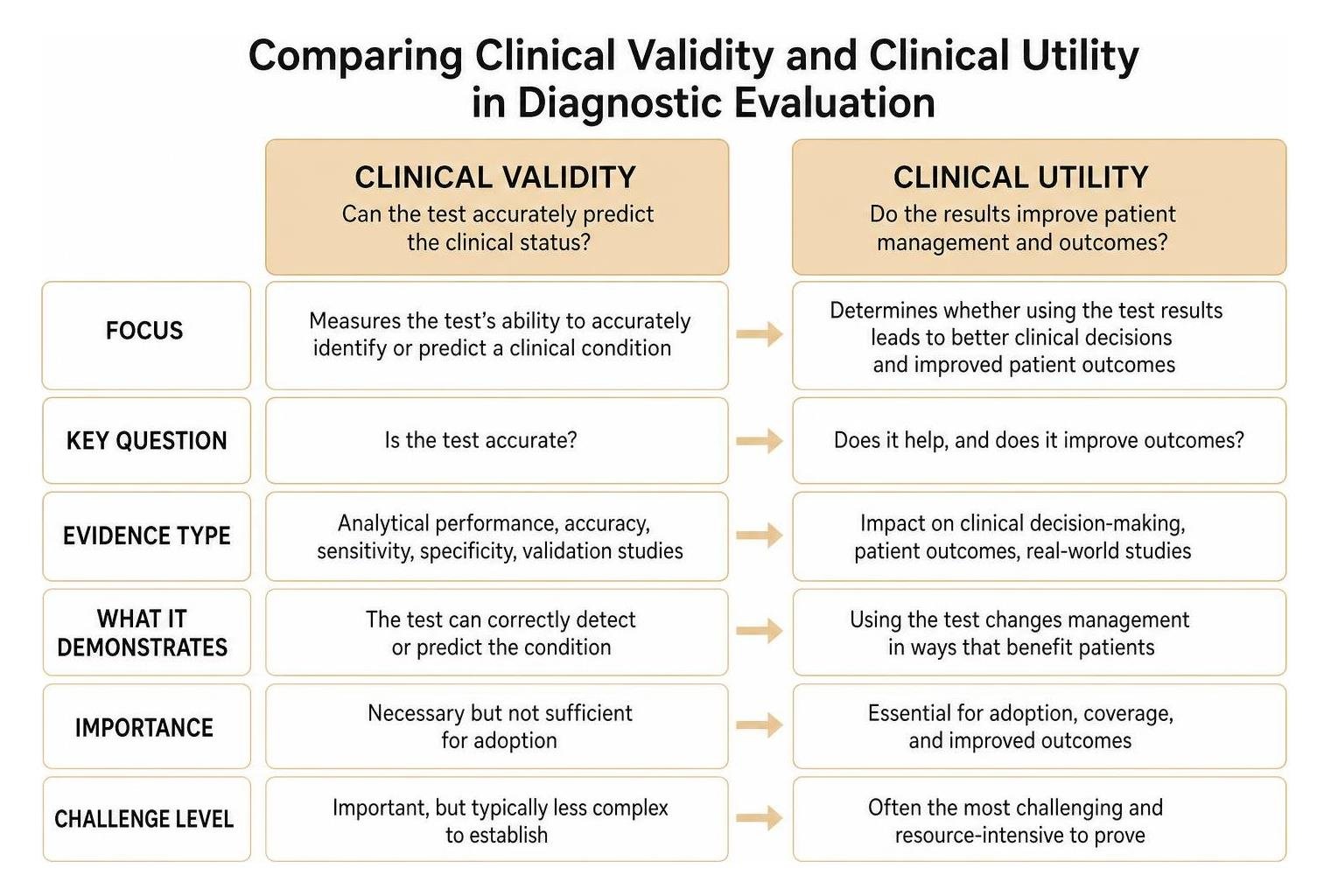
Bringing advanced diagnostics and specialized treatments from research to widespread clinical adoption is a complex journey fraught with commercial, regulatory, and ethical considerations. The path to market requires rigorous demonstration of analytical validity (the test’s ability to accurately measure what it intends to), clinical validity (its ability to accurately predict a patient’s clinical status), and, crucially, clinical utility (the ability of the test’s results to inform clinical decision-making that directly improves patient outcomes). Proving clinical utility is often the most challenging and expensive step, yet it is essential for securing FDA clearance, appropriate CPT coding, and payer coverage.
Regulatory frameworks are continuously evolving to keep pace with the rapid adoption of AI and novel therapeutics. The first FDA approval of a cloud-based deep learning clinical application in 2017 marked a pivotal moment, signaling regulatory acceptance of AI in diagnostics. However, challenges remain, particularly concerning algorithmic bias. AI models, if trained on unrepresentative datasets, can perpetuate and even amplify existing healthcare disparities. Ensuring health equity requires diverse training datasets, transparent model development, and continuous monitoring. Furthermore, the interpretability of AI models—understanding why an AI makes a particular recommendation—is critical for clinician trust and accountability. Ethical governance also extends to data privacy, especially with the integration of multimodal data. Decentralized diagnostics, including point-of-care and at-home testing, present their own set of regulatory and quality assurance challenges, requiring robust oversight to ensure accuracy and reliability.
The commercialization process for advanced diagnostics can take up to a decade and over $100 million before reaching profitability, with companies often operating at negative profitability even with significant revenue. This underscores the need for strategic engagement with stakeholders—including regulatory bodies, payers, and clinical guideline organizations—from the earliest stages of development.
Frequently Asked Questions About Advanced Diagnostics and Specialized Therapies
As advanced diagnostics and specialized therapies become more integrated into routine care, patients and providers often have questions regarding their application and implications. Understanding these nuances is crucial for informed decision-making.
What is the difference between clinical validity and clinical utility in diagnostic testing?
Clinical validity refers to how accurately a diagnostic test identifies or predicts a particular clinical condition or outcome. For example, if a genetic test is clinically valid, it reliably detects the presence of a specific gene mutation associated with a disease. It’s about the test’s predictive accuracy in relation to a patient’s health status.
Clinical utility, on the other hand, goes beyond mere accuracy. It measures whether the results of a diagnostic test lead to therapeutic decision-making that ultimately improves patient outcomes. A test with high clinical utility not only provides accurate information but also changes how patients are managed in a way that benefits their health, such as leading to a more effective treatment, preventing adverse events, or improving quality of life. Regulatory benchmarks for new diagnostics increasingly emphasize clinical utility, as it directly demonstrates the value proposition of a test in real-world clinical practice.
How does theranostics combine diagnostic imaging with targeted treatment?
Theranostics represents a specialized medical field that bridges the divide between disease identification and targeted therapy, unifying them into a single platform. It utilizes radiopharmaceuticals that consist of two main components: a targeting molecule and a radioisotope. The targeting molecule is designed to bind specifically to molecular targets expressed on disease cells, such as cancer cells.
For diagnostic purposes, a low-dose radioisotope is attached to the targeting molecule. When injected into the patient, it accumulates at the disease site, which can then be visualized using imaging techniques like PET (Positron Emission Tomography) scans. This allows for precise localization of the disease, including metastatic cancer spread that might be difficult to detect otherwise.
Once the disease is confirmed and localized, a therapeutic dose of a different, higher-energy radioisotope is attached to the same or a similar targeting molecule. This therapeutic radiopharmaceutical is then administered, delivering a concentrated dose of radiation directly to the identified disease cells. This targeted radioisotope delivery minimizes damage to surrounding healthy tissues, offering a highly effective and less toxic treatment option, particularly for metastatic cancer.
How are healthcare systems addressing algorithmic bias and data privacy in AI diagnostics?
Addressing algorithmic bias and ensuring data privacy are paramount for the ethical and equitable deployment of AI in healthcare. Healthcare systems are implementing several strategies:
- Training Dataset Diversity:To mitigate bias, AI models are increasingly trained on diverse and representative patient populations, encompassing various demographics, ethnicities, and socioeconomic backgrounds. This helps ensure that the algorithms perform accurately across all groups and do not disproportionately misdiagnose or mismanage specific patient cohorts.
- Human-in-the-Loop Oversight:Rather than fully automating decisions, many AI diagnostic systems incorporate “human-in-the-loop” oversight. This means that AI provides recommendations or insights, but a human clinician makes the final decision, interpreting the AI’s output in the context of the patient’s full clinical picture. This maintains accountability and allows for correction of potential algorithmic errors.
- Federated Learning:To protect patient data privacy, federated learning approaches are being explored. Instead of centralizing sensitive patient data, AI models are sent to local datasets at different institutions, trained there, and then only the learned parameters (not the raw data) are aggregated. This allows for model improvement without compromising patient confidentiality.
- Model Interpretability:Efforts are focused on developing “explainable AI” (XAI) models. These models are designed to be more transparent, allowing clinicians to understand the rationale behind an AI’s diagnostic conclusions. This interpretability builds trust and facilitates better clinical decision-making.
- Data Compliance and Governance:Healthcare systems adhere strictly to regulatory frameworks like HIPAA (Health Insurance Portability and Accountability Act) and GDPR (General Data Protection Regulation). Robust data governance policies, secure data storage, anonymization techniques, and strict access controls are implemented to safeguard patient information. Regular audits and ethical review boards also play a crucial role in ensuring responsible AI deployment.
Conclusion
The journey through the realm of advanced clinical diagnostics and specialized medical treatments reveals a future where healthcare is increasingly precise, personalized, and proactive. From the intricate insights provided by molecular profiling and real-time physiological monitoring to the transformative power of AI in interpreting complex data and guiding therapeutic decisions, we are witnessing a fundamental shift in patient care.
The convergence of diagnostic and therapeutic approaches, exemplified by theranostics and gene editing, offers unprecedented hope for conditions once considered intractable. However, realizing the full potential of these innovations requires careful navigation of commercialization pathways, continuous adaptation of regulatory frameworks, and unwavering commitment to ethical governance, particularly in addressing algorithmic bias and ensuring health equity.
The goal remains patient-centered delivery. By fostering multidisciplinary integration, embracing technological advancements, and ensuring that these powerful tools are accessible and equitable, we can continue to transform complex diseases into treatable conditions, improving outcomes and enhancing the quality of life for individuals worldwide. The ongoing collaboration between researchers, clinicians, technologists, and policymakers will define the future of medicine, making advanced diagnostics and specialized treatments a cornerstone of healthcare for generations to come.