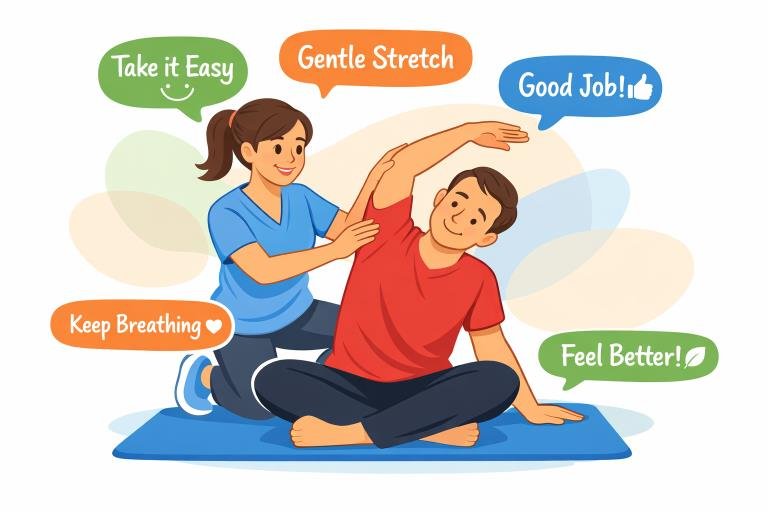
For many individuals living with chronic pain, finding sustainable relief is a priority for improving daily living and long-term health. Physical therapy, a proven non-invasive approach, offers an effective pathway toward pain reduction, better mobility, and improved quality of life. By customizing treatments to address unique needs, physical therapists empower patients to take control of their recovery process. At The Houston Spine & Rehabilitation Centers, patients can explore a variety of physical therapy techniques designed to manage and alleviate persistent pain.
Physical therapy does not just address symptoms. Therapists target the root causes of discomfort, working to restore overall function through a combination of manual techniques, therapeutic exercise, and education. This integrative approach helps minimize the use of pain medications and supports lifelong wellness for individuals experiencing acute or chronic pain.
Understanding Physical Therapy
Physical therapy is a healthcare specialty centered on diagnosing, treating, and preventing physical impairments and disabilities through skilled interventions. Physical therapists use their clinical expertise to design personalized care plans that help restore strength, flexibility, and endurance, thereby reducing the burden of pain. Whether managing pain after an injury or addressing ongoing discomfort from chronic illness, patients benefit from the holistic and science-backed principles of physical therapy.
The collaborative relationship between therapist and patient is a cornerstone of the treatment process. This partnership results in not only pain relief but also education about the mechanics of movement and how to prevent future injuries. The effectiveness of physical therapy has been supported by extensive research and is recognized as a critical component in multidisciplinary pain management programs, according to the American Physical Therapy Association.
Common Physical Therapy Techniques for Pain Relief
Physical therapists draw from a variety of techniques to address different types of pain and physical limitations. Some of the most widely used techniques include:
- Manual Therapy:Involves hands-on manipulation of muscles and joints to alleviate pain, increase mobility, and promote tissue healing. This can include joint mobilization, soft tissue massage, and stretching.
- Therapeutic Exercises:Individualized exercise regimens help strengthen weak muscles, restore joint function, and improve flexibility. The exercises are tailored to the patient’s current abilities and goals.
- Modalities:Modalities such as heat packs, ice therapy, ultrasound, and transcutaneous electrical nerve stimulation (TENS) are often used to decrease pain and inflammation, prepare the body for exercise, or speed up healing.
- Education and Ergonomic Training:Teaching patients about proper posture, movement strategies, and body mechanics can prevent recurrence of pain and reduce strain on vulnerable areas.
Benefits of Physical Therapy in Pain Management
Physical therapy can be a transformative solution for individuals grappling with pain by offering benefits beyond medication or passive treatments. Notable advantages include:
- Reduced Dependence on Medications:By addressing the origin of pain, physical therapy helps limit the need for painkillers. This approach can especially reduce the reliance on opioids, an important consideration in the context of the ongoing opioid crisis.
- Enhanced Mobility and Independence:Restoring strength and joint flexibility results in improved daily function and independence, allowing patients to reclaim activities they might have avoided due to pain.
- Tailored, Patient-Centered Care:Physical therapists design individualized programs based on each patient’s goals, ensuring a more targeted and effective approach to pain relief.
Conditions Addressed by Physical Therapy
Physical therapy can address a broad range of medical conditions, helping people regain function and live more comfortably. Key conditions commonly managed with physical therapy include:
- Chronic Back Pain:Techniques such as cognitive functional therapy build confidence, restore strength, and teach lifestyle adaptations for lasting relief.
- Arthritis:Through targeted exercise, manual therapy, and joint protection strategies, physical therapy helps reduce stiffness and improve overall joint function.
- Post-Surgical Rehabilitation:Following surgical procedures, physical therapy accelerates recovery, reduces pain, and supports safe reintegration into normal activities.
Incorporating Physical Therapy into Your Pain Management Plan
Integrating physical therapy into your pain management strategy is an important step toward lasting relief. Start by consulting your primary care provider or pain specialist, who can refer you to a licensed physical therapist in your area. Together, you will develop a treatment plan that is tailored to your unique situation and goals.
Success in physical therapy depends on active participation and consistent effort. Attending scheduled sessions and following your therapist’s recommendations between visits will help you achieve the best results. Setting realistic goals and maintaining open communication with your therapist are also key factors in maximizing your progress.
Conclusion
Physical therapy delivers holistic pain management by addressing the underlying causes of discomfort, enhancing function, and providing the tools needed for long-term health. This approach empowers individuals to lead more active, pain-free lives without excessive reliance on medications or invasive procedures. Whether you are recovering from an injury, managing a chronic condition, or seeking preventive care, physical therapy offers evidence-based solutions to support well-being and vitality.