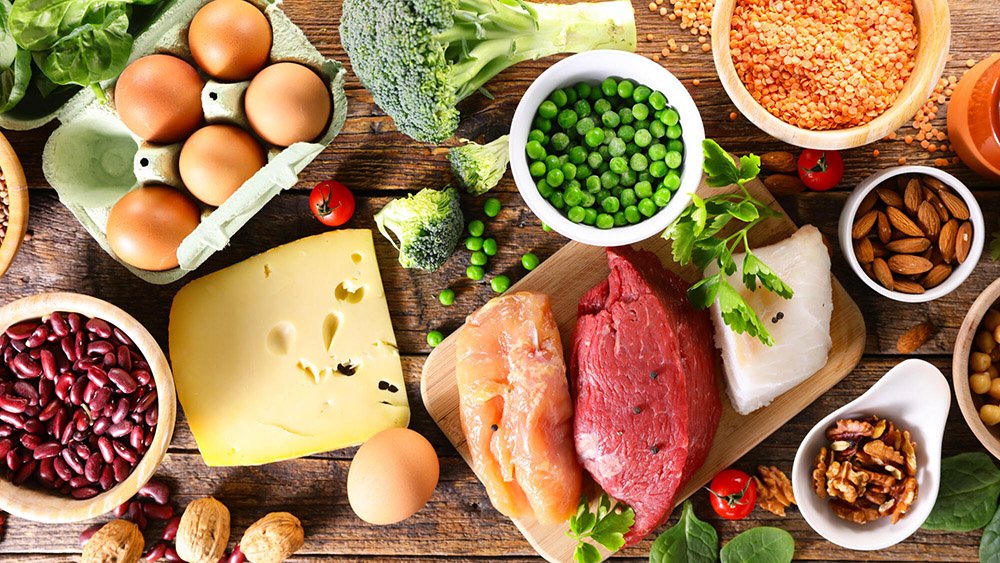
Protein is the building block of nearly everything your body does – from repairing muscle and building enzymes to keeping hunger in check and supporting immune function. But not all proteins are created equal. Choosing the right protein sources can help you meet your goals (muscle, weight loss, energy, or just general health) while keeping meals interesting and sustainable.
Here’s a practical, evidence-forward guide to the best healthy protein options and how to use them. Read on.
Why Protein Matters
Protein provides amino acids – some your body can make, others it can’t (those are the essential amino acids). Getting enough high-quality protein helps preserve lean mass, supports recovery after exercise, stabilizes blood sugar, and boosts satiety so you’re less likely to overeat. Aim to spread protein intake across the day (roughly 20-40 g per meal for most adults, depending on goals and body size) rather than loading one meal and skimping the rest of the day.
Top Animal-based Protein Picks
Animal proteins generally provide all essential amino acids and are usually more bioavailable (easier for your body to use). They’re great if you eat meat, dairy, or eggs.
Chicken breast
Lean, versatile, and high in protein (about 25-30 g per 100 g cooked). It absorbs flavors well, making it easy to use in many cuisines.
Turkey
Similar to chicken but with a slightly different flavor and nutrient profile, lean ground turkey is excellent for swaps in tacos or burgers. It’s also great for those looking to cut down on red meat without sacrificing protein.
Eggs
A complete protein with vitamins and minerals; one large egg has ~6-7 g protein. They cook quickly, making them one of the most convenient protein options.
Lean beef
Rich in iron, B12, and creatine, with roughly 25-30 g of protein per 100 g cooked. Choosing lean cuts helps reduce saturated fat intake while keeping nutrition high.
Fish and Seafood
Salmon, tuna, cod, shrimp, and sardines offer high-quality protein plus healthy fats like omega-3s. They’re also typically easier to digest compared to heavier meats.
Greek Yogurt/Cottage Cheese
Dairy proteins (casein and whey) provide essential amino acids, with Greek yogurt offering 10-20 g of protein per serving. They can double as snacks or ingredients for both sweet and savory dishes.
Top Plant-based Protein Picks
Lentils provide about 9 grams of protein per 100 grams cooked and are also rich in fiber and iron, making them one of the most dependable plant-based protein sources. They work well in soups, salads, and curries, giving meals both structure and nutrition. Chickpeas offer a similar amount of protein and are versatile enough to be used in hummus, roasted snacks, stews, and grain bowls, adding a satisfying blend of flavor and texture.
Tofu and tempeh stand out as complete plant proteins. Tofu’s mild taste makes it ideal for absorbing sauces, while tempeh’s firmer, nuttier profile delivers 15-20 grams of protein per 100 grams and fits well in stir-fries or sandwiches. Edamame is another soy-based option with about 11 grams of protein per 100 grams and works easily as a snack or salad topping.
Quinoa contributes 4-5 grams of complete protein per cooked cup and pairs well with vegetables and legumes. Seitan, with up to 25 grams of protein per 100 grams, offers a meat-like texture, while nuts and seeds add valuable protein, healthy fats, and crunch to meals.
Convenient Protein Boosters
Life is busy – here are easy ways to raise protein content without reinventing your meals:
Add Greek yogurt or cottage cheese to smoothies. Stir protein powder (whey, casein, pea, rice, or blended plant powders) into oats or shakes. Top salads with roasted chickpeas, edamame, or grilled chicken.
Keep hard-boiled eggs or tuna packets in the fridge for fast, high-protein snacks. Sprinkle hemp seeds or nut butter on yogurt, porridge, or toast.
How to Pick the Best Protein for Your Goals
If your goal is muscle gain, choose complete and highly bioavailable protein sources such as eggs, dairy, lean meats, and whey protein, aiming for about 1.6-2.2 grams of protein per kilogram of bodyweight daily. For weight loss, focus on lean meats, fish, legumes, and Greek yogurt, which offer high protein with fewer calories and help keep you full.
If heart health is a priority, emphasize fish, legumes, nuts, and plant-based proteins while limiting processed meats and selecting lean cuts when eating red meat. For plant-based diets, combine a variety of plant proteins-such as grains, legumes, soy, and seeds-to ensure a complete amino acid profile and monitor key nutrients like iron and vitamin B12. Check out DietOnSale.com to learn more.
Timing and Distribution Tips
Spread protein roughly evenly across meals – this helps muscle protein synthesis and keeps you satisfied. A practical template: aim for 20-40 g protein at breakfast, lunch, and dinner, and add a 10-20 g protein snack if needed (Greek yogurt, a protein shake, or a handful of nuts + cheese).
Sample High-protein Day
A balanced high-protein day might start with a Greek yogurt parfait layered with oats, berries, and hemp seeds for about 25-30 grams of protein. Lunch could feature a grilled chicken salad with quinoa, avocado, and chickpeas for roughly 35 grams.
A simple snack like an apple with almond butter or a boiled egg adds 7-12 grams. Dinner may include baked salmon paired with roasted vegetables and lentil pilaf, offering another 35-40 grams, with an optional protein shake for added recovery.
Common Pitfalls and How to Avoid Them
Many people aiming to increase their protein intake fall into a few avoidable traps. Relying too heavily on processed meats can raise sodium and additive intake, so it’s best to limit these options. Sticking to the same protein source day after day can also lead to nutrient gaps, making variety essential.
Be mindful that some high-protein foods, such as nuts and cheese, are calorie-dense and require portion control. Finally, avoid neglecting micronutrients by balancing proteins with vegetables, fruits, and whole grains to support overall health.
Start Eating More Protein Today
Protein is vital for performance, body composition, and overall well-being – but the best protein is the one that fits your taste, lifestyle, and goals. Mix animal and plant sources if you can, prioritize whole foods (eggs, fish, legumes, tofu, Greek yogurt), and spread protein across the day. With a few smart swaps and simple staples on hand, powering up your plates becomes effortless and delicious.
If you want to read more articles, visit our blog.