In today’s rapidly evolving construction landscape, sustainability has moved from a niche concern to a central pillar of design and execution. As environmental awareness grows, builders and developers prioritize practices and materials that minimize harm to the planet while maximizing energy efficiency and occupant wellness. Working with a professional general contracting firm familiar with sustainable trends is crucial for those looking to embark on the next wave of innovative construction.
Modern sustainable buildings are built to last and designed to adapt, seamlessly incorporating renewable energy systems, eco-friendly materials, and nature-inspired features. This commitment reduces operational costs and carbon footprint and creates healthier, more productive spaces where people thrive.
As these trends develop, forward-thinking developers, architects, and contractors are redefining what it means to build responsibly, integrating advanced technologies and proven strategies that set new benchmarks for efficiency and comfort. For projects of any scale, adopting sustainable trends is both an ethical and an economic advantage in the long run.
As noted by organizations like the United Nations Environment Programme, the construction sector now forms an integral part of the global push toward reducing greenhouse gas emissions. Understanding which sustainable building practices are leading the way can help owners and project teams make choices that benefit both people and the planet.
Green Building Materials
Incorporating green building materials is a critical first step in sustainable development. Options like recycled steel, bamboo, reclaimed wood, and low-impact concrete offer long-term durability, reduced embodied carbon, and lower toxicity. Innovative approaches such as cross-laminated timber provide strength and store carbon throughout the building’s lifespan. These materials often require less energy to produce and transport, helping projects align with stringent green building certifications like LEED (Leadership in Energy and Environmental Design).
Modular and Off-Site Construction
Modular and off-site construction is transforming traditional building timelines. By assembling building sections in controlled factory settings, project teams can drastically reduce material waste, improve quality control, and minimize site disturbances. This approach streamlines labor, lessens the environmental impact of daily transportation, and allows projects to meet tight deadlines—critical in regions facing labor shortages or unpredictable weather patterns.
Energy-Efficient Design and Net-Zero Buildings
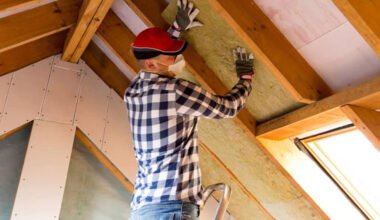
The concept of energy efficiency is evolving toward net-zero buildings—structures designed to produce as much energy as they use over a year. Achieving net-zero involves passive solar orientation, airtight building envelopes, high-performance glazing, and advanced insulation. Innovative HVAC systems, LED lighting, and automated controls further reduce energy demand. These features increase comfort for occupants and lower utility bills for owners, making buildings more resilient to future energy price fluctuations.
Adaptive Reuse and Renovation
Adaptive reuse transforms existing structures instead of demolishing outdated buildings to serve new purposes. This process conserves embodied energy, reduces construction waste, and maintains the unique character of local neighborhoods. Upgrading buildings with modern energy systems and innovative technologies enhances functionality and efficiency, enabling properties to meet current codes and sustainability standards while preserving their historical or cultural significance.
Biophilic Design
Biophilic design leverages the inherent human connection to nature, directly integrating natural light, ventilation, water features, and greenery into architectural spaces. Techniques such as installing green roofs and living walls and using raw, sensory materials have measurable benefits: improved occupant well-being, increased productivity, and reduced stress levels. Organizations adopting these principles are seeing positive returns on investment through healthy, appealing environments.
Eco-Brutalism
Emerging from the architectural landscape, eco-brutalism marries the minimalist, raw brutalism style with eco-friendly strategies. Hallmarks include exposed concrete combined with living green walls, green roofs, and embedded natural spaces. While concrete’s environmental impact is significant, pairing it with vertical gardens and innovative water management systems helps offset emissions and introduces biodiversity to urban environments.
Renewable Energy Integration
Renewable energy integration is crucial for future-ready buildings. Incorporating solar panels, geothermal systems, and wind turbines directly into building designs provides substantial long-term savings and energy independence. Building-integrated photovoltaics (BIPV) allow surfaces like windows and roofs to double as power generators, blending aesthetics with function. As technologies become more affordable and efficient, integrating renewables is now a best practice for developers invested in cutting-edge sustainability.
Carbon-Negative Building Materials
Reducing construction’s carbon footprint requires neutral and carbon-negative materials. Advances in biotechnology have produced options like algae-based bricks and hempcrete, both of which absorb CO2 during production and use. These innovative products hold great promise in reversing the construction sector’s historically high emissions, setting a new precedent for environmental stewardship in building projects.
Conclusion
Modern sustainable building goes far beyond simple energy savings—it addresses the well-being of occupants, the preservation of resources, and active contributions to climate solutions. Industry professionals can create resilient, stylish, and responsible built environments by staying informed about the most impactful trends and technologies. For additional insight and ongoing developments in sustainable architecture, resources like Architectural Digest provide inspiration and guidance for the road ahead.