Have you ever felt like getting older now comes with a performance review? Social media feeds celebrate marathon runners in their sixties and executives who claim to thrive on five hours of sleep. In cities like Lexington, Kentucky, where wellness culture blends with professional ambition, aging has become something to manage, optimize, and even compete with. The pressure to stay sharp, fit, and camera ready can feel constant. Yet biology does not check Instagram before doing its work. Cells slow down. Collagen production decreases. Energy shifts in subtle ways.
The science of healthy aging does not promise eternal youth. It offers something more realistic and far more powerful. In this blog, we will share how science, lifestyle, and thoughtful care can work together to support strength, confidence, and vitality at every stage of life.
Understanding What Aging Really Means
Aging is not mysterious – it is gradual change in the body over time. Skin thins, muscles lose mass, and joints may stiffen. Cells divide more slowly, collagen declines, and hormones shift. These changes are normal, not signs of failure. Performance culture often treats aging like a flaw and promotes quick fixes. In reality, lasting health comes from steady habits.
Strength training preserves muscle. Balanced nutrition supports repair. Quality sleep restores the body. Simple habits may not look exciting, but they work.
The Rise of Preventive Aesthetic Medicine
Looking good and feeling good have become closely linked in modern culture. Video calls and high resolution cameras make every detail visible. Wrinkles once noticed only in mirrors now appear on screens all day.
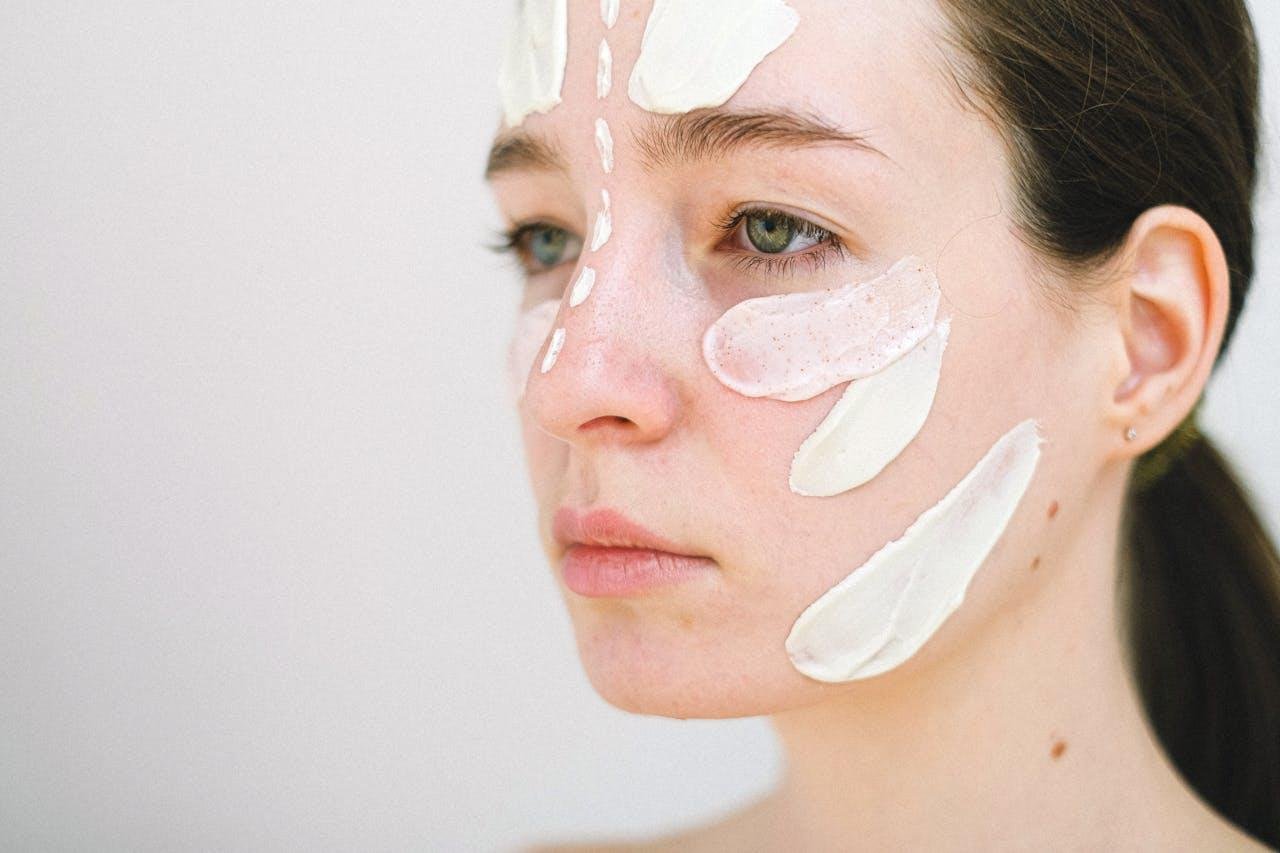
Preventive aesthetic care has grown alongside this shift. Treatments that support collagen production or smooth expression lines are no longer seen as dramatic measures. They are viewed as maintenance.
If you’re looking for a reputable med spa Lexington offers some options, but only opt for providers who deliver medically guided treatments, personalized plans, and clinically proven skincare rather than trend driven shortcuts. Expertise matters. Training matters. Safety matters.
The goal is not to erase every line. It is to maintain skin health over time. Subtle improvements often create the most natural results. Confidence tends to rise when people feel aligned with how they look.
Fitness as a Foundation for Longevity
Physical strength has become a visible symbol of discipline and vitality. Fitness trackers count steps, monitor heart rate, and analyze sleep patterns. Gyms now offer classes tailored to teens, adults, and seniors alike. This cultural focus on movement reflects a growing awareness that the body needs regular use to stay resilient.
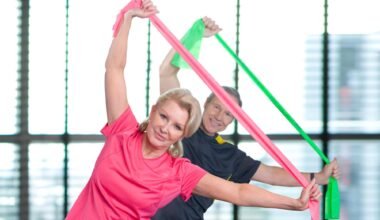
Scientific research consistently supports this idea. Weight-bearing exercises help maintain bone density as the years pass. Resistance training slows muscle loss that naturally occurs with age. Cardiovascular activity strengthens the heart and improves circulation.
Healthy aging depends more on function than appearance. The ability to carry groceries, rise from a chair easily, or climb stairs without pain shapes daily independence. Balance exercises reduce the risk of falls, which remain a serious concern for older adults. Flexibility supports joint health and smoother movement.
While performance culture sometimes encourages extreme challenges, more is not always better. Overtraining can strain joints and delay recovery. Sustainable routines provide steadier progress. Consistency, not intensity, proves most effective for building strength that lasts.
Nutrition and Cellular Repair
Food choices influence aging at a cellular level. Antioxidants help combat oxidative stress. Protein supports muscle maintenance. Healthy fats contribute to brain function.
Highly processed diets can increase inflammation. Chronic inflammation accelerates aging. This connection explains why nutrition trends attract so much attention.
Simple principles work best. Whole foods provide steady energy. Hydration supports skin elasticity. Moderation reduces strain on organs. These basics may lack drama, yet they form the backbone of long term vitality.
The body responds to patterns, not occasional perfection. Daily choices accumulate. Small improvements create measurable change over time.
Mental Resilience in a High Pressure World
Aging is not purely physical. Mental health plays a major role. Stress hormones affect sleep and immune function. Chronic stress accelerates visible aging.
Performance culture often glorifies busyness. Constant productivity becomes a badge of success. Yet burnout carries real consequences.
Mindfulness practices have gained popularity for good reason. Deep breathing lowers cortisol levels. Social connection supports emotional stability. Purpose and engagement protect cognitive health.
Healthy aging includes protecting the mind. Intellectual curiosity keeps neural pathways active. Learning new skills strengthens brain resilience. Emotional well being influences physical outcomes more than many realize.
Technology and the Illusion of Control
Wearable devices and health apps promise control over aging. Data can motivate positive habits. Step counts and sleep scores provide feedback.
However, numbers can also create anxiety. Chasing perfect metrics may increase stress. Ironically, stress undermines the very health goals people seek.
Technology should serve as a guide, not a judge. Trends come and go. The fundamentals remain stable. Balanced nutrition, regular movement, restorative sleep, and thoughtful care build lasting strength.
Healthy aging thrives on sustainability. Extreme regimens rarely endure. Measured strategies create real progress.
Redefining Success Across the Lifespan
Performance culture often equates youth with peak value. This narrative ignores experience and resilience. Many individuals report greater confidence and clarity with age.
Scientific research supports this perspective. Emotional regulation tends to improve over time. Perspective deepens. Relationships strengthen.
Healthy aging shifts focus from appearance alone to overall capability. Energy for meaningful activities becomes the true measure of success. Physical independence provides dignity. Mental sharpness supports contribution.
The goal is not to compete with younger versions of oneself. It is to evolve with strength and intention.
Healthy aging in a performance driven culture requires discernment. Not every trend deserves attention. Not every promise delivers results. Science favors steady habits over dramatic overhauls.
Strength, nutrition, preventive care, and emotional balance work together. They create resilience against stress and time. The body responds to consistency. The mind benefits from compassion.
The big takeaway is simple: aging is not a problem to solve. It is a process to support. Focus on habits that build strength and confidence. Choose professional guidance when exploring aesthetic or wellness treatments. Value progress over perfection. In a culture obsessed with performance, sustainable health becomes the most powerful achievement of all.