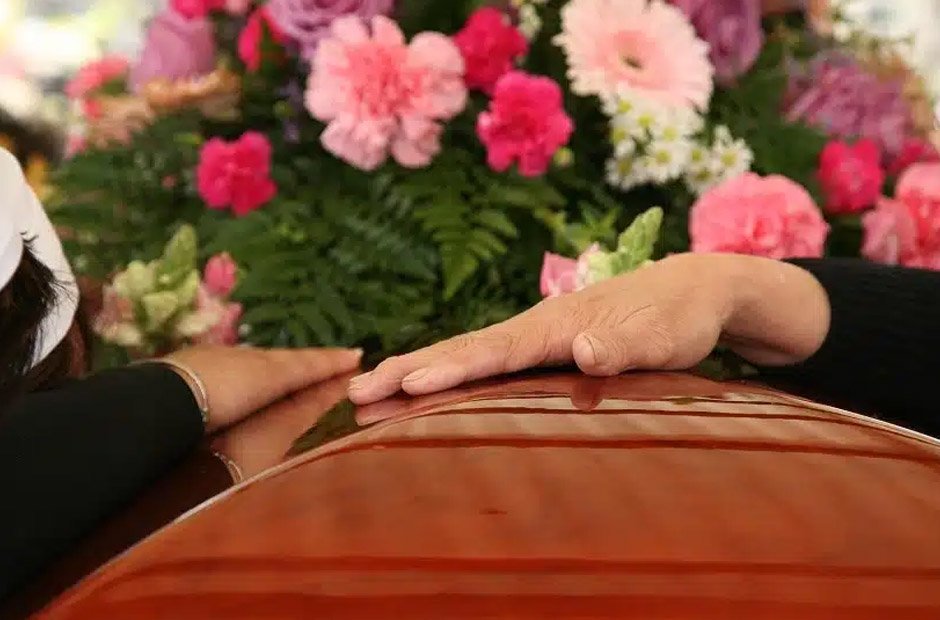
Loss isolates. In those first hours and days after someone dies, grief can feel like a solitary experience, even when surrounded by others who share the pain. Yet something unexpected happens during memorial gatherings when certain elements come together. The walls between mourners dissolve, strangers find common ground, and isolation transforms into profound connection. These moments don’t happen by accident.
The Power of Shared Experience
Funerals serve a dual purpose: honoring the deceased and supporting the living. The second function often gets overlooked, yet it may be more critical. When people gather after a loss, they arrive carrying their own grief, memories, and uncertainty about how to express feelings. The structure and content of the service either facilitates connection or leaves them sitting silently in separate pain.
Consider what happens when a memorial service includes interactive elements. Instead of attendees passively listening to speakers, imagine a gathering where everyone can contribute a memory, write a message, or participate in a symbolic gesture. This shift from observation to participation changes the dynamic. People who arrived as isolated individuals become part of a collective experience. That’s why funerals are evolving.
Breaking Down Barriers Through Storytelling
One of the most powerful connective elements in modern funeral services is structured storytelling beyond traditional eulogies. When funeral services Melbourne create space for multiple voices and unexpected narratives, something remarkable occurs. The deceased becomes more three-dimensional, and mourners discover unexpected connections.
A cousin shares a childhood memory that sparks recognition in an old schoolmate. A colleague tells a work story revealing a side the family never saw. A neighbor describes a small kindness that had lasting impact. Each story adds another facet to collective understanding, and in recognizing these aspects, mourners find points of connection with each other.
The magic isn’t in the stories themselves but in the recognition they create. Someone nods when a particular quirk gets mentioned. Others laugh at familiar patterns. These moments of shared recognition build bridges between people who might otherwise remain strangers.
Visual Displays That Invite Exploration
Photo boards, memory tables, and visual displays serve purposes beyond decoration. They create conversation starters and gathering points where people naturally congregate. These displays allow mourners to move at their own pace, linger over images that resonate, and engage with others drawn to the same moments.
Someone points at a photo and asks about the story behind it. Another person identifies themselves in a group shot from decades past. These spontaneous interactions build connections between mourners who might have nothing else in common except their relationship to the deceased.
Displays that include objects beyond photos add another dimension. A table holding favorite books invites discussion. A collection of hobby materials sparks conversations about shared interests. These tangible items make the deceased feel present while giving mourners concrete topics for connection.
The Unexpected Gift of Authentic Gathering
When all these elements come together, something unexpected emerges. A room full of people who arrived feeling isolated discovers they’re part of a community. The service becomes more than a farewell. It becomes a moment of profound human connection, a reminder that even in loss, we don’t face sorrow alone.
These connective experiences don’t erase grief or make loss easier to bear. Instead, they provide something equally valuable: the knowledge that others understand, that memories are shared and preserved, and that the impact of one life created relationships that continue after death. In transforming sorrow into connection, memorial services fulfill their highest purpose, supporting the living as they navigate forward.