You’re mid-shift, a pallet is loaded and ready to move, and the bottom falls out of the Gaylord box. Product everywhere, a forklift’s blocked, and now half your crew is dealing with cleanup instead of actually working. It feels like bad luck, but it usually isn’t. Nine times out of ten, the box was wrong for the job before it ever hit the floor. Getting this purchase right the first time is one of the easiest ways to avoid a headache that nobody has time for.
So What Actually Is a Gaylord Box?
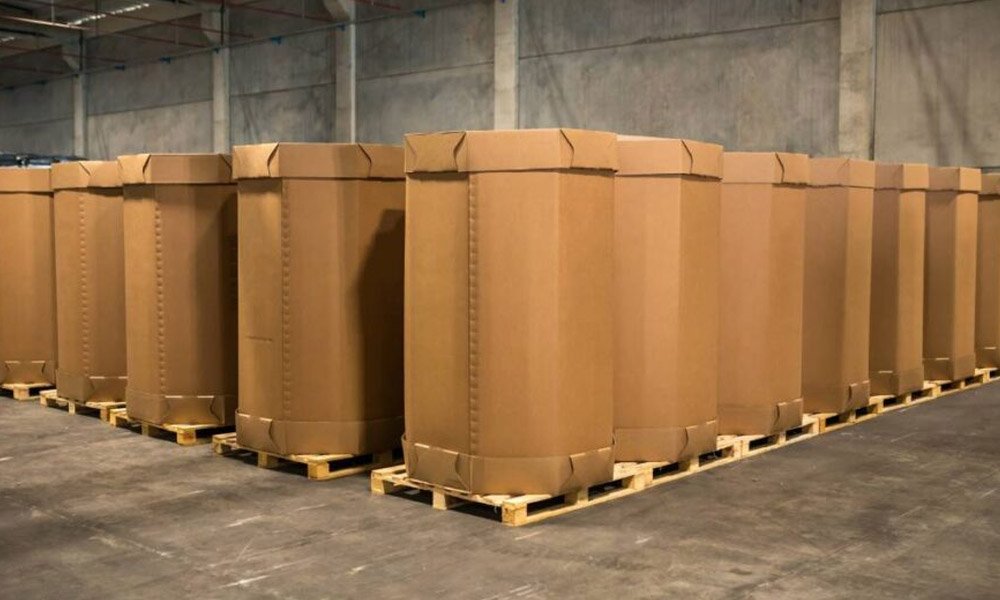
A Gaylord box is a large corrugated container built to sit on a standard pallet, and it shows up in just about every industry you can think of, from auto parts and hardware to produce, pet food, and recycled materials. Most are triple-wall corrugated construction, which means three layers of fluted cardboard sandwiched between liners. When the build quality is there, they hold up remarkably well. When it isn’t, well, you already know how that story ends.
The 3 Specs That Make or Break a Gaylord Box
Edge Crush Test (ECT) rating is how much force the corrugated board can take before it buckles. Higher ECT means better performance under stacking pressure. For heavy or dense materials, you want boxes rated at 44 ECT or higher. Don’t skip this one.
Moisture resistance is where most Gaylord boxes fail in practice. Standard corrugated gets soft fast when humidity or condensation is involved. If your facility runs cold, if you’re storing produce, or if product moves through temperature swings, you need a box with moisture-resistant treatment. In cold chain applications, this is not optional.
Flap thickness and corner construction matter more than most buyers give them credit for. A well-built Gaylord will have reinforced corners and full overlapping flaps at the base. If you see corner gaps or thin coverage, that box is going to fail under load.
Matching the Right Gaylord Box to What You’re Shipping
This is honestly where most purchasing decisions go wrong. Someone finds Gaylord boxes for sale at an attractive price and assumes they’ll work fine, but that’s not always the case.
Dry, granular materials like seeds, pellets, or sand are the most forgiving. A standard triple-wall box with a solid ECT rating handles them without issue. Wet or semi-liquid materials, think fresh produce, meat trim, or wet recycled fiber, need moisture-resistant construction and an interior liner.
Heavy, dense materials such as metal parts or aggregates need to be checked against the box’s actual weight rating, and you need to account for the stacking height before assuming the structure will hold.
New vs. Used Gaylord Boxes: Being Honest About the Tradeoff
Used Gaylord boxes for sale make a lot of sense in the right situation. Recycling operations, single-use dry material storage, and applications where boxes won’t be stacked more than one high are all solid candidates. The savings are real, and the performance is often identical to new.
Where new boxes genuinely earn their price tag: food contact applications, pharmaceutical returns, anything touching FDA or USDA requirements, and operations where stacking four boxes high is routine. In those cases, you need documented specs and confidence that the box hasn’t been weakened by a previous load.
5 Questions to Ask Before You Buy Gaylord Boxes From Any Supplier
Run through these before placing an order, regardless of whether you’re buying new or used.
- What is the ECT or burst strength rating on this box?
- Is moisture resistance built in, or is it an add-on?
- What is the rated load capacity, and does that apply to single-use or multi-trip applications?
- What pallet dimensions does this box assume? Will it fit my current pallets?
- What is the return or exchange policy if boxes show up damaged?
A supplier who knows their product answers all of these without pause.
Buy the Right Gaylord Box, and You Won’t Think About It Again
Chasing the lowest price on bulk containers is tempting, especially when you’re buying in volume. But a box failure mid-shift costs more than the difference between a cheap box and the correct one. Product damage, labor, downtime, and occasionally a safety incident add up fast.
Get the spec right first, then find the best price on that spec. Container Exchanger is a North American buy-and-sell marketplace where businesses source new and used Gaylord boxes, compare options side by side, and move surplus inventory they no longer need. Whether you’re buying a truckload or selling off excess stock, it takes the guesswork out of the process and puts more money back where it belongs.