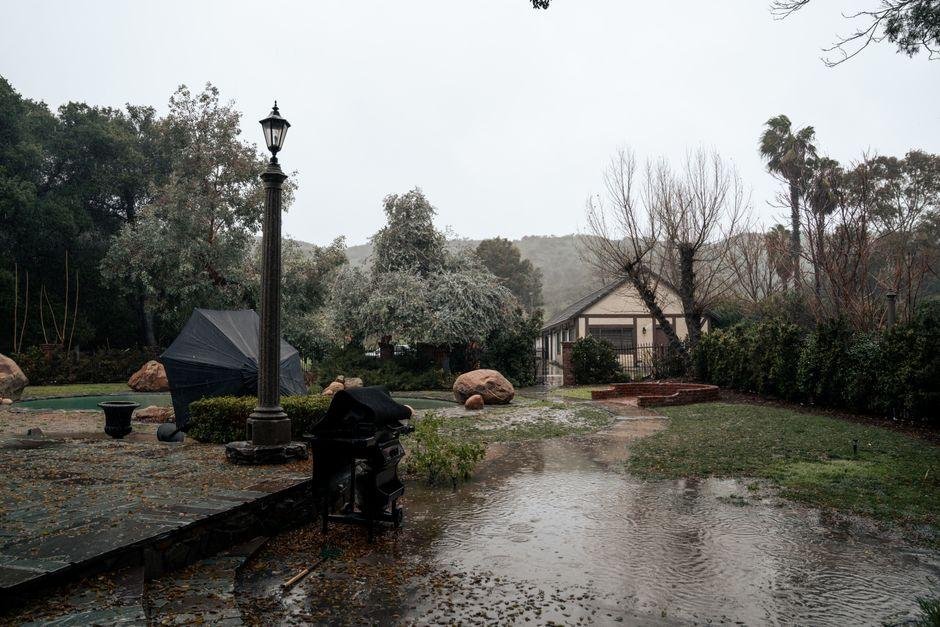
A yard that stays soggy after rain is telling you more than a few puddles need attention. Water collecting around a home can damage landscaping, undermine paths, affect foundations, and make outdoor spaces difficult to use. Drainage is part of the property’s water-management system, not simply a cosmetic concern. Understanding where water comes from and why it stops is the first step toward a lasting solution.
The visible problem may not reveal the source
Homeowners usually notice the symptom first: muddy ground beside a patio, standing water near a fence, or mulch washing across a driveway. The cause may be elsewhere. Roof runoff, compacted soil, poor grading, blocked drains, and short downspouts can direct water toward the same low spot.
Observe the yard during and after rainfall. Note where water enters, gathers, how long it remains, and whether it moves toward the house. Repeated pooling near a foundation deserves attention. One puddle does not establish structural trouble, but recurring saturation can signal poor water direction or retention.
Trace the flow instead of treating only the wettest patch. Check gutters, downspouts, paved areas, garden edging, and neighboring slopes.
The right drainage solution depends on the whole site
No single product fixes every wet yard. Regrading can guide surface water away from vulnerable areas when there is a suitable place for it to flow. Swales provide a shallow route for runoff. Catch basins and channel drains collect surface water, while French drains may intercept subsurface water and carry it toward an appropriate outlet.
Downspout extensions can move roof runoff farther from the building, provided the discharge point is suitable. Rain gardens may capture and filter runoff where soil, groundwater, and available space make them appropriate.
Professional yard drainage solutions can help address persistent water problems through an approach suited to the property’s layout, soil, and runoff patterns.
Design must account for rainfall, slope, soil, buildings, paving, and discharge options. A system should not shift water problems onto neighboring properties or public areas.
Soil conditions determine how quickly water moves
Sandy soil generally allows water to pass through more readily than dense clay. Clay holds moisture and may drain slowly, particularly when compacted. Foot traffic, construction equipment, and repeated vehicle use can compress soil and reduce the spaces through which water moves.
A simple infiltration check offers an initial clue. Dig a small test hole away from underground utilities, fill it with water, and observe how quickly it drains. Results vary with rainfall, soil layers, and hole size, so this is not a professional assessment. For planting areas, this guide to checking soil drainage explains why soil conditions matter before choosing plants.
The remedy depends on the cause. A swale may redirect surface flow, while compacted soil may need another approach. Installing a drain without understanding the soil can leave the problem unchanged.
Excess water can affect more than the lawn
Persistent moisture can weaken turf, damage plant roots, wash away mulch, and destabilize paving. Roots need both water and oxygen; soil that remains saturated can limit oxygen availability and stress plants. Repeated runoff can also carry soil away, exposing roots and leaving uneven areas.
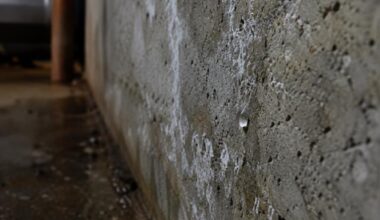
Water collecting beside a building deserves particular attention. Depending on the construction and site conditions, prolonged moisture may contribute to damp crawl spaces, basement seepage, deterioration of materials, or movement around paths and slabs. Watch for musty smells, recurring dampness, peeling finishes, or new cracks, and seek a qualified inspection when these appear.
Standing water can attract mosquitoes, make outdoor spaces unpleasant, and signal a broader drainage failure.
Why quick DIY fixes can create bigger problems
Adding topsoil to a low spot or decorative stone over wet ground may improve appearance temporarily without changing the water’s route. Poorly planned trenches can collect water, while an incorrectly sloped pipe may fail to drain.
Pipe depth, capacity, filter fabric, aggregate, inlet placement, and outlet location all influence performance. Regrading can redirect runoff toward a house or neighboring lot. Before digging, identify buried utilities and check local discharge requirements. If water is near the foundation, slopes are steep, or the source is unclear, seek a qualified professional. Before choosing a contractor, ask for an explanation of the water source, the proposed route, and where collected runoff will go. Request a written scope showing materials, grading changes, maintenance needs, and permissions required. A design should explain not only how water enters the system, but how it exits safely during storms.
Property features change the amount of runoff
A drainage plan must consider more than the lawn. Roofs, driveways, patios, pools, retaining walls, and detached structures affect how much water reaches the ground and how quickly it travels. Fences and raised beds can interrupt flow, while compacted lawns absorb less rainfall.
View the property as one system. A downspout may send water toward paving, which directs it into a low garden bed. Fixing only the bed may move the puddle elsewhere. Trace each source to a safe discharge or absorption area.
Better drainage makes outdoor space more usable
When excess water is managed properly, lawns recover, planting beds hold their shape, and paths and patios stay less muddy. Landscaping can follow sunlight and plant needs instead of avoiding soggy areas.
Drainage improvements may reduce erosion and protect hardscape foundations. The goal is not to send every drop away as quickly as possible. Good design slows, filters, stores, or redirects runoff to suit site conditions.
Act before recurring moisture causes visible damage
Do not wait for washed-out mulch, musty smells, damaged turf, or water entering the home. Record where water gathers after rain, photograph recurring spots, and note seasonal changes.
If saturation recurs near the house or affects foundations, retaining walls, or electrical equipment, seek professional advice. The goal is to understand the property’s water flow and correct the cause before a manageable issue becomes a costly repair.