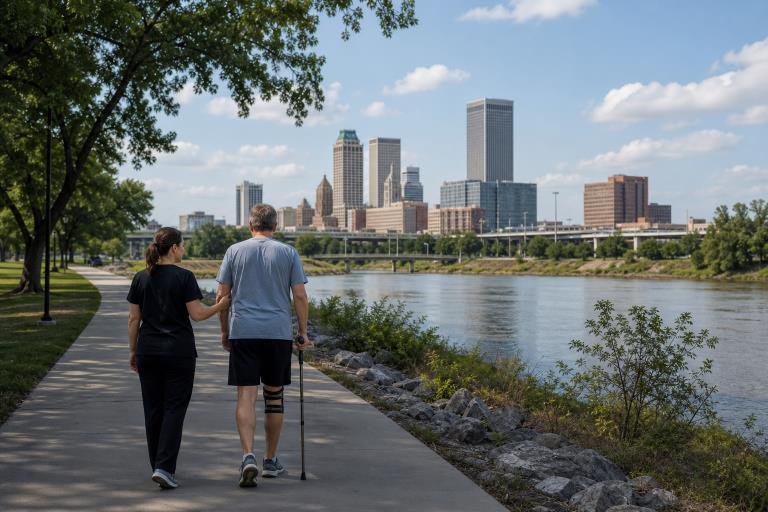
Recovering from an orthopaedic injury takes more than waiting for pain to ease. Whether you want to walk comfortably along the Arkansas River, get through a physically demanding shift, or return to a favorite Tulsa-area sport, a structured plan can help you rebuild movement with less guesswork. Working with physical therapy sports medicine near me can give you individualized guidance when an injury, surgery, or recurring pain makes it difficult to know what to do next.
A useful recovery plan is gradual, practical, and based on the demands of your actual life. It should account for more than discomfort alone, including strength, balance, mobility, coordination, endurance, and confidence. The aim is not to rush back to every activity at once. It is to make steady progress while respecting your body’s healing process and any instructions from your orthopaedic provider.
Why Recovery Needs a Plan
Pain relief is only one part of recovery. A knee may feel better before it is ready for repeated stairs, a shoulder may move farther before it can safely lift overhead, and an ankle may tolerate level ground before it is ready for uneven surfaces. Returning too quickly can lead to irritation, compensating with other body parts, or loss of confidence in movement.
A plan turns a vague goal, such as “get back to normal,” into specific steps. For example, a person recovering from a leg injury may first practice standing from a chair, then walking around the house, then handling grocery shopping, and later progressing to longer walks or recreational activity. Each stage builds on the one before it.
Start With a Clear Baseline
Before adding new exercises, take an honest look at your current ability. This is not about diagnosing yourself. It is about identifying what is difficult now so you can notice meaningful improvement later.
- Rate pain or discomfort and note when it tends to appear.
- Observe how far the joint moves during ordinary tasks.
- Notice walking speed, balance, stair use, or the need for a handrail.
- List home, work, or recreational tasks that are limited.
- Record what helps symptoms settle, such as changing position or taking a break.
Keep the notes simple. A short phone note or paper checklist can reveal trends that are easy to miss when recovery feels slow from one day to the next.
Set Simple Recovery Goals
Strong goals are specific enough to measure and flexible enough to adjust. National activity guidelines can be useful for long-term health, but recovery activity should begin at a level that fits your condition and professional guidance. The recommended mix of aerobic and muscle-strengthening activity may become relevant later, once you are ready for broader fitness goals.
- Choose one daily task to improve, such as getting in and out of a car.
- Set a short-term movement target, such as completing a prescribed exercise with controlled form.
- Pick a weekly habit, such as doing home exercises on four planned days.
- Review the plan with a qualified professional if symptoms, restrictions, or goals change.
Useful goals might include walking for 10 comfortable minutes, carrying a light bag with better posture, standing from a chair without using both hands, or completing part of a work task with less difficulty.
Build the Right Movement Routine
Recovery exercises should match the injury, stage of healing, surgery status, overall health, and activities you need to resume. A balanced routine may include several elements.
- Mobility:Gentle movement that supports a useful range of motion.
- Strength:Gradual resistance to prepare muscles for everyday demands.
- Balance:Controlled drills that support steadier walking and position changes.
- Coordination:Practice that improves timing and body awareness.
- Functional training:Movements that resemble lifting, climbing, reaching, walking, or sport-specific tasks.
Progress should usually come in small steps. Adding more repetitions, more resistance, more distance, or more speed all at once can make it harder to tell what your body tolerates. Controlled movement and consistency often matter more than pushing hard on a single day.
Make Home Exercises Work
Home practice often connects clinic progress to real-world movement. Make the routine easy to follow by keeping instructions clear and attaching exercises to an existing habit, such as after brushing your teeth, during a television break, or before preparing dinner.
- Use a checklist, calendar, or phone reminder.
- Keep equipment in a visible, convenient place.
- Record completed sessions instead of relying on memory.
- Ask for clarification if you are unsure about the form.
- Report exercises that consistently cause excessive pain or swelling.
Track Progress Without Guessing
Do not judge recovery by pain alone. Track practical markers once or twice per week, since sleep, stress, workload, and activity levels can affect how you feel on any given day. Consider minutes walked, repetitions completed with good form, stair tolerance, confidence during movement, and how quickly symptoms settle after activity.
These details help you recognize improvement that might otherwise feel invisible. They also give your care team useful information when a program needs to be progressed, simplified, or changed.
Return to Work, Sports, and Daily Life
Feeling better does not always mean you are prepared for full duty, competitive sports, heavy lifting, or high-speed movement. Build back with easier versions of the activity first. Increase only one major variable at a time, such as duration, distance, load, or speed, and allow recovery between harder sessions.
For athletes and highly active adults, a rehabilitation program is commonly recommended before returning to the activity that caused an injury. The National Institute of Arthritis and Musculoskeletal and Skin Diseases notes that rehabilitation before resuming sport or activity may include exercise and other therapies. Task-specific testing can be particularly valuable before returning to pivoting sports, contact sports, or physically demanding work.
Know When to Slow Down
Contact a health professional when pain keeps worsening, swelling increases, a joint feels unstable, or new numbness, weakness, or loss of motion develops. Changes that interfere with sleep, normal walking, or basic daily tasks also deserve attention. Sudden severe pain, a visible deformity, inability to bear weight after an injury, chest pain, or severe shortness of breath may require prompt medical care.
Common Recovery Questions
How Long Does Recovery Take?
Timelines vary widely based on the injury, treatment, surgery, health history, job demands, and goals. Focus on functional milestones rather than comparing your recovery with someone else’s.
Should Exercise Hurt?
Some effort and mild muscle fatigue can be expected, but sharp, worsening, or lingering symptoms may indicate that the activity needs adjustment. Ask your care team what level of discomfort is appropriate for your condition.
Is Rest Always Best?
Rest can be important after injury, but prolonged inactivity may reduce strength and confidence. The right balance of protection and movement depends on the diagnosis and your provider’s instructions.
What If the Plan Feels Too Difficult?
Speak up early. A plan can often be modified by reducing volume, changing the exercise, breaking sessions into shorter blocks, or connecting movements more closely to daily tasks.
Conclusion
A successful orthopaedic recovery plan for Tulsa residents should fit real routines, real responsibilities, and real goals. Start with a clear baseline, build gradually, track what improves, and respond to warning signs instead of trying to push through them. Small, consistent steps can help restore the strength, movement, and confidence needed for everyday life.