Key Takeaways
- Rodent prevention works best as a repeating home-maintenance routine, not a one-time project.
- Closing entry points, protecting food, managing moisture, and reducing clutter address the conditions rodents look for.
- Seasonal checks can reveal damaged screens, loose door sweeps, leaks, and outdoor hiding places before they become larger concerns.
- Signs of activity should be documented, cleaned carefully, and followed by repairs that address the likely cause.
A rodent-resistant home does not need to be perfect. It needs a practical routine that makes food, water, shelter, and entry harder to find. Whether you own, rent, or manage a property, simple habits can make a meaningful difference. Planning ahead is particularly useful when keeping mice and rats out this winter becomes a priority.
Why a Year-Round Routine Works Better
Rodent activity is not limited to one season. Shifts in weather, available food, standing water, nearby construction, and changes in household storage can all affect where rodents travel and nest. A whole-home approach is more reliable than focusing on a single crack or room. Think of prevention as integrated pest management: inspect the property, remove attractants, block access, monitor for signs, and use targeted measures only when necessary.
Start With a Home Entry Audit
Set aside time to inspect both the exterior and interior of the property. Start low at the foundation, then work upward toward rooflines and attic areas. Mice can enter through very small openings, so gaps around pipes, wiring, ducts, and utility lines deserve close attention. The CDC outlines common places to inspect when you look for gaps and holes in and around your home, including cabinets, vents, crawl spaces, doors, windows, and roof edges.
Areas to Check
- Foundation joints, siding, exterior walls, and basement windows
- Door thresholds, garage-door edges, and worn weather stripping
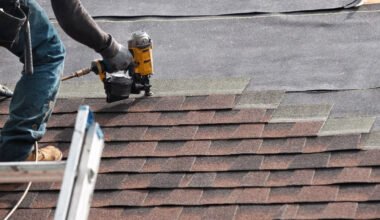
- Roof edges, soffits, attic vents, and damaged screens
- Openings around plumbing, electrical lines, cable, and HVAC equipment
- Crawl-space entrances, floor drains, and utility-room penetrations
Use Materials That Hold Up
Temporary patches can fail when they are exposed to weather, moisture, or chewing. For repairs, use materials suited to the size and location of the opening, such as durable metal mesh, hardware cloth, flashing, sound screens, and correctly applied sealant. Follow product directions, avoid blocking drains or required ventilation, and consider local building requirements when repairing larger openings.
When repeated activity, inaccessible areas, or damaged building materials make the job more complicated, professional rodent control in Brunswick County can help property owners assess likely entry routes and next steps.
Make Food and Trash Less Accessible
Food residue and accessible storage can turn kitchens, pantries, garages, and porches into reliable feeding areas. Focus on habits that are easy to maintain every day rather than relying on occasional deep cleaning.
Simple Kitchen Habits
- Store dry goods, pet food, and bird seed in containers with tight-fitting lids.
- Clean crumbs, spills, grease, and food scraps soon after meals.
- Wash dishes and wipe counters before leaving the kitchen overnight.
- Use indoor and outdoor trash containers with secure lids.
- Check behind appliances and beneath cabinets for overlooked food debris.
Outdoor Food Sources to Review
- Spilled seed beneath bird feeders
- Open compost, unsecured animal feed, and pet food left outdoors
- Overripe fruit that has fallen from trees
- Grease and food waste around grills and outdoor cooking spaces
Control Water and Moisture
Water management supports rodent prevention and routine home care. Check for dripping faucets, leaking supply lines, slow drains, and damp areas in basements, garages, crawl spaces, and utility rooms. After heavy rain, confirm that gutters and downspouts direct water away from the foundation. When practical, put pet food and water away overnight rather than leaving them available in quiet areas of the home.
Reduce Hiding Places Around the Property
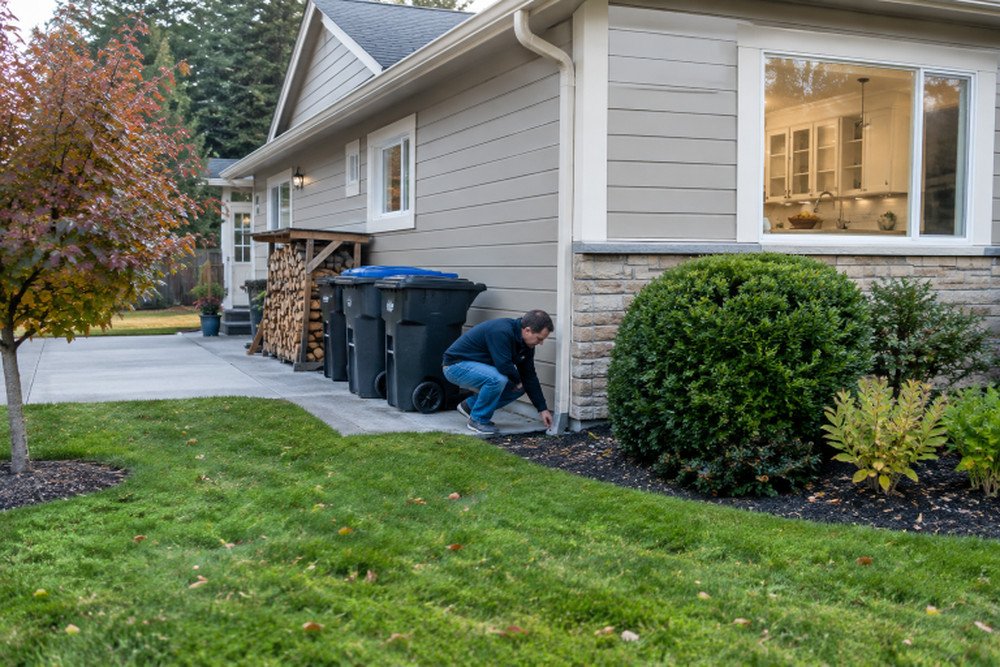
Clutter makes inspection harder and can provide sheltered travel routes or nesting areas. Keep firewood raised and away from exterior walls, remove leaf piles and unused materials, and store seasonal belongings in sealed bins on shelves instead of directly on the floor. Trim vegetation that touches siding, rooflines, or vents. Durable exterior details, clearances, screens, and moisture control are all part of efforts to reduce pest intrusion around a home.
Build a Seasonal Maintenance Calendar
Spring
- Inspect for winter storm damage, loose screens, and worn door sweeps.
- Clear leaves and debris from gutters and the foundation area.
Summer
- Manage outdoor trash, grilling residue, fallen fruit, and bird-feeder spillover.
- Trim plants near walls, sheds, rooflines, and vents.
Fall
- Complete an exterior inspection before colder weather arrives.
- Move stored materials and firewood away from the home.
- Seal gaps around doors, vents, pipes, and utility lines.
Winter
- Check attics, garages, basements, and storage areas for activity.
- Listen for scratching or movement in walls and ceilings, especially after dark.
- Review food storage and inspect quiet, warm spaces for nesting material.
Learn the Early Signs of Rodent Activity
Look for droppings near food, walls, cabinets, or stored belongings; chewed packaging, wires, insulation, or wood; shredded paper or fabric; grease marks along travel paths; unusual odors; and signs that pets are focused on a wall or cabinet. One sign does not always show the size of the issue. Note the date, room, and type of evidence so you can identify patterns and determine whether repairs are working.
Clean Rodent Evidence Safely
- Keep children and pets away from the affected area.
- Ventilate the space when possible and wear disposable gloves.
- Apply an appropriate disinfectant according to its label before handling droppings or nesting material.
- Avoid sweeping or vacuuming dry droppings.
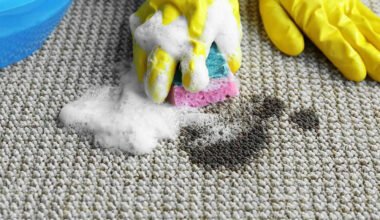
- Bag contaminated disposable materials carefully, then wash hands and clean reusable tools.
Large amounts of contamination, activity inside walls or crawl spaces, and uncertainty about safe cleanup are good reasons to contact a qualified professional or local health authority.
Choose Prevention Before Quick Fixes
Traps, repellents, and baits may address a visible problem, but they do not automatically solve the conditions that allowed activity in the first place. Begin by finding likely entry points, removing accessible food and water, reducing nesting cover, and monitoring the property after repairs. If any treatment product is used, follow its label carefully and keep it away from children and pets.
When to Ask for Help
Seek assistance when activity continues after cleaning and exclusion work, rodents appear to be in ceilings, walls, attics, or crawl spaces, wiring or insulation is damaged, sightings occur repeatedly during daylight, or droppings and nesting material appear in several rooms. Extra caution is also sensible when a household member has a health concern that makes exposure more worrisome.
Make Prevention a Normal Home Habit
Effective rodent prevention is built from repeatable basics: inspect, seal, store, clean, clear, and monitor. A short seasonal walk-around, better food storage, prompt leak repairs, and less outdoor clutter can make the home less inviting without requiring a major renovation. Keep the routine simple enough to repeat and flexible enough to adapt as the seasons change.