A surprising number of expensive outdoor repairs begin with homeowners trying to “save money” in the moment. They patch over soft deck boards for one more season. Ignore the slight slope pulling rainwater toward the patio. Leave an aging fence leaning because it still technically stands. The problem is that outdoor spaces rarely fail all at once. Moisture sneaks underneath surfaces quietly. Sun exposure weakens one material faster than another. Soil shifts so gradually nobody notices until hardscape lines start drifting out of place years later. By the time visible damage finally shows up, the original issue has usually been affecting several connected areas already.
Outdoor renovations feel different now compared to older upgrade trends. Homeowners are thinking less like decorators and much more like long-term planners. They want patios that survive six brutal summers without constant refinishing. Drainage systems that quietly prevent future headaches. Materials that age evenly instead of becoming patchwork repair projects every few years.
Early Garage Door Repairs
Garage doors are weirdly easy to ignore because homeowners interact with them constantly while paying almost no attention to their condition until something fully stops working. A shaky movement gets dismissed as “old house behavior.” Slower opening speeds become background noise. Metal strain during cold mornings feels temporary. Meanwhile, the entire system keeps pulling harder against itself every day.
Misalignment slowly damages weather seals. Moisture creeps inward through gaps nobody notices immediately. Vibrations affect mounting points attached directly to the framing. Once exterior trim starts absorbing repeated stress, the problem spreads beyond the door itself. By tackling the issues on time, the average cost of repair can potentially be lessened. Timely repairs protect the entire exterior entry system from slowly unraveling around one ignored issue. Handling problems early can help keep the garage door repair average cost from becoming higher.
Weather-Resistant Decking
Some decks age like outdoor furniture left behind after a storm. Boards twist unpredictably. Surface color changes in random patches. Railings loosen slightly every season. Tiny cracks collect moisture until entire sections start feeling soft underfoot. Homeowners often spend years trapped inside an endless cycle of sanding, staining, sealing, patching, and replacing scattered boards because the original materials simply were not designed for long-term exposure patterns.
Weather-resistant decking shifted outdoor renovation priorities because people got tired of rebuilding relaxation spaces repeatedly. Modern decking decisions focus heavily on how surfaces react after thousands of hot afternoons, freezing nights, soaked winters, and heavy foot traffic instead of how polished everything looks during installation week. Stable materials save money partly because they reduce interruptions. Fewer emergency repairs before gatherings. Fewer warped sections after storms. Fewer weekends sacrificed to maintenance projects that never seem fully finished.
Grading Adjustments
Poor grading creates some of the most frustrating outdoor problems because the damage moves invisibly underneath everything first. Water rarely attacks the exact spot homeowners expect. Instead, it slowly changes soil pressure, weakens support underneath pathways, shifts mulch beds downhill, and turns certain corners of the property into permanent moisture traps long before standing water becomes obvious.
What makes grading adjustments so valuable is how quietly they stabilize everything surrounding them afterward. Proper slope direction helps patios dry faster, prevents repeated soil erosion near foundations, reduces stress on retaining walls, and protects hardscape alignment through changing seasons. Homeowners often waste years repairing symptoms individually without realizing the yard itself keeps pushing water toward vulnerable areas repeatedly.
Durable Walkway Materials
Walkways reveal cheap materials faster than almost any other outdoor feature because they absorb concentrated wear every single day. Tiny surface fractures widen under repeated temperature shifts. Edges loosen where water settles overnight. Low-quality pavers shift unevenly once the underlying soil expands and contracts enough times. Homeowners usually notice the cosmetic damage first, yet the bigger issue is how failing pathways start disrupting drainage and stability nearby, too.
Durable walkway materials save money because they age predictably instead of constantly surprising homeowners with new repair needs. Stronger surfaces stay level longer, resist edge breakdown better, and maintain cleaner drainage patterns around surrounding landscaping. A properly built walkway protects the surrounding outdoor layout from becoming unstable little by little every season.
Landscaping Decisions
A lot of outdoor maintenance costs actually grow from landscaping choices people originally made for appearance alone. Fast-growing shade trees eventually block drainage paths. Dense decorative shrubs trap moisture beside siding year-round. Certain root systems quietly lift pavers underneath patios without anybody noticing until surfaces start separating unevenly. Some yards become expensive not because they are damaged but because the landscaping keeps putting pressure on nearby structures constantly.
Modern outdoor planning treats landscaping much more strategically now. Homeowners think about airflow, root behavior, shade movement, water absorption, and seasonal debris patterns before planting anything large near structures. Smart landscaping can actually reduce future maintenance dramatically. Trees placed carefully help preserve deck surfaces from harsh sun exposure. Ground coverage slows erosion naturally. Better spacing improves airflow around fences and siding after rainstorms.
Preventive Fence Repairs
Fences almost encourage procrastination because they usually fail slowly instead of dramatically. One post leans slightly after heavy rain. A bottom board softens from moisture exposure. Hinges start dragging against the gate frame during humid months. Since the structure still technically stands, homeowners often push repairs further down the priority list year after year.
The expensive part comes later once deterioration spreads through connected sections. One unstable post changes tension across neighboring panels. Moisture trapped near damaged wood begins to affect the surrounding boards faster. Wind pressure hits weakened areas unevenly during storms. Small preventive repairs stop that chain reaction before entire fence lines need replacement all at once.
Strategic Tree Placement
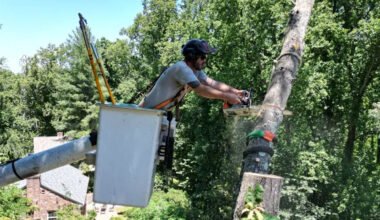
Tree placement changed completely once homeowners started paying attention to long-term surface wear instead of immediate curb appeal only. A tree planted too close to the driveway may slowly crack the concrete underneath years later. Heavy shade near the roofing creates persistent moisture zones. Dense branches hanging above patios trap debris and speed up staining across outdoor surfaces constantly.
Strategic placement works differently because the tree becomes part of the property’s protection system instead of future maintenance pressure. Proper shade positioning can slow fading on siding, reduce heat stress on decking materials, and help preserve outdoor furniture much longer during harsh summers. Thoughtful placement even affects soil stability because root systems help hold certain erosion-prone areas together naturally.
Outdoor renovation decisions are increasingly centered around slowing future deterioration instead of reacting after expensive damage finally appears. Early repairs and protection all help properties age more predictably across changing seasons.