Choosing a new water heater is easier when it happens before a cold shower, a leak, or a complete breakdown forces a rushed decision. For homeowners considering water heater replacement in Vernal UT, the best option depends on household demand, available utility connections, installation space, and the cost of operating the system over time.
In Vernal, a water heater works hard through changing seasons, busy mornings, laundry days, and visits from family. A replacement is not simply a matter of selecting the biggest tank or the newest technology. It is a chance to choose a system that fits the home, provides reliable hot water, and is easy to maintain without unnecessary complications.
Why the Choice Matters
A water heater affects daily comfort, available floor space, monthly energy use, and how well a household can handle simultaneous showers, appliance cycles, and other hot-water needs. The lowest purchase price is not always the lowest overall cost once installation, maintenance, and energy use are considered. Product requirements also evolve, so it is wise to review current consumer water heater standards before comparing models.
Signs It May Be Time for Replacement
Some water heater problems arrive without warning, but many units show clues before they fail. A household may notice that hot water runs out sooner, recovery takes longer, or utility costs rise without an obvious change in use. Popping, rumbling, or banging can indicate sediment in a storage tank. Rust-colored water, corrosion around fittings, and repeated repairs also deserve attention.
Not every leak means the tank has failed. A loose connection, drain valve, or pressure-relief valve may be repairable. Water leaking from the tank body itself, however, can indicate internal corrosion and often means replacement is the practical next step.
The Main Water Heater Types
Traditional Storage Tank Units
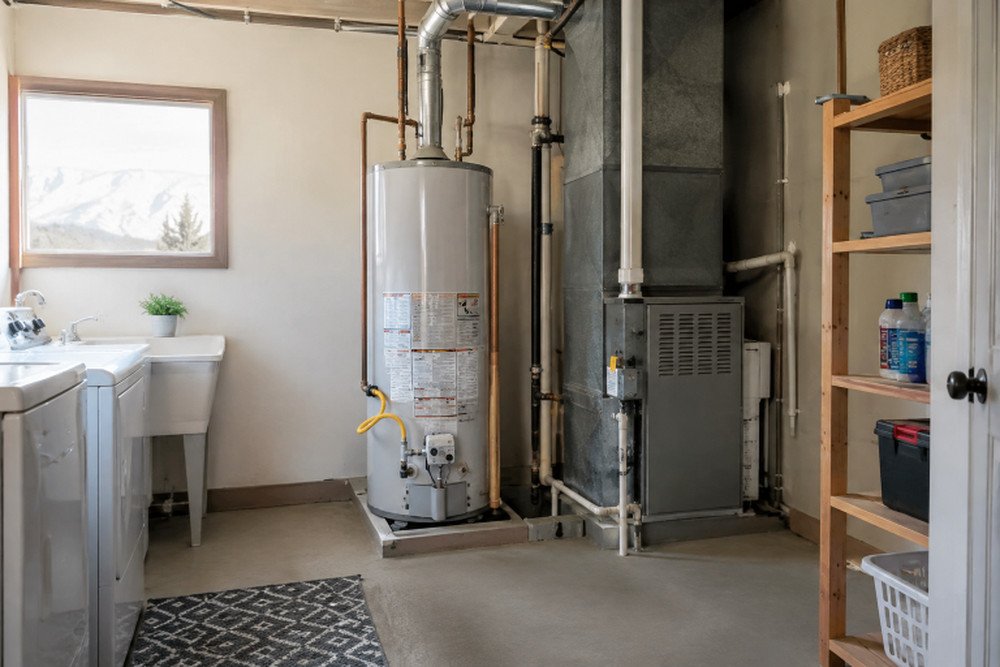
Storage water heaters heat and hold a set amount of water until a faucet or appliance calls for it. They remain a familiar choice because many homes are already configured for them, and a same-type replacement can be relatively straightforward. The tradeoff is that stored hot water is finite, and the system uses energy to maintain the tank temperature between draws.
Tankless Water Heaters
Tankless systems heat water as it passes through the unit rather than storing a large volume in a tank. When sized properly, they can provide hot water for extended use and free up floor space with a wall-mounted design. A switch to tankless may require changes to gas piping, electrical service, venting, or water lines. Mineral scale can also affect performance, making maintenance especially important where water conditions call for descaling.
Heat Pump Water Heaters
Heat pump water heaters use electricity to move heat from surrounding air into a storage tank. They need suitable air space, a condensate drain, and room for service access. They can also cool the nearby area while operating. The ENERGY STAR buying guidance for heat pump water heaters notes that installation location, air temperature, drainage, and household demand should all be considered before choosing this type of system.
Comparing Tank, Tankless, and Heat Pump Units
- Storage tank: Often a good fit for homeowners who want a familiar system, predictable installation, and a lower initial equipment cost. Its limits are stored capacity and standby heat loss.
- Tankless: Useful for homes with limited floor space or sustained hot-water needs. It can involve a higher installation cost and more extensive utility or venting work.
- Heat pump: A strong option for homeowners focused on reducing electric water-heating use when the home has an appropriate location. It generally needs more planning for space, drainage, and airflow.
How to Choose the Right Size
Start with the people who live in the home, and the times they use hot water at once. Consider showers, baths, dishwashers, washing machines, and guests. For a storage tank, compare the existing tank size and its first-hour rating, which estimates how much hot water it can deliver during a busy hour. For tankless equipment, compare the expected flow rate to the temperature rise required for the incoming cold water.
A unit that is too small can lead to interrupted showers and slow recovery. One that is unnecessarily large can increase equipment costs and may use more energy than the household needs. Future plans matter too, especially if a bathroom addition or a larger household is likely.
Energy Use and Long-Term Costs
A useful comparison looks beyond the price on the equipment label. Include the cost of installation, permits, removal and disposal of the old unit, and any required upgrades to plumbing, electrical wiring, gas lines, venting, or drainage. Then compare efficiency information, expected maintenance needs, warranty terms, and potential utility incentives. A higher-efficiency system may be more attractive for a household with steady hot-water demand than for a home with light and occasional use.
Installation and Compatibility Checks
Before settling on a model, review the site itself. Important details include available floor or wall space, doorway clearance for bringing equipment in and removing the old unit, electrical panel capacity, existing water and gas connections, vent routes, combustion air needs, and access to a suitable drain. The installation should also leave room for future inspections and service.
Changing fuel types or moving from a tank to tankless equipment is usually more involved than replacing one similar tank with another. Local permit and inspection requirements may apply, so they should be confirmed before work begins.
What Happens During Replacement
- The existing system, utility connections, household demand, and installation space are reviewed.
- The homeowner selects a suitable capacity, fuel type, efficiency level, and feature set.
- Water, gas, or electrical power is shut off safely before removal.
- The old unit is disconnected, drained, removed, and properly disposed of.
- The new equipment is installed, connected, secured, and vented or drained as required.
- The completed system is checked for leaks, proper controls, safe operation, and hot-water delivery.
Maintenance for Longer Service
Keep the area around the unit clear and periodically look for moisture, corrosion, odd sounds, or changes in water temperature. Follow the manufacturer’s instructions for flushing a tank, inspecting tankless equipment for scale, and cleaning heat pump filters. Save the model number, installation date, warranty details, and shutoff locations where they can be found quickly.
Common Homeowner Questions
Should a water heater be replaced before it fails?
Planning ahead can be worthwhile when a unit is aging, corroded, leaking, or in need of frequent repairs. It gives the homeowner time to compare options rather than accept whatever is available in an emergency.
Is tankless always better than a storage tank?
No. Tankless systems can be an excellent fit, but the right choice depends on demand, fuel availability, water quality, installation requirements, and budget.
How long does replacement take?
A straightforward same-type replacement may take only a day, while conversions, code updates, or utility upgrades may require more time. The scope of the individual home determines the schedule.
Final Takeaway
The best water heater for a Vernal home is the one that matches real hot-water habits, available space, local installation conditions, and long-term budget. Reviewing those details before the old unit fails can lead to a more dependable system and fewer surprises during replacement.